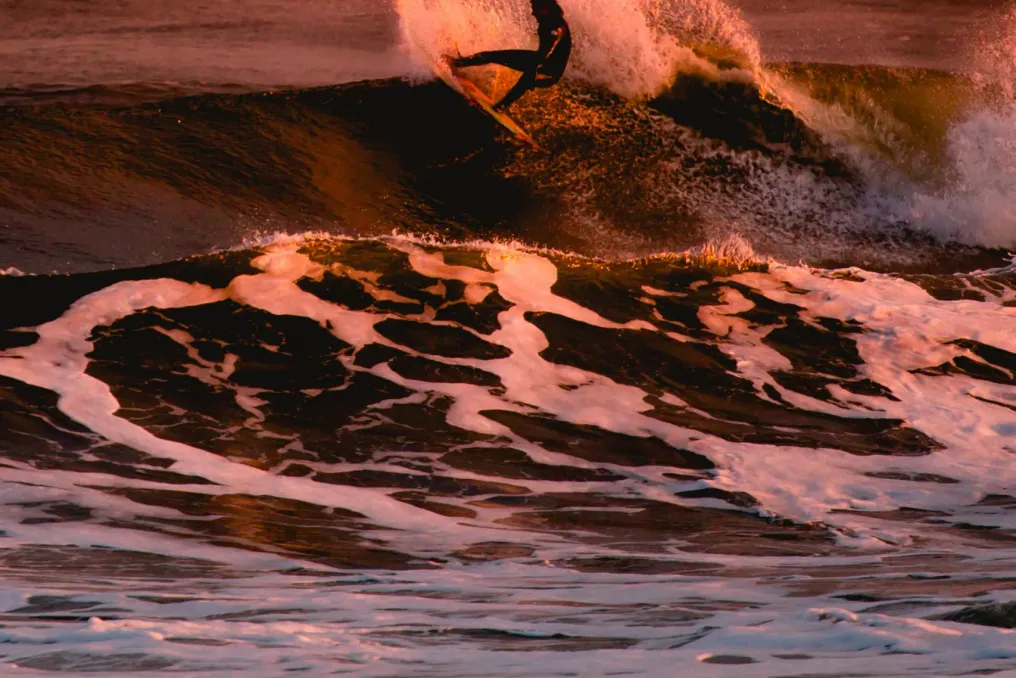
The coast of South Africa is ideal for a road trip, and surfers have many reasons to follow this route. The surfing towns offer diverse experiences depending on skill level, weather conditions, and the desired type of coastal relaxation. Here you can take your first lesson, visit cities with an established surf culture, or choose quieter spots where morning time in the water can be combined with hiking, seafood lunch, or beach relaxation. Thanks to the presence of both the Atlantic and Indian Oceans, conditions vary significantly across different regions.
For those planning a road trip specifically for surfing, there are several South African locations worth knowing about.
For beginners, Muizenberg is an obvious choice. Located on the False Bay coast, this area is known for its small, rolling waves, sandy bottom, and developed surf culture, offering several schools and equipment rental points. Although the town has become almost synonymous with surfing in Cape Town, Muizenberg offers more than just waves; its colorful Victorian bathing houses, promenade, cafes, and restaurants give it a relaxed seaside character, while the surrounding Cape Peninsula provides plenty of options to fill the rest of the day.
Due to its sheltered position in False Bay, conditions can change depending on wind and waves, but manageable waves for less experienced surfers are often found here. This beach also serves as a good introduction to the local Cape Town surf scene before moving to the more open parts of the peninsula.
Few South African surf towns have the reputation of Jeffreys Bay. Known to surfers as J-Bay, this town in the Eastern Cape boasts several sections along its coast, including the famous Supertubes, Bonjervis, Point, Kitchen Windows, and Magnantubes.
Supertubes is renowned for fast, long right-hand waves and powerful barrels, especially during winter storms. This is serious surfing, and conditions can be challenging, so experience is key. Other sections in the area provide varied conditions, making the town more than just a place for one wave. J-Bay's identity is closely tied to surfing: surf shops, board culture, and a constant flow of local and international surfers are part of daily life, and the beaches and laid-back atmosphere make it an easy addition to a trip through the Eastern Cape. For visitors not surfing, there are also many attractions here thanks to the long beaches, shops, restaurants, and access to the wider Sunshine Coast.
Not far from Jeffreys Bay is St Francis Bay, offering a different kind of coastal getaway. The town is known for its characteristic white houses, canals, and beaches, but it also has a long connection to surfing. The history of surfing in the area spans decades, as St Francis Bay featured in 'The Endless Summer'—an influential 1960s surf film that helped put several South African spots on the international surfing map. Today, the wider St Francis area remains a worthwhile stop for surfers, as Cape St Francis and other nearby beaches add variety to the coastline. It is also a place suitable for groups with diverse interests, as besides surfing, water sports, hiking, fishing, and beach activities are available. Instead of planning a trip solely around chasing waves, St Francis Bay allows for a slower coastal journey where time in the water is part of a broader Eastern Cape leisure experience.
Victoria Bay is one of those places easily missed when driving quickly along the Garden Route. This small bay is located between George and Wilderness and has long been associated with surfing, particularly its right point break. South African tourism includes Victoria Bay in the list of stops worth visiting on a Garden Route surf trip. Its compact location is part of its appeal: unlike extensive beach destinations, Victoria Bay feels like a small coastal enclave where surfing is close to accommodation and amenities. Its location on the Garden Route also simplifies including it in a longer trip, allowing one to combine a session in Victoria Bay with visits to Wilderness, Knysna, Plettenberg Bay, and other coastal towns, rather than making it a specialized surf vacation. Before heading out, it is advisable to check the conditions, especially because the nature of the point break changes depending on waves, wind, and tide.
Mossel Bay is another useful stop for surfers traveling along the Garden Route. Its coast stretches for kilometers, with several beaches and surf spots in the town and surrounding areas, and the town itself offers enough history and entertainment to keep non-surfers occupied. Diaz Beach is one of the local beaches used for surfing, and Santos Beach is located near the town center and convenient for visitors wishing to combine time in the water with access to restaurants, accommodation, and other attractions. The town's location is also practical for travel: moving from Cape Town, Mossel Bay can be the first major coastal stop before continuing towards Victoria Bay, Wilderness, and Plettenberg Bay. As in other parts of the Garden Route, conditions change, so surfers should check the forecast rather than assuming every beach will be suitable every day.
Plettenberg Bay is better known as a general coastal tourist destination rather than a specialized surf town, but this is what makes it useful for a group with diverse interests. The coastline around Plett includes several beaches, and the wider area offers hiking, nature reserves, marine activities, and restaurants. Thus, a trip can be structured around surfing without being dependent on waves throughout the holiday. South African tourism includes Plettenberg Bay in the list of surf stops on the Garden Route, and its proximity to other coastal destinations allows surfers to use the town as a base and move along the coast depending on conditions. Lowkut Beach and the wider coast are worth checking under suitable conditions, but Plett's main advantage for a coastal trip is the variety of activities available after getting out of the water.
For surfers who would prefer to swap a thick Cape wetsuit for the warmer waters of the Indian Ocean, Durban is an obvious stop. The city has a long beach stretching along the Golden Mile, with several beaches used by surfers. Addington Beach has historically been recommended as an option for beginners, while the wider beach offers varied conditions depending on the waves. Durban's appeal is not limited to surfing; the city combines its beaches with a large gastronomic scene, markets, cultural attractions, and nightlife, making it a natural choice for those for whom surfing is part of urban leisure. The coastline north and south of the city also opens up additional opportunities, so Durban can serve as both a base and a stop on a longer KwaZulu-Natal trip.
Wild Coast in Coffee Bay offers a completely different surfing experience compared to the established centers of Cape Town and Jeffreys Bay. The town is surrounded by hills, rural landscapes, and rugged coastline, and the slower pace and relative remoteness form a significant part of its appeal. Surfing is one of the activities visitors can engage in, with lessons available for beginners. Coffee Bay also serves as a good base for exploring the Wild Coast surroundings; the famous Hole in the Wall is accessible from this area, and hiking and coastal exploration can easily fill hours between surf sessions. There is less emphasis on arriving with a rigid plan, and more on spending several days by the ocean, checking conditions, and deciding on the next step.
Stilbaai is another quieter option for surfers traveling along the southern coast of the Cape. The town is located where the Gouk River meets the Indian Ocean and is primarily known as a relaxing resort destination, but it is also featured in South African surf itineraries. South African tourism includes Stilbaai in the list of West Cape stops worth considering on a Garden Route trip. Its appeal is partly due to its location: unlike the concentrated surf culture in Muizenberg or J-Bay, Stilbaai offers a combination of beaches, river recreational activities, fishing, and a small-town atmosphere. It is a useful choice if you want to structure a surf trip around several coastal towns rather than staying in one place, especially when traveling along the southern Cape.
One of the advantages of surfing in South Africa is the vast diversity of its coastline. The country stretches for thousands of kilometers and has both Atlantic and Indian shores, meaning surfers can find very different water temperatures, waves, and wave types depending on where they travel. The winter months in the Western Cape can bring larger swells, and South African tourism recommends the period from June to September for visitors seeking big waves. November to March is usually associated with a more beachy summer vibe. However, no single season guarantees good surfing everywhere; wind direction, waves, tide, and local geography influence conditions at individual spots. Therefore, it is crucial to check a reliable surf forecast before heading out.
Your skill level should also determine where you ride. Muizenberg and some beaches in Durban are often recommended for beginners, while powerful spots like Supertubes and Cape's big waves require significantly more experience. If you are a beginner surfer, it is wise to sign up for a lesson with an authoritative local school instead of trying to figure it out on your own. And if the conditions on a particular day exceed your abilities, there is always another way to enjoy the coast. Perhaps this is the greatest advantage of a road trip along the South African surf route. You don't have to spend every day in the water. Between beaches, hiking trails, wildlife, food, and small coastal towns, there are plenty of activities while waiting for the right wave.