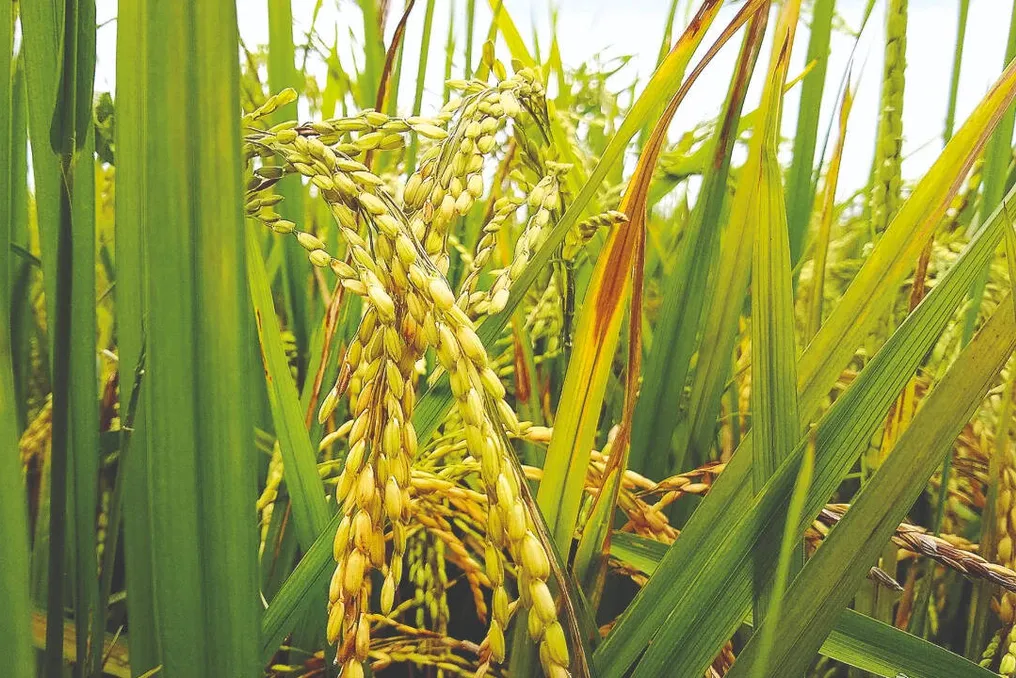
Area of Kharif Crops Exceeded Five-Year Average Despite Rainfall Deficit
Read more
The times of India
timesofindia.indiatimes.com

Area of Kharif Crops Exceeded Five-Year Average Despite Rainfall Deficit

Despite the lack of precipitation, the total area sown with summer (kharif) crops in the country decreased by only slightly more than 1% compared to last year. Although such a small drop was expected due to the deficit of monsoon rainfall this year, the sowing season nevertheless concluded with an area figure exceeding the 'normal' level, meaning the average over the last five years.

Although the excess over the 'normal' level was insignificant, it indicates changes in farmers' strategy, provided that warnings are received in advance.

Similar stories

HSBC strengthens engagement with affluent clients in India to drive growth
Read more
business-standard.com

HSBC strengthens engagement with affluent clients in India to drive growth

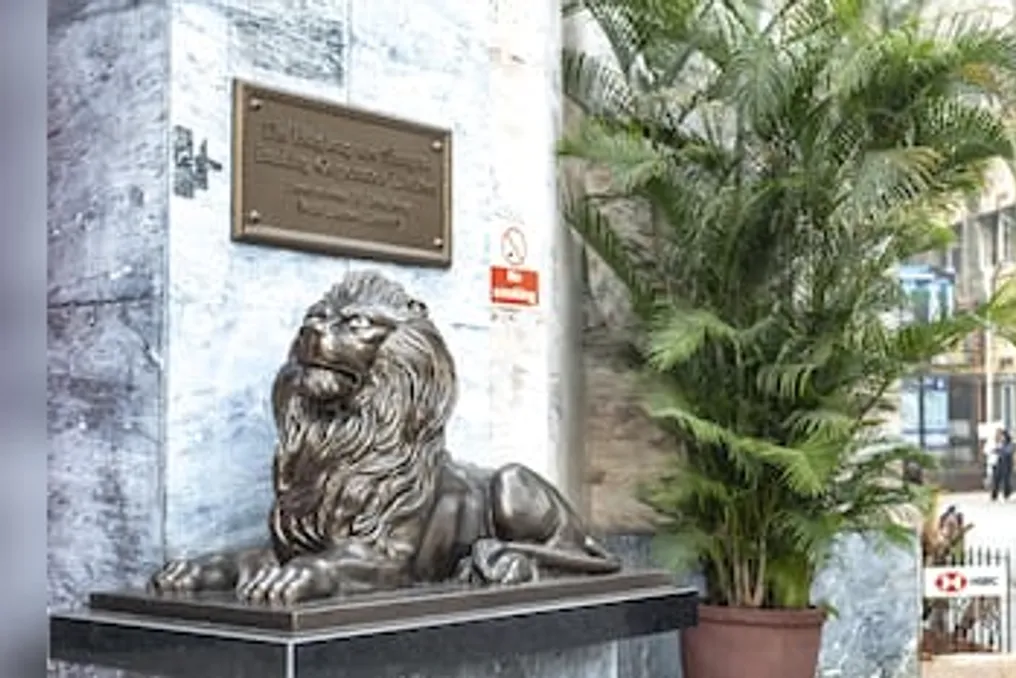
HSBC Holdings Plc is taking active steps to challenge the positions of private banks in India, anticipating that the growing pool of affluent clients and globally integrated citizens of the country will form the basis for its next phase of development. The bank is deepening its presence in smaller towns.

The London-based lender is focusing on three areas in one of the world's fastest-growing major economies: wealth management, transactional banking, and what HSBC India head Hitendra Dave calls 'globalness.' It uses its international network to serve clients whose affairs and assets span various borders.

Hitendra Dave, HSBC's head in India, stated in an interview that the bank's ambition is to become one of the top four or five private banks in India by 2030 regarding wealth management.

Competitive Landscape and Market Conditions

This growth strategy places HSBC in more direct competition with major local rivals such as ICICI Bank Ltd. and Kotak Mahindra Ltd. for a share of India's rapidly expanding wealth fund. Nevertheless, the market presents a complex environment as local banks scale up, and firms founded by senior bankers compete for clients and talent, which drives up compensation for client relationship managers.

HSBC, Standard Chartered Plc, and Barclays Plc form a relatively small group of foreign banks developing their wealth management divisions in India, despite some global lenders scaling back operations. For instance, Citigroup Inc. sold its consumer banking division in India to Axis Bank Ltd., and Kotak agreed to acquire Deutsche Bank AG's retail and investment divisions in India this year. Furthermore, foreign lenders face stricter branch opening restrictions compared to local competitors, hindering the establishment of nationwide networks.

Expansion Plans and Regional Focus

This push from the British lender comes against the backdrop of Group CEO George Elkhdery's announcement of plans to increase investment in India with heightened focus on affluent clients. The firm intends to expand its network to 46 branches in 34 Indian cities over the next two years, increasing the current number of branches from 34, allowing it to reach smaller settlements. New locations mentioned include Bhubaneswar in the east, Rajkot in the west, Jalandhar in the north, and Mysuru in the south.

Hitendra Dave emphasized that the bank is building a wealth franchise outside of India's megacities, pointing to the rise in wealthy individuals in smaller centers. HSBC's private banking typically targets clients with assets of at least $2 million USD. Dave described the next generation of Indian wealthy individuals as increasingly 'global,' as more Indians study and work abroad, establish international businesses, and invest worldwide. He noted that the bank can be particularly valuable to clients whose financial lives, businesses, and assets cross borders.

Results and Additional Tools

The company's expansion is already yielding results. HSBC recently became the largest lender to the extensive Indian diaspora under a special currency swap program, channeling $10.9 billion from GIFT City over three months. ICICI Bank ranked second with $8.4 billion. HSBC also utilizes premium credit cards and large mortgages to strengthen ties with affluent clients. Annual fees for premium cards can reach 110,000 rupees ($1,147), and the bank's mortgage portfolio has tripled over the last four years.

According to the bank, as of March 31, outstanding mortgages grew by 25% year-on-year, reaching 257 billion rupees, driven by a focus on larger loans for elite housing. Transactional banking is another pillar of the strategy: Dave reported that the lender assists companies in processing settlement payments, executing currency transfers, distributing dividends, and managing liquidity.

IRDAI proposes changes to motor vehicle insurance sales and commission structure
Read more
www.aajtak.in

IRDAI proposes changes to motor vehicle insurance sales and commission structure

The Insurance Regulatory and Development Authority of India (IRDAI) has signaled stringent changes to the sales and commission system for motor vehicle insurance, following its focus on health insurance. Currently, insurance is often purchased from the same dealer where the car or bike is bought when purchasing a new vehicle. This arrangement means customers do not have sufficient opportunity to compare policies and prices from different companies. IRDAI is working to change this entire process. If the regulator's new proposals are implemented, vehicle owners may gain more options and clear price information when buying insurance.

Issue of High Commission on Motor Insurance

IRDAI has expressed concern regarding the commission associated with motor insurance sales in its public consultation paper, 'Recalibrating Economics of Insurance Distribution'. According to the regulator, the commission in motor insurance can range from 13% to 50% under different circumstances, averaging around 24%. The regulator presented data concerning Original Equipment Manufacturer (OEM) brokers and Motor Insurance Service Providers (MISPs) related to the sale of new and used vehicles. In these channels, the average commission was reported to be around 24%, reaching up to 31% in some cases. During the financial year 25, approximately ₹29,000 crore in premiums were collected through these channels, with about ₹7,050 crore distributed as commission. IRDAI is questioning whether such a high commission cost is justified across all types of motor insurance products, including those of relatively simple nature.

Potential Changes for the Customer

A primary objective of IRDAI's proposal is to provide customers with more choices instead of relying on a single point. The insurance regulator has suggested making new and used vehicle insurance products available on digital platforms like Market Infrastructure Institutions (MII), potentially involving platforms such as Bima Sugam. Such platforms aim to give the customer direct access to various options; meaning, if the customer does not want to buy insurance through the dealer, other avenues will be available to them. IRDAI has also proposed that no more than 5% of the premium should be charged to recover costs on these non-profit digital platforms.

Dealers Will Have to Show Alternative Options

If these proposals are implemented, the role of vehicle dealers will also change. Dealers will be required to clearly display MII platforms and QR codes. The goal is to ensure that the customer knows they can purchase insurance through channels other than the dealer. Thus, when buying a new car or bike, the customer will not be limited to only the insurance offered by the dealer but will be able to make a decision after knowing about other available options.

Monitoring Insurance Purchase with Loans

IRDAI has also raised questions about insurance sales with banks and NBFCs providing vehicle loans. According to the regulator, approximately 16% commission was observed in cases where loans and insurance were bundled together. What is important for the customer here is that they must receive clear information while taking a loan about where and at what price the insurance is being taken out. The proposed changes aim to increase transparency in such arrangements.

Questions Raised on Used Vehicle Insurance

IRDAI has not only focused on the sale of new vehicles; it has also questioned the commission structure in used vehicle insurance. According to the insurance regulator, even though many dealers have their own service and repair facilities, MISPs receive an average commission of about 12% on used vehicle insurance. A balance between commission and actual service needs to be established in such cases as well.

Dealer Cannot Impede Cashless Repairs

Another significant aspect of the proposal for customers relates to cashless repairs. IRDAI has proposed that no dealer should refuse cashless repairs simply because the customer did not purchase the motor insurance from that specific dealer. This means that if the customer has taken a policy from another insurer and cashless repair facility is available under the policy, this facility cannot be denied merely on the basis of being separate from the policy-selling dealer.

Proposal to Restrict Incentives on Dealers

IRDAI has also expressed concern over agreements between Original Equipment Manufacturers (OEMs) and Insurance Distribution Entities (IDEs) that offer additional incentives or benefits based on policy sales. The proposal calls for a ban on such service level agreements and incentive schemes that might be detrimental to the policyholder. The insurance regulator argues that such provisions can affect the competition in options and prices available to the customer.

Proposal to Reduce Commission on Third-Party Insurance

Third-party cover is mandatory in motor insurance. IRDAI has proposed keeping very low commissions for mandatory third-party insurance and simple motor insurance products. That is, the regulator wants to reconsider high commission costs even for policies that do not require much advice or service to sell. The proposed commission structure will take into account factors such as the product, the distribution channel, and the effort involved in selling and servicing it.
Economic teams of China and the US reached positive agreement after consultations
Read more
cgtn.com

Economic teams of China and the US reached positive agreement after consultations

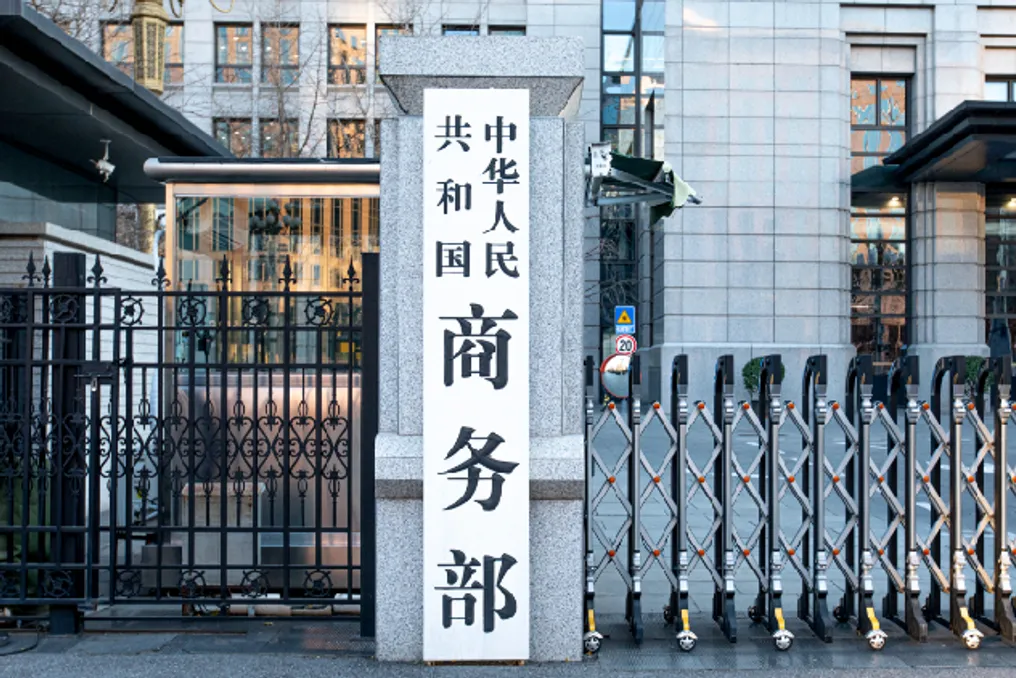
According to an official representative of the Department of American and Oceanic Affairs of the Ministry of Commerce, the economic and trade groups of China and the US reached a positive consensus. This consensus contributed to the meeting of the two heads of state.

The consultations between the teams took place from September 20 to 23 in New York and Washington, D.C.

Popular