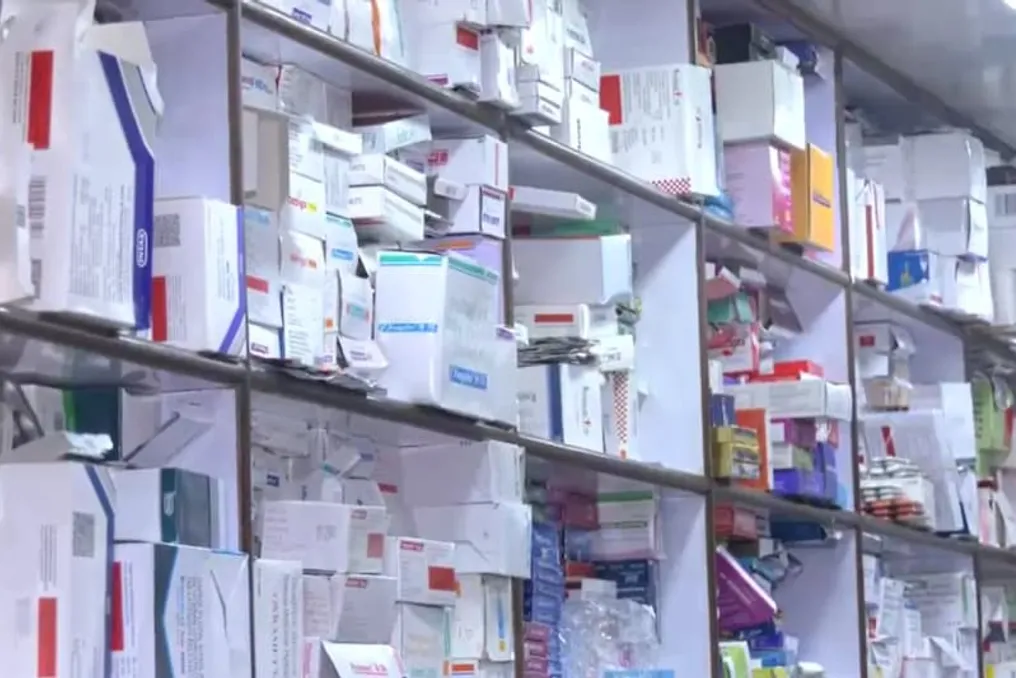
The publication AajTak conducted an investigation in Delhi's largest pharmaceutical market to examine the difference between the Maximum Retail Price (MRP) and the Purchase Price (PTR) of essential and anti-cancer drugs. In discussions with Ashish Grover, General Secretary of the Delhi Drug Traders Association, efforts were made to understand the reasons for such a substantial price disparity, the mechanisms behind its formation, and ways to protect patients' interests within this system.
It was discovered that prices for cancer-related drugs, especially life-saving medications, show a huge gap: a drug costing 2700 rupees is being sold for 27,000 rupees. AajTak compared the MRP listed on the packaging of essential medicines with the PTR received by retailers and, through conversations with traders, attempted to understand the reasons for the price differences and the difficulties patients face when purchasing medications.
Ashish Grover noted that the issue of drug pricing has existed for a long time and affects almost all types of medicines, not just cancer. He emphasized that MRP is often set very high for generics. According to Grover, as a trader, their margin is only 2–5 percent. The main problem arises at the retail level, where discounted pricing is applied, whereas wholesale sales do not provide such discounts.
Grover explained that the primary reason for this imbalance lies in the chain of intermediaries between the drug's price and its sale at MRP.
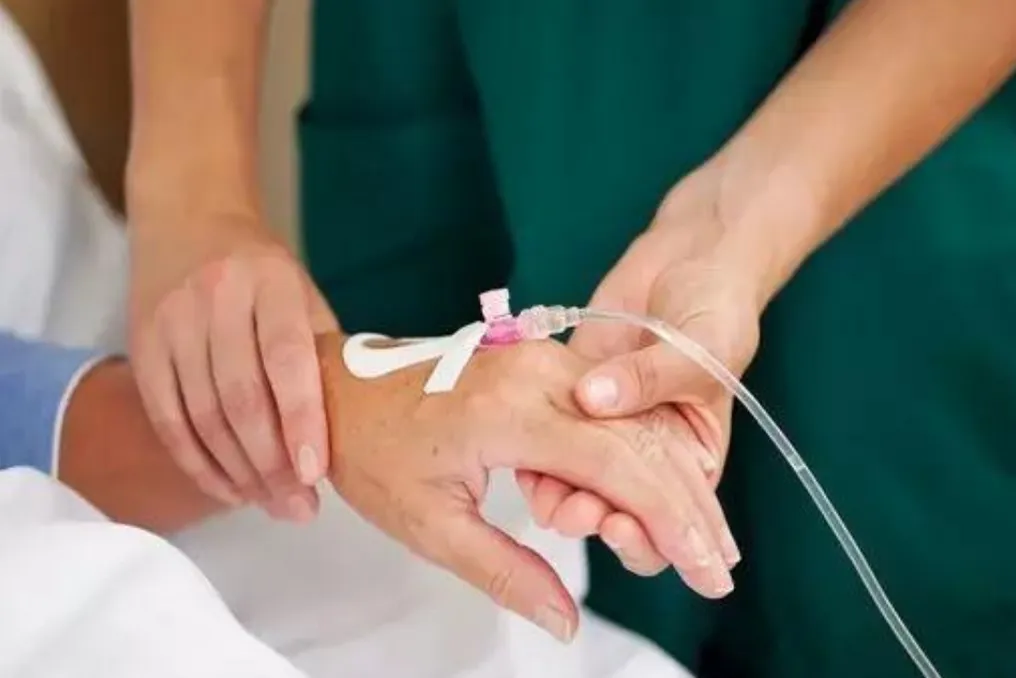
An interview was also conducted with patients and their caregivers at the Delhi Cancer Institute. Patients and their families shared their concerns regarding treatment costs, the expense of medications, and daily challenges. The cost of medicines remains a serious concern for families battling severe diseases like cancer.
AajTak tried to understand the issue raised locally during Supreme Court hearings. The court expressed concern over the vast difference between the high MRP and PTR of essential drugs, linking it to patient fraud and injustice to taxpayers.
The petitioner, Kishan Chand Jain, raised the issue of regulating drug prices according to the Drug Price Control Order 2013, as well as the issue of a large number of unregulated drugs. During the Public Interest Litigation (PIL) hearing, which demanded mandatory prescription of generics and price control on necessary and essential medicines, the court also inquired about the difficulties faced by ordinary people if necessary medicines are unavailable at Jan Aushadhi centers. The next hearing is scheduled for September 29.