A world-class geological museum will be established in the scenic areas of Bheraghat-Lamhetaghat in Jabalpur. The central government has approved the project, which is valued at 870 million rupees. This project will be implemented through the Madhya Pradesh Tourism Department within an area of about 12 hectares as part of the Swadesh Darshan 2.0 program.
The realization of this project is expected to give a new impetus to tourism development, as well as increase local employment and business opportunities. Minister of Public Works Rakesh Singh reviewed the presentation of the project documentation and geo-park design on January 18, 2024, at the ministry.
He instructed that the construction must comply with the natural environment, make the museum attractive and educational, and incorporate features of the Lamheta Formation, Rani Durgavati, and Jabalpur landscape. He also emphasized the importance of including nature-based tourism, 'Nature Stay' accommodation, and the participation of the local community in the project.
The proposed construction area in the project is about 5,745 square meters, with the goal of preserving 90 percent or more of the territory in its natural state. Buildings will be constructed while preserving the natural landscape and existing trees. Special attention will be paid to involving the local population in the sale of local products, handicrafts, food, and tourism services.
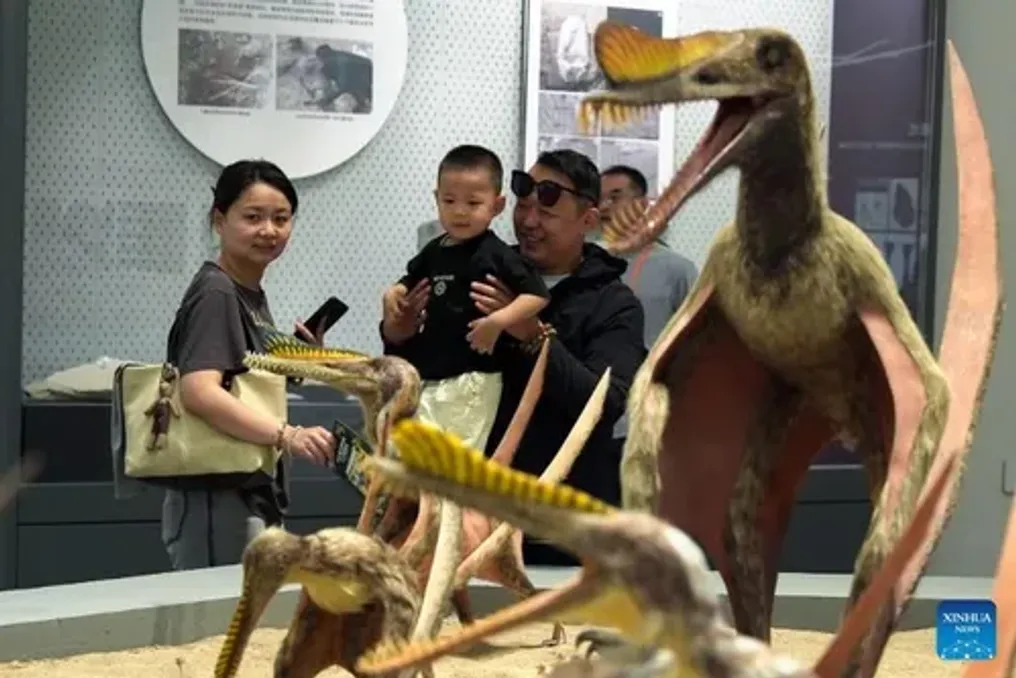
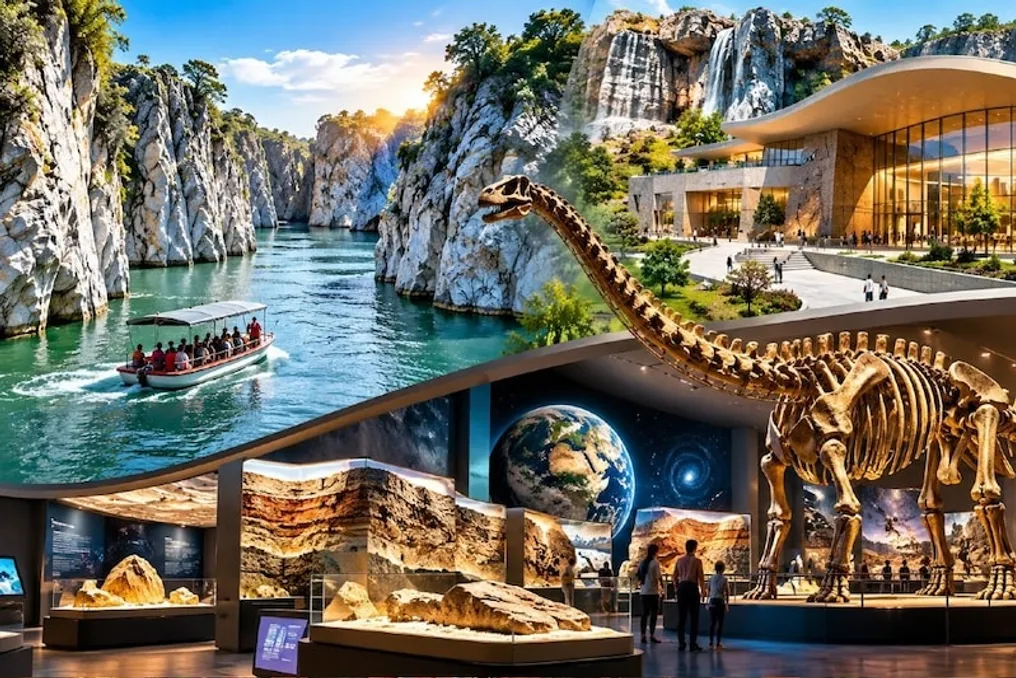
A world-class geological museum and interpretation center will be created under this project. It will feature six thematic galleries and over 130 exhibits. Additionally, facilities such as 3D modeling, interactive touch tables, digital panels, and an immersive theater will be developed. The complex is also planned to include a Titanosaur Square, a dinosaur park, a fossil garden, a geological maze, a rockarium, a treetop walking path, a glass floor, a natural trail, and an observation deck.
The complex will offer various amenities, from restaurants and food courts to museum shops, local goods retail areas, and glamping-based eco-resorts. Modern tourist facilities, such as parking and a ticketing system, will also be developed. The museum will provide diverse educational content for children, students, and geology researchers.
The Lamheta Formation is a distinctive geological feature of this region because it is where the first dinosaur fossil in India—Titanosaurus Indicus—was discovered. The museum will present Earth's history, as well as the multi-million-year geological history of Madhya Pradesh and the Narmada Valley, in a simple, engaging, and scientific manner. The geo-cultural characteristics of the 13 geographical zones of Madhya Pradesh will also be demonstrated using modern technology.
The project proposal includes submitting a dossier to potentially list Bheraghat-Lamhetaghat on the UNESCO World Heritage list in the category of natural heritage, as well as mentioning the possibility of becoming a UNESCO Global Geopark in the future.
The project envisages improving Jabalpur's connection to the international tourism network. According to the project plan, approximately 1.068 million tourists visited Bheraghat in 2025. It is expected that the number of visitors will increase after the implementation of this project, benefiting hotels, restaurants, transport, local artisans, guides, and other tourism activities.
Bheraghat is already a popular tourist destination due to its marble rocks, Dhundar waterfall, Narmada River, and Chausat Yogini Temple. The creation of the geopark will add elements of educational, scientific, and experiential tourism to the existing natural tourism.
The implementing agency for the project will be the Madhya Pradesh Tourism Department. The goal is to complete the project within 18 months, from September 2026 to February 2028. Approximately 12 hectares of land belonging to the Tourism Department have been allocated for the project.