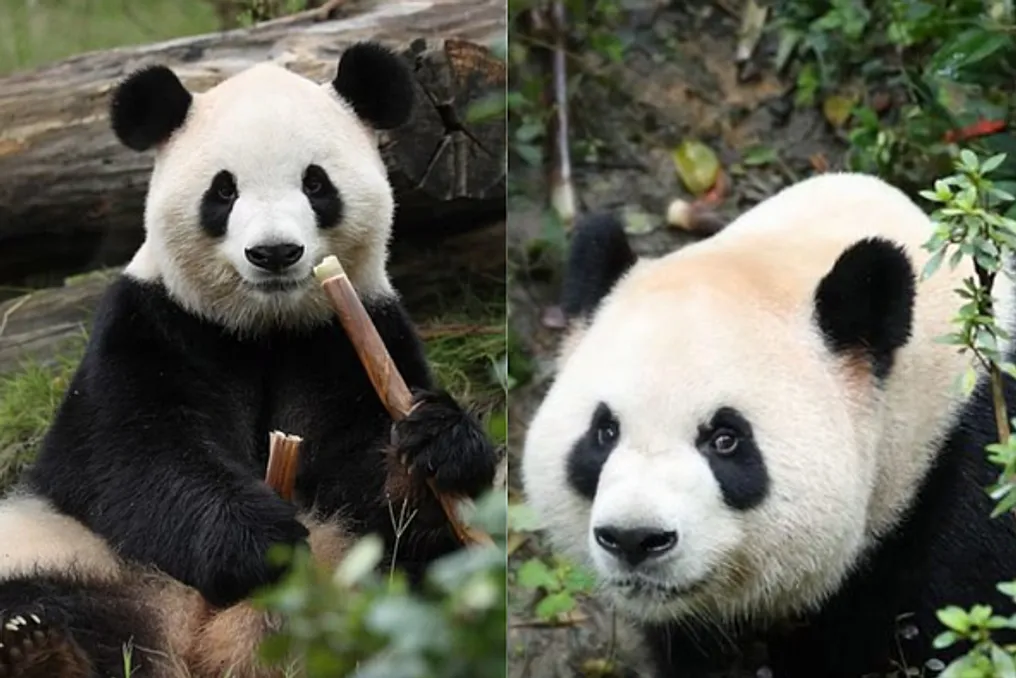
Two giant pandas, Pingping and Fu Shuang, arrive in the USA from China
Read more
Khaleej Times
www.khaleejtimes.com

Two giant pandas, Pingping and Fu Shuang, arrive in the USA from China

State media in Beijing reported that two giant pandas arrived in the United States from China on Sunday. This visit took place after a leaders' summit characterized by significant symbolism but few substantial breakthroughs.

Although the transfer of the pandas was agreed upon earlier, the departure was announced on Thursday during the visit of Chinese President Xi Jinping to Washington. These black and white mammals are immensely popular worldwide, and China provides them as part of its 'panda diplomacy' program to strengthen international ties.

According to the state news agency Xinhua, Pingping and Fu Shuang flew out of Shanghai Xiuliu International Airport in Chengdu on a charter flight around three in the morning (19:00 GMT on Saturday). After a 16-hour flight across the international date line, the bears landed in Atlanta, Georgia, shortly before 7 am local time (11:00 GMT on Sunday).

State Chinese media Global Times reported that steamed corn buns, bamboo shoots, and carrots were prepared to sustain the pandas during the flight. The Boeing 777 aircraft, operated by FedEx, was the most tracked aircraft on the FlightRadar24 aviation information platform as it approached Alaska, roughly midway through its journey.

The pandas will be housed at the Atlanta Zoo for the next ten years. Before their departure, a farewell ceremony was held for the pair, organized by the Giant Panda Breeding Research Base in Chengdu. Global Times also reported that the American side sent experienced keepers to accompany the pair on the flight.

In preparation for the arrival, the Atlanta Zoo renovated its panda enclosures and assembled a team of animal keepers. Furthermore, it ensured a stable and long-term supply of locally grown bamboo in Atlanta, where the climate is very similar to that of Chengdu. Previously, the Atlanta Zoo had leased pandas from China for a quarter of a century, starting in 1999, but there have been no such pandas since 2024.

Both pandas were born in 2020. Pingping, the male, is currently six years old, and Fu Shuang, the female, will turn six next month. Pandas in captivity typically live about 30 years.

Beijing has been sending these fluffy creatures around the world for decades as ambassadors of its diplomatic goodwill and soft power. In 1972, China gifted a pair of pandas to Washington following the historic visit of US President Richard Nixon to the communist country. It should also be noted that earlier this year, Beijing retrieved two of its pandas from Japan following a diplomatic disagreement that began when the Japanese Prime Minister hinted that Tokyo might intervene militarily in case of any attack on Taiwan.
Similar stories

China sends two giant pandas to Atlanta Zoo for conservation program
Read more
cgtn.com

China sends two giant pandas to Atlanta Zoo for conservation program

Giant pandas named Pingping and Fushuang left Chengdu in Sichuan province, China, early Sunday morning to travel to the United States. This move marks the beginning of a ten-year partnership between the two countries in species conservation.

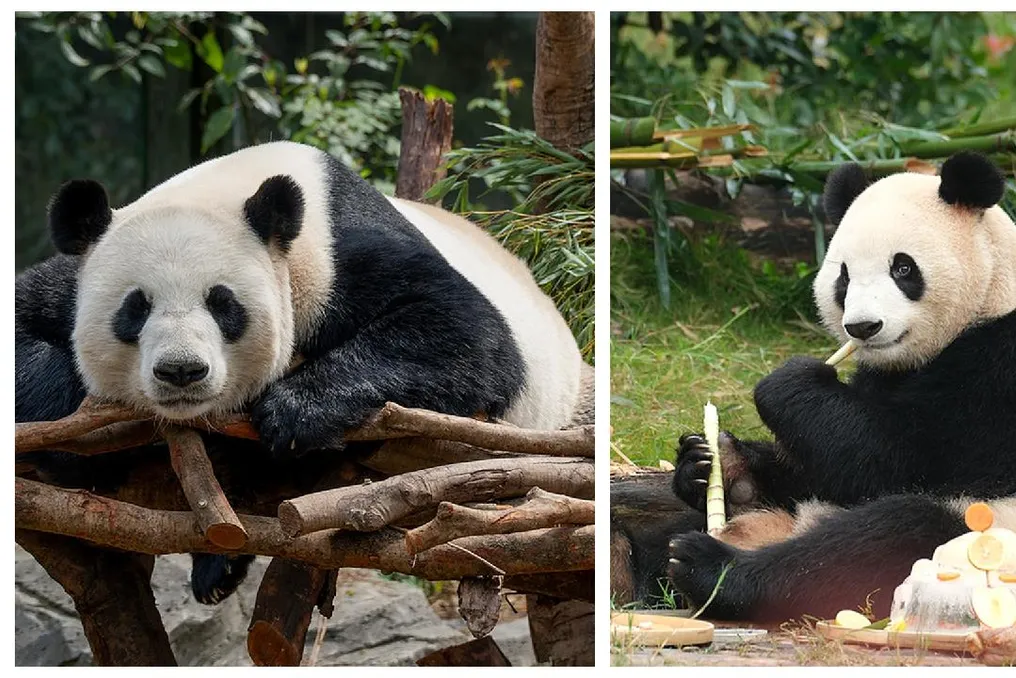
Pingping, born on March 17, 2020, is easily recognizable by her large dark eye rings. She has a sturdy build, moves gracefully, and has shown an aptitude for climbing trees, often resting among the branches. Fushuang, born on October 18, 2020, is distinguished by a small fluffy tuft on his head and a full, protruding forehead. With a round physique, he reacts quickly and is very adept at finding food.

Both giant pandas originate from the Giant Panda Breeding Research Base in Chengdu, Sichuan. They will arrive at the Atlanta Zoo, where a protection program will be implemented over ten years.

The Atlanta Zoo has twenty-five years of experience collaborating with China in giant panda conservation. The previous partnership began in 1999 with the arrival of pandas Lung Lung and Yang Yang and concluded in 2024. During this collaboration, five litters were successfully raised, resulting in seven cubs, making it the most successful international giant panda breeding project involving Europe and America. Currently, all nine pandas have returned to the Giant Panda Breeding Research Base in Chengdu.

To ensure a safe and comfortable journey across the Pacific Ocean, the Chinese team developed a detailed transportation plan and prepared fresh bamboo shoots, bamboo, apples, and emergency medications. Additionally, the two giant pandas underwent preliminary training for transport adaptation to reduce stress and anxiety.

During the flight to the US, a comfortable temperature and humidity range is maintained in the cabin for the pandas. Experienced veterinarians and keepers from the US accompany the pandas during the flight, monitoring their condition in real-time and meeting their nutritional and health needs.

The Chinese side also organized a preliminary trip for two groups of veterinarians and keepers to the zoo to conduct preparatory work. Upon arrival in Atlanta, the giant pandas will undergo quarantine and medical examination. Chinese staff will remain at the zoo to care for them throughout the quarantine period, helping them adapt to the new environment through behavioral training and stress adaptation.

To create a healthy and comfortable habitat for Pingping and Fushuang, Chinese experts and the Atlanta Zoo held numerous online and in-person meetings starting in December 2025 to discuss plans for upgrading the panda enclosures. Chinese specialists provided technical guidance and established standards for equipment, housing conditions, feed, and medical care. The Atlanta Zoo actively adopted the recommendations and began modernization in an orderly manner.

In mid-September, Chinese experts inspected the renovated enclosures. The updated indoor exhibit area now offers significantly more space, including new environmental enrichment elements such as climbing structures, rock platforms, and a pool, giving the pandas more opportunities for exploration and rest. The monitoring system has also been improved to provide more comprehensive real-time information about the conditions inside and outside the panda complex.

Regarding food resources, due to Atlanta's climate being similar to Chengdu's, the zoo can locally source diverse edible bamboo. Fresh bamboo can be harvested year-round, ensuring a sufficient supply for the two pandas.

Popular