Members of parliament insist that the government reclassify gender-based violence and femicide (GBVF) as a national catastrophe, utilizing the disaster management law section which would allow for the release of emergency funding from the National Treasury.
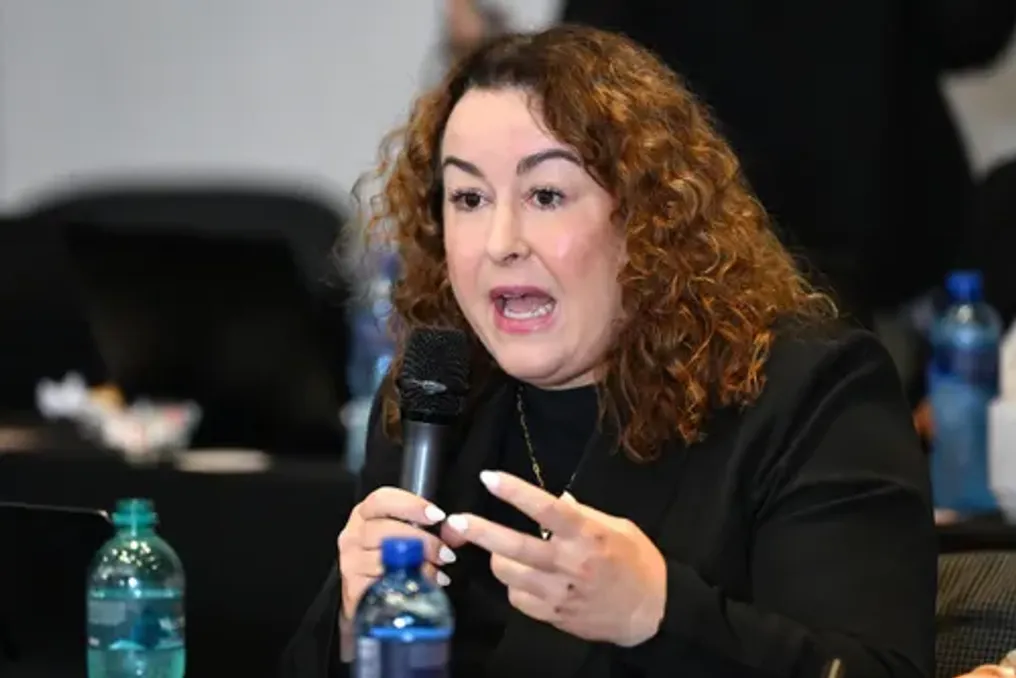
Leesle van der Merwe, chairperson of the Portfolio Committee on Women, Youth and Persons with Disabilities, stated that declaring GBVF a national catastrophe in 2025 created false hope among citizens. She and other deputies are appealing to the government to change the classification of GBVF.
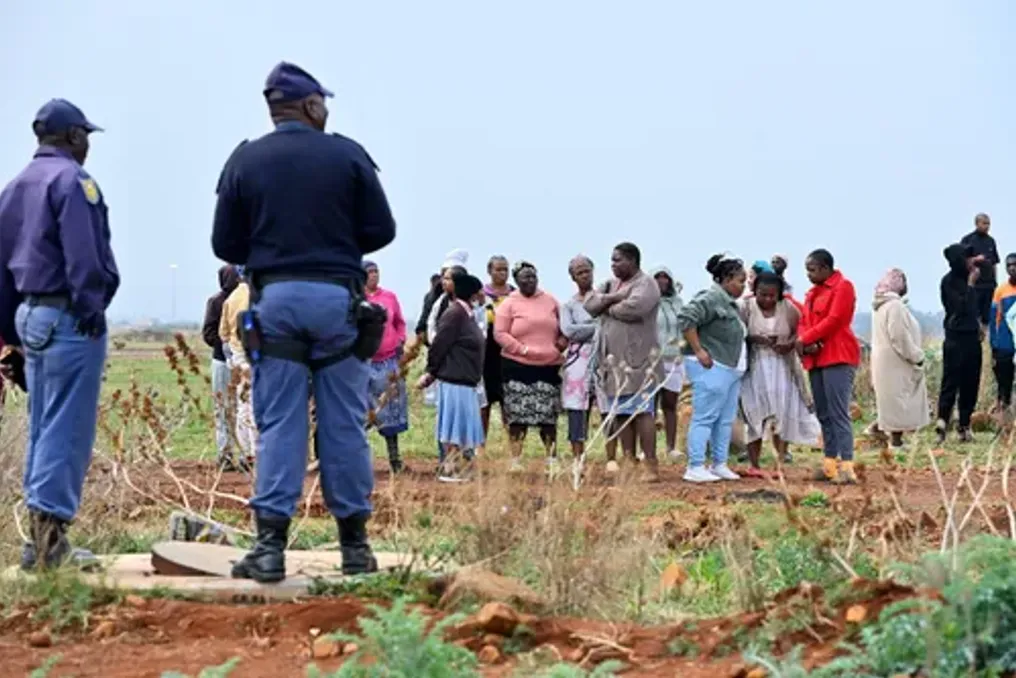
This appeal came a week after several women were found murdered and sexually assaulted in Ekurhuleni. The parliamentary committee on women, youth and persons with disabilities noted that the GBVF crisis is worsening despite its declaration as a national catastrophe last year.
Deputies from all political parties suggested that the declaration or classification of the disaster itself lacked 'teeth' and was merely a formality without allocated funding. Committee chairperson Leesle van der Merwe emphasized the importance of targeted funding for implementing the national strategic plan and national catastrophe, urging the National Treasury and the government to ensure the allocation of necessary funds.
In November last year, the government classified GBVF as a national catastrophe under Section 23 of the Disaster Management Act. This allowed government departments to reallocate existing funds, strengthen coordination across government spheres, and ensure a structured response through established disaster management mechanisms, including the interdepartmental committee NATJOINTS.
At the time, Minister of Cooperative Governance and Traditional Affairs Velenkosini Hlabisa stated that this classification required all state organs to strengthen support for existing GBVF response structures, fully implement contingency plans, and activate all necessary mechanisms for effective disaster management by the national executive organ.
The classification followed pressure from civil society groups who organized nationwide protests against GBVF. In an urgent meeting with the departments for women, youth and persons with disabilities, social development, and the Gender Equality Commission (CGE), deputies noted that the national catastrophe classification had not led to tangible improvements for affected communities.
The CGE supported the deputies' concerns, and one of its commissioners, Princess Eurika Mogane, explained that the government decided to classify GBVF using a section of the Act that falls within existing budgets. In contrast, Section 27, applied to natural disasters such as floods and Covid-19, allows bypassing bureaucratic inertia and releases funding and executive powers.
Requests to the South African GBV Command Centre sharply increased to 589 in a single day in September due to a sharp rise in demand for support.
Leesle van der Merwe stated that the impact of this classification is now becoming evident, and it is important to understand which sections of the law were utilized, as this plays a major role. Shock Tshabalala, Deputy Director-General of the Department of Women, Youth and Persons with Disabilities, confirmed that the classification received no funding and only required the reallocation of budgets from existing departmental baselines.
She added that the working group was studying the best way to mobilize resources independent of financial space. Tshabalala noted that the response to the national GBVF crisis remained largely unfunded, with limited targeted funding for implementation. 'Baseline budget projections show significant gaps,' she said.
In response to the deputies' concerns, Tshabalala reported that at the time of the classification, the government was facing 'financial constraints.' She explained that they had to act collectively, and therefore, budget reallocation was the best option the government could consider at that moment to continue this work.
Speaking after the meeting, Van der Merwe reiterated that declaring GBVF a national catastrophe gave people 'false hope.' She explained that activists were naturally very pleased with the declaration, knowing that disasters release funds. However, because the government relied on a section of the law that does not provide for fund release, a problem arose that led to false hope.
Van der Merwe believes that declaring GBVF a national catastrophe without allocating funds was a hasty reaction and meaningless. Therefore, she calls on the government to use the section of the law that will allow the National Treasury to release funds. She stated: 'If we can find money for a flood, and if we can find money to stop Macha and Macha, you can find money for a catastrophe. So come back, change this declaration, do not use the part of the law you used before about self-funded catastrophe, and properly declare the catastrophe.'
Van der Merwe added that additional funds could be used to hire more social workers, purchase additional rape kits, and train police officers on GBVF issues.