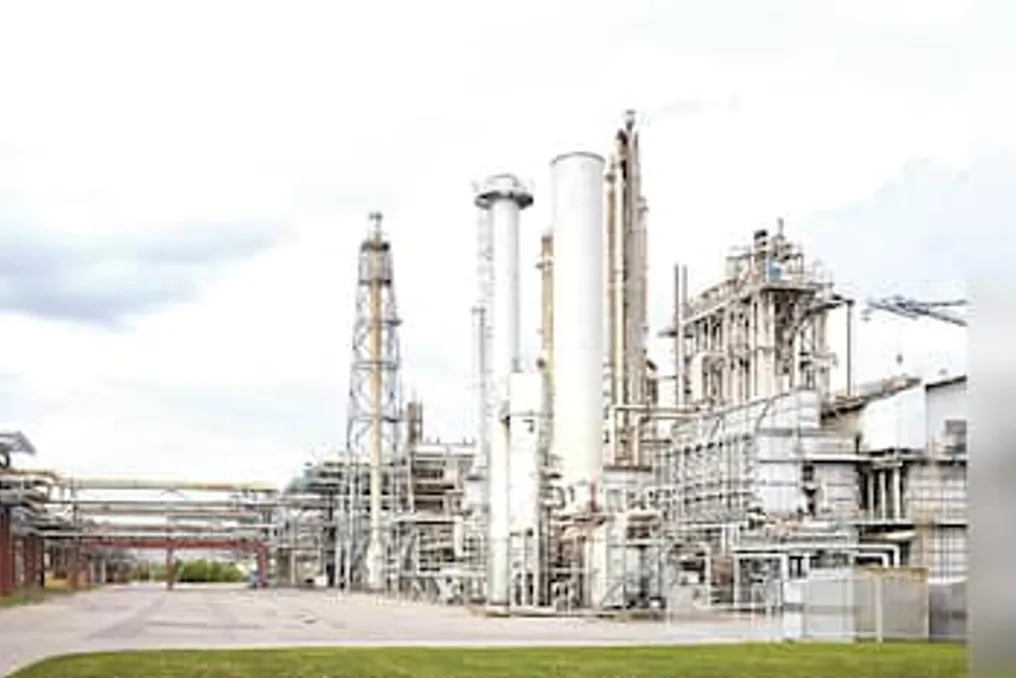
The specialty chemical manufacturer Epigral has set a goal to achieve a revenue of 5000 crore rupees by the fiscal year 2030-31. This growth will be ensured by the upcoming increase in production capacities in the CPVC Resin and Epichlorohydrin (ECH) segments, according to a senior company executive.
According to the statements, the company expects its revenue in the current fiscal year to reach 2900 crore rupees, which is an increase compared to the figures of 2500–2530 crore rupees recorded in FY 26. Epigral's head, Maulik Patel, noted that the increase in CPVC Resin and ECH production capacity will start generating income from next year, allowing it to double its revenue to approximately 5000 crore rupees by 2030-31.
Specifically, the CPVC Resin production capacity will be increased from 75,000 tonnes per year to 150,000 tonnes per year, and the ECH capacity will be doubled from 50,000 tonnes per year to 100,000 tonnes per year at the company's existing facilities in Dahaj, Gujarat. Both capacity expansions are expected to be commissioned within a few months. Capital expenditures of 650 crore rupees for this stage of expanding both projects are almost complete and will begin to partially affect the total revenue in the current year, and more significantly from the next fiscal year. All capital expenditures were financed through internal reserves.
After 2019, the Gujarat-based company, possessing a significant balance sheet, decided to enter the market for import-substituting products. Epigral began operating in the Epichlorohydrin (ECH) and CPVC resin sectors in 2022 and successfully launched both plants in Dahaj. The company became the first Indian to produce ECH using a glycerol-based process rather than the traditional petrochemical route, making the product more environmentally friendly.
Furthermore, the company started producing CPVC resin and has already become the largest producer in India; with the doubling of capacities, it plans to become a global leader in this category. Patel also stated that Epigral acquired a new plot of land in Dahaj, near the existing plant, to create an entirely new chemical line. This project is still in the stage of securing a technology partner and is expected to be presented to the board of directors next quarter. He described this new line as another example of import substitution, similar in category to CPVC and ECH, but on a much larger scale, as about 90 percent of Indian demand for this molecule is currently met by imports. Patel declined to comment on the capital expenditures but estimated them to be over 1000 crore rupees.