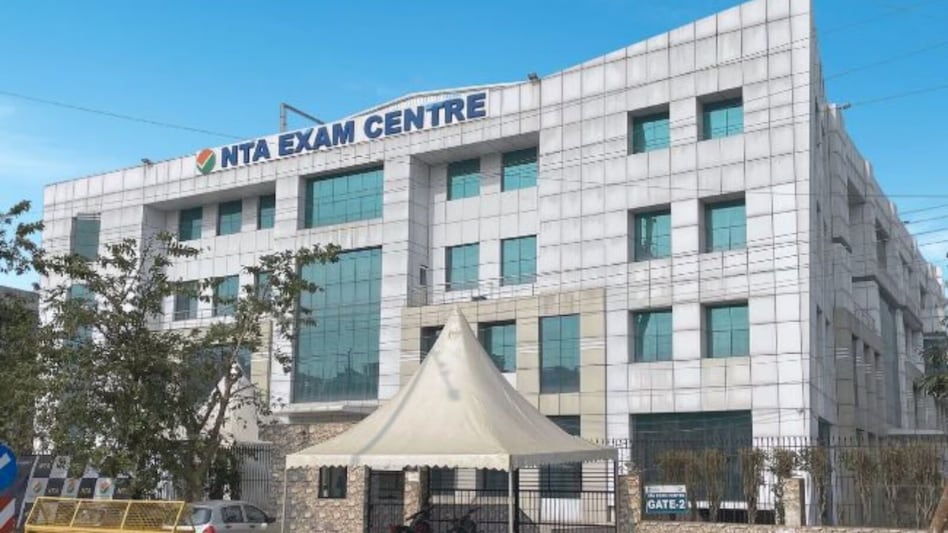
The National Testing Agency (NTA) has made significant changes to its examination system to enhance security. These reforms followed disputes related to the leakage of examination materials and incidents concerning the NEET UG exam. Currently, NTA is implementing changes across its entire structure, including staffing.
One of the key changes is the relocation of the new NTA office to Mint Road, Delhi. The Central Industrial Security Force (CISF) has been deployed here to secure sensitive and confidential areas. The goal of this new system is to prevent unauthorized access to confidential examination operations and strengthen access control.
According to a report, 39 CISF personnel are stationed at the new complex. Their duties include monitoring entry and exit, as well as conducting screening and security checks.
NTA's previous operating methods were different. Staff and officials were distributed across units for various exams, but this system has also been changed. The new structure forms functional verticals based on work and specialization. This aims to develop subject matter expertise in various operational areas of the agency.
NTA's confidential examination operations have been moved to the Government of India Press Building on Mint Road in Delhi. The new complex provides an area of 55,524 square feet, encompassing parts of the fourth, fifth, and sixth floors. The current address of NTA on its official website also points to this building on Mint Road.
Following a directive from the Ministry of Home Affairs, 39 CISF personnel were placed in the new complex. They are responsible for screening and controlling access for individuals entering confidential zones. CISF staff conduct access control, screening, and monitor entry and exit. Security checks include baggage scanning via X-ray and Door Frame Metal Detector (DFMD). CISF personnel are positioned at various entry and exit points to regulate movement in sensitive areas.
The changes affect not only the organizational structure but also job appointments. In May 2026, two Deputy Directors were appointed within NTA under the Central Cadre Scheme. In August, 14 officials joined the agency, ranging from Deputy Secretary level to Assistant Section Officer. Among these officials are members from various government services such as IAS, IPS, IRS, and Indian Statistical Service.
Furthermore, recruitment is underway for subject matter specialists for positions such as Security Officer, HR, R&D assessment, test center, candidate experience, information security, test security, and supervision.
The CBI is investigating the NEET-UG 2026 leak case. The agency named 13 accused in the indictment filed on July 28, which includes three subject experts from NTA. According to the CBI, these three experts allegedly gained access to questions related to the confidential department of NTA while handling examination materials. During the investigation, it is alleged that one expert recorded the questions and options on small pieces of paper, while other experts allegedly memorized some questions and subsequently wrote them down. It is important to note that these are allegations and findings of the CBI investigation, not a final verdict.
Following the NEET-UG 2026 dispute, a high-level committee was formed, chaired by Nandan Nilekani, co-founder of Infosys, to improve the examination system. In September 2026, the Judiciary was informed that the committee conducted extensive consultations with stakeholders, and its report is expected by the end of September. During hearings on petitions related to NEET-UG 2026, the Supreme Court requested a progress report on the new NTA system and reforms. The court also indicated it might inspect the new NTA office to verify if the stated systems are being implemented on the ground.
To enhance exam security, NTA has introduced new protocols at all levels of the process. This includes monitoring every stage, from question preparation to translation, printing, packaging, and secure delivery to examination centers. Established security procedures will also be followed when opening the question trunk on the day of the exam, as well as during answer processing and result preparation.
Technologies such as Aadhaar-based biometric authentication and facial recognition will be used for candidate identification and monitoring of examination centers. Additionally, risk assessment, mobile jammers, CCTV surveillance, and AI-based technical tools have been integrated into the security system at multiple levels.