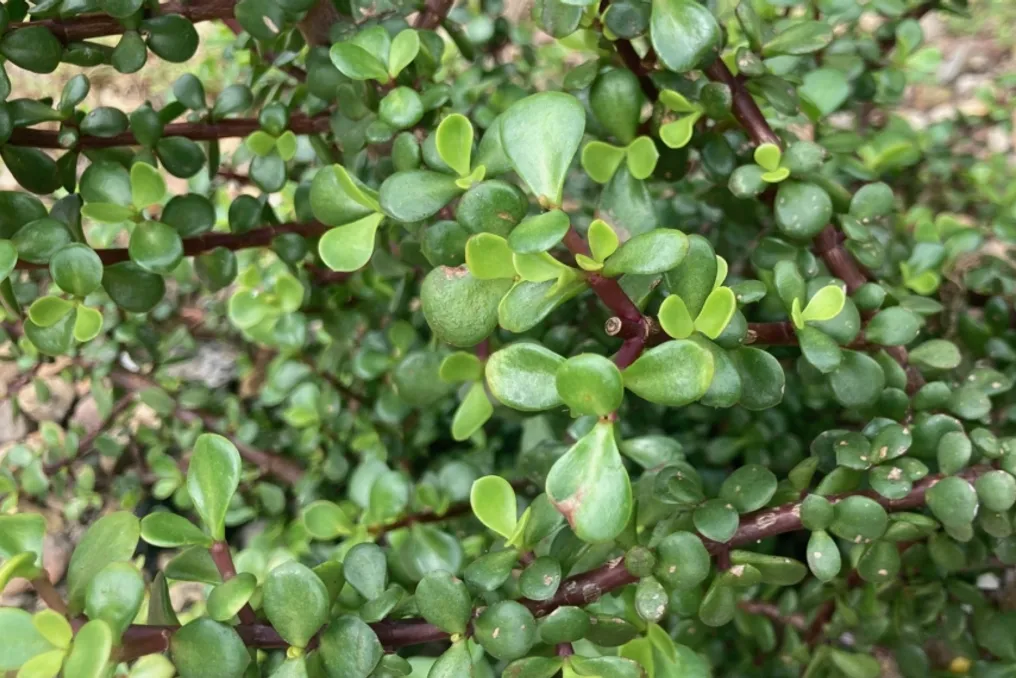
Study shows Spekboom could be a nutritious and sustainable product to ensure South Africa's food security
Read more
Food For Mzansi
foodformzansi.co.za

Study shows Spekboom could be a nutritious and sustainable product to ensure South Africa's food security

Spekboom (Portulacaria afra) is an unpretentious shrub, small tree, or hedge. In its natural habitat, it grows on steep slopes and rocky hills in the Karoo and Eastern Cape regions of South Africa, where it functions to stabilize soil and prevent erosion. Furthermore, this species is an effective carbon absorber, removing carbon dioxide from the atmosphere.

Because its fleshy green leaves contain an exceptionally high average moisture content—over 93%, Spekboom serves as a natural water source for both people and wildlife in arid areas.

Scientists studying how underutilized local plants, crops, and insects can be transformed into safe, nutritious, and appealing food sources began researching Spekboom, which is already known as a good source of Vitamin C. The researchers set two goals. First, they tested raw Spekboom leaves, as well as leaves subjected to various processing methods: baking, roasting, steaming, or blanching, evaluating their color, appearance, texture, moisture, acidity, and Vitamin C content.

Second, the scientists investigated whether consumers were aware of Spekboom as a food and if they were willing to consume it. The results showed that thermal processing makes Spekboom leaves softer and lighter while retaining characteristics similar to other leafy vegetables. Although respondents knew little about Spekboom as a food, most expressed willingness to try and buy it, even without prior consumption experience.

Raw Spekboom leaves have a juicy and crunchy taste with a sharp flavor reminiscent of lemon juice. Their natural acidity allows them to be used in both raw and cooked dishes, as it balances sweetness and spices. These leaves can be eaten fresh or used to make savory marinades, crunchy pickles, and sweet preserves.

To expand the consumption of Spekboom, an optimal method for preparing it in everyday dishes needed to be found. Student researcher Rosanne MacDonald developed several Spekboom recipes that were tested in the Sensory Laboratory of the Department of Sustainable Food Systems and Development at the University of the Free State. For instance, to make Spekboom lemon curd, fresh leaves were mixed with lemon juice, and then the mixture was cooked with eggs, sugar, lemon zest, and a small amount of cornstarch until thickened, after which butter was incorporated. This resulted in a smooth, sweet-sour sauce that can be stored in a sterilized jar for up to ten days.

Spekboom can also be used in savory preserves. Fresh leaves were added to tomato chutney made from onion, garlic, vinegar, sugar, garam masala, mustard, and herbs. The tomatoes were slowly simmered until reduced, and then the Spekboom was added for the last thirty minutes.

Fresh leaves were also marinated with thinly sliced red onion in a warm mixture of red wine vinegar, honey, olive oil, fennel, mustard, cinnamon, and cardamom, left for seven days before serving. Dried Spekboom leaves can be turned into dukkah—a crunchy Egyptian spice blend. For this, ground dried leaves and Spekboom powder were mixed with roasted coriander, cumin, sesame and sunflower seeds, walnuts, peanuts, salt, and black pepper. Spekboom provided a tanginess to the rich mix of nuts and spices.

These dishes demonstrate that balancing its lemon flavor with sweet, savory, or spicy ingredients allows for the creation of products that people genuinely enjoy. Overall, it was found that the cooked leaves remain acidic and moist, similar to other fresh leafy vegetables. After steaming, the Vitamin C content in Spekboom was found to be higher than in raw leaves.

The plant can be resilient, but if people do not like the taste and do not want to eat it, it will not help solve food security problems. One hundred and twenty people participated in the study. About 84% of participants had previously seen Spekboom, but only 22% had tried it more than once in the previous year. Only 3% of the group knew about the nutritional value of Spekboom, but 82.5% stated they were more likely to eat it if they learned more about its health benefits.

Overall, most participants showed interest in consuming Spekboom: 79.2% stated they were willing to include it in their diet, and 75% said they would buy it if it were available in supermarkets. More than 77.5% would consider buying it if the price were lower than other vegetables. This indicates that Spekboom is a widely known but rarely considered product, and people are open to consuming it. Additional information about its health benefits, preparation methods, supermarket availability, and acceptable price could stimulate its use as another leafy vegetable.

South Africa's food system faces challenges for many people: poverty, inequality, and unemployment prevent households from affording sufficiently nutritious food. In 2024, about 63.5% of households in the country experience food shortages, and 17.5% are classified as critically malnourished.

Spekboom requires minimal water, grows well in poor soils, and is very resilient. Processing it into long-lasting products, such as marinades and preserves, can reduce post-harvest losses and create sustainable value chains. This opens opportunities for local community agro-processing initiatives, transforming garden plants into value-added commercial products.

Spekboom should not remain merely an emergency harvest item or a salad garnish. Thanks to the right culinary approach and support from food science, our research shows that Spekboom has the potential to transform from a decorative hedge into an integrated element of modern African cuisine.
Similar stories

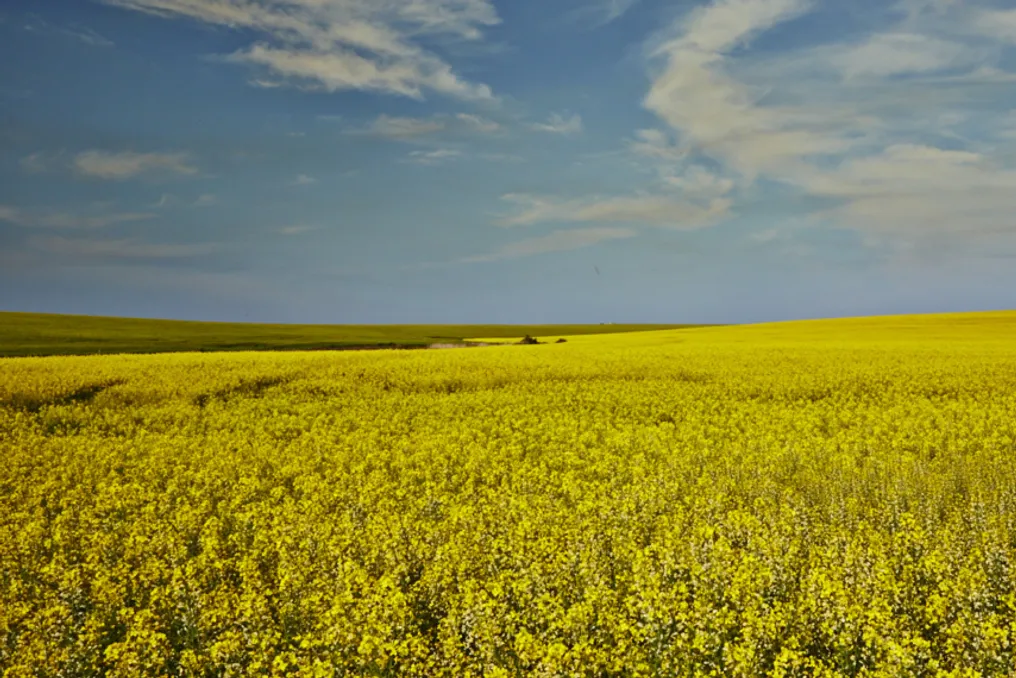
The Value of Local Rapeseed Production for South Africa's Food Future
Read more
foodformzansi.co.za

The Value of Local Rapeseed Production for South Africa's Food Future

Rapeseed grown by local farmers and processed by Southern Oil (SOILL) plays an important role in strengthening grain systems, reducing carbon emissions, and producing nutritious feed. Through the B-well brand, this versatile, heart-healthy ingredient transforms local agricultural resources into everyday food products.

The future of food lies not only in inventing new products but also in more efficiently utilizing crops already grown and processed in South Africa, allowing greater value to be extracted from local agricultural resources. This is precisely what the story of rapeseed demonstrates.

Although rapeseed is often associated only with the name on a bottle of oil, it is part of a much broader value chain based on local production. B-well rapeseed oil is made from 100% South African, non-GMO rapeseed seed, which is grown by local farmers and processed in the city of Stellenbosch by Southern Oil (SOILL). This product connects farmers, processors, food manufacturers, retailers, and consumers, spreading from farms in the Western Cape to kitchens across the country.

For grain farmers, rapeseed serves a significant function in the overall farming system. Instead of continuous planting of grain crops, farmers rotate the cultivation of rapeseed with crops such as wheat and barley. As a cover crop, rapeseed helps control certain weeds and plant diseases, while also improving the yield of subsequent wheat harvests, contributing to a more diverse and sustainable cultivation system. The application of conservation agriculture methods improves soil health and nutrient cycling, and crop rotation supports more efficient fertilizer use.

After harvesting, the rapeseed seeds are sorted, stored, and transported for processing. At the Southern Oil (SOILL) facility, the seeds are cleaned and crushed to separate the oil from the other material. Approximately 42%–44% of the seeds is extracted as oil. The remainder is processed into rapeseed meal—a protein-rich ingredient used as animal feed, including for dairy and poultry. Thus, one seed contributes to both food production and livestock farming.

These two products together form a closed local value chain. The oil goes into consumer products, while the protein-rich meal returns to agriculture through animal feed. The efficient use of both streams helps minimize waste and maintain the flow of value between local farming and food production. This is the meaning of sustainable sourcing in the story of B-well rapeseed.

This is not just a statement that the seed is local; it reflects a combination of interconnected practices and outcomes: the seeds are grown by recognized South African farmers; rapeseed is included in crop rotation systems that support the overall grain production system; the local supply chain ensures a shorter and traceable path from farm to processor; processing takes place in South Africa, reducing the need for international transport; and both main products from the seed are utilized productively, helping to minimize waste and maximize the crop's value.

It should also be emphasized the environmental benefit of local production. A shorter and traceable route contributes to reduced transportation-related emissions compared to oils imported into South Africa from abroad. Furthermore, local sourcing provides a clear logistical advantage by shortening the path from agricultural production to processing and market. Since the rapeseed seeds are grown and processed locally, the agricultural and industrial value remains in South Africa.

Morné Bothes, Commercial Director of SOILL, notes: 'Rapeseed shows what is possible when local agriculture and processing work as a single system: one crop can strengthen crop rotation, provide a local food ingredient, and return valuable protein to the agricultural value chain.'

The extracted oil is ultimately refined and used in cooking oils, mayonnaise, sauces, and dressings. Rapeseed oil is naturally cholesterol-free, very rich in plant omega-3s, and has an omega-6 to omega-3 ratio of approximately 2:1. The B-well brand, created by Southern Oil, brings this rapeseed story to South African kitchens. Through products like B-well rapeseed oil and rapeseed-based mayonnaise, the brand offers consumers practical ways to incorporate rapeseed into their usual daily meals.

B-well rapeseed oil is approved by the South African Heart and Stroke Foundation and has received the Cansa Smart Choice seal. The Cansa seal is awarded to products that meet its scientifically based nutritional criteria in a specific food category. These independent recognitions confirm the product's nutritional quality and help consumers identify it as a conscious choice for everyday cooking oil.

Rapeseed oil also has a neutral taste, allowing the flavor of the food to remain the main focus. Its versatility makes it suitable for frying, baking, roasting, marinating, and salad dressings. The South African Food Future conference brings together people who grow, produce, move, sell, regulate, and buy food. Rapeseed is part of this discussion because its journey connects every part of this system. From local seed in the Western Cape to food and animal feed, rapeseed demonstrates how South African agriculture and local processing can create more value from one crop—supporting farmers, feeding people, and returning protein to agriculture.

Local seeds (landraces) can ensure South Africa's harvest during El Niño
Read more
foodformzansi.co.za

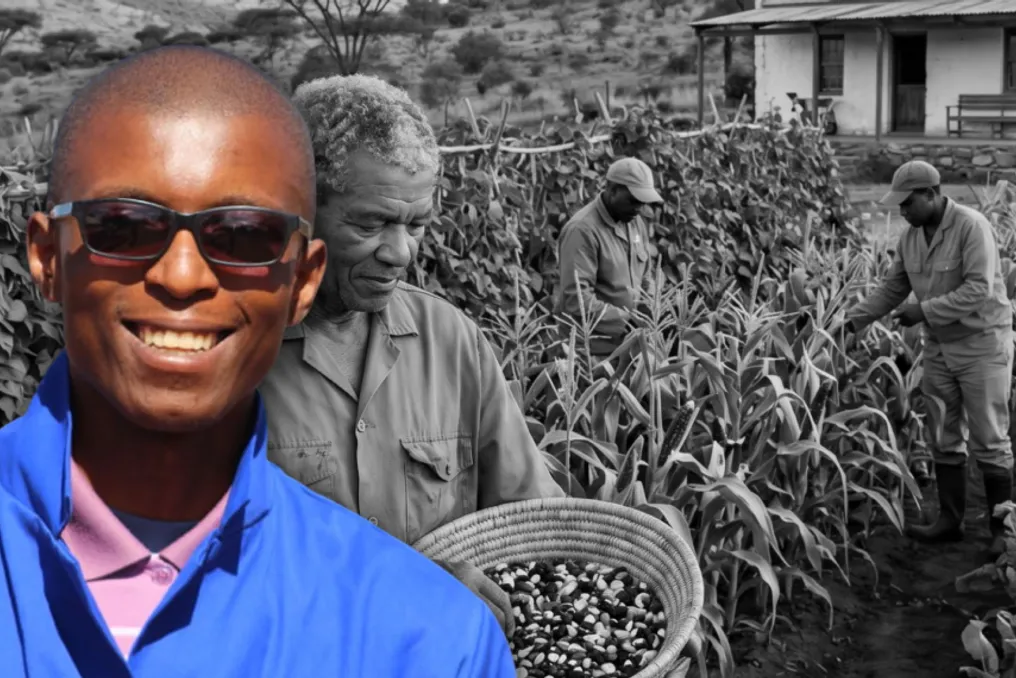
Local seeds (landraces) can ensure South Africa's harvest during El Niño

Given that hotter and drier conditions threaten South Africa's agricultural season in 2026/27, scientist Dr. Mathelele Lehlogonolo explains how local landrace seeds can be key to climate change resilience.

As South Africa prepares for the expected El Niño season of 2026/27, concerns are rising again regarding the country's agricultural prospects. For grain producers, livestock farmers, politicians, and consumers, the prospect of reduced rainfall and increased temperatures raises complex questions about food production, food prices, and agriculture.

Although modern improved crop varieties have significantly increased agricultural productivity in recent decades, there is growing recognition that landrace seeds—traditional varieties selected and maintained by farming communities for generations—can play an increasingly important role in helping South African agriculture cope with climate shocks.

As climate change intensifies and droughts become more frequent, these locally adapted genetic resources may cease to be seen merely as relics of traditional agriculture, but instead become valuable tools for building sustainable food systems.

El Niño is a natural climatic phenomenon associated with warming sea surface temperatures in the central and eastern Pacific Ocean. Although it occurs thousands of kilometers from Africa, it has a profound impact on global weather patterns.

In South Africa, El Niño is typically associated with the following phenomena:

  • Reduced summer rainfall
  • Above-average temperatures
  • More frequent heatwaves
  • Increased evapotranspiration
  • Poor soil moisture
  • Higher risk of crop failure
  • Decreased pasture availability for livestock

While not every El Niño event affects all regions equally, South Africa has historically experienced some of the most severe agricultural droughts during strong El Niño years, including periods in 1982/83, 1991/92, 2015/16, and to varying degrees, 2023/24.

For the upcoming 2026/27 production season, climate forecasts suggest that producers should be prepared for potentially drier than usual conditions in many regions of the country's summer rainfall season. Therefore, early preparedness may prove critical.

South Africa's agricultural sector heavily relies on a relatively small number of commercial crop types, specifically maize, wheat, soy, sunflower, and potatoes.

Within these crops, farmers often cultivate only a limited number of commercial varieties developed primarily for high-intensity production systems. These improved varieties demonstrate exceptional results under favorable growing conditions, but many require sufficient rainfall, fertilizers, pesticides, good soil fertility, and intensive management.

Under severe water stress, yields can drop sharply. This is where genetic diversity becomes critically important.

Landrace seeds are local crop varieties that have evolved over many generations through continuous selection by farmers in specific ecological conditions. Unlike commercial hybrids, landraces possess vast genetic diversity within each population.

Traditionally, farmers selected seeds from plants that survived drought, poor soils, pests, diseases, heat, and unpredictable rainfall. As a result, landraces often contain valuable traits that allow them to better withstand environmental stresses.

Examples found across South Africa include sorghum, pearl barley, beans, Bambara groundnuts, peanuts, dry beans, pumpkins, indigenous leafy vegetables, and traditional maize varieties.

Many rural communities continue to preserve these seeds through home seed saving and community seed banks.

One of the greatest strengths of landraces is their resilience, rather than maximum yield. While commercial hybrids often produce higher yields in ideal conditions, landraces often outperform them when rainfall becomes scarce.

Their advantages are shown in Figure 1 below.

Several African countries have already demonstrated how conserving landraces contributes to food security during extreme climatic events.

Ethiopia possesses one of the richest collections of traditional African crop varieties. Farmers continue to cultivate diverse landraces of teff, barley, wheat, and sorghum. The country's close collaboration between farmers and national gene banks has helped preserve crop diversity while providing breeders with valuable genetic material for developing climate-resilient varieties.

In Zimbabwe, traditional sorghum and pearl barley have repeatedly shown greater drought resistance than maize in dry years. The government and development partners are increasingly promoting these traditional cereals in semi-arid regions where maize production remains highly risky.

In Malawi, community seed banks have allowed farmers to preserve local varieties while improving access to drought-resistant seeds after climate-related disasters. The combination of home seed saving and community seed exchange has strengthened local resilience.

In Kenya, farmer-involved participatory breeding programs have successfully combined traditional landraces with modern breeding methods, creating improved varieties that retain valuable stress-resistance characteristics.

South Africa has significant diversity in indigenous crops, yet much of this remains untapped. Traditional crops such as pearl barley, sorghum, beans, Bambara groundnuts, peanuts, amadumbe, and indigenous vegetables historically sustained communities living in drought-prone areas.

However, over time, many farmers have shifted to maize monocultures and commercially bred varieties. As climate risks increase, interest in these traditional crops is growing. Institutions such as the Agricultural Research Council (ARC), universities, community seed banks, and the National Plant Genetic Resources Centre continue to maintain valuable landrace collections that can contribute significantly to future crop improvement.

While landrace seeds offer significant potential, they cannot be considered a complete replacement for improved commercial varieties. Rather, they are part of a broader strategy for climate change adaptation. Their greatest value lies in:

  • Maintaining genetic diversity
  • Providing useful traits for breeding programs
  • Supporting smallholder farming systems
  • Reducing production risks
  • Preserving cultural heritage
  • Strengthening local seed systems

Future breeding efforts will increasingly depend on the unique genes found in landrace populations to develop varieties capable of thriving in hotter and drier climates.

Preparing for future El Niño events requires coordinated action across South Africa's entire agricultural sector. Priority measures include:

  • Expanding the collection and conservation of landrace seeds.
  • Supporting community seed banks and household seed conservation initiatives.
  • Encouraging participatory breeding involving farmers and researchers.
  • Promoting drought-resistant traditional crops in vulnerable areas.
  • Raising farmers' awareness about the value of agricultural biodiversity.
  • Integrating landrace conservation into national climate change adaptation strategies.
  • Investing in research on climate-resilient indigenous crops.
  • Facilitating seed exchange networks while maintaining seed quality standards.

A Future Based on Diversity

The expected El Niño of 2026/27 serves as another reminder that climate uncertainty is becoming the new normal. Building resilient agriculture is now not just about increasing yields, but about reducing risks. Landrace seeds represent millennia of farmer innovation and natural adaptation. Their rich genetic diversity may hold many answers needed to secure future food production in an increasingly unpredictable climate.

For commercial producers, integrating climate-resilient varieties into production systems can reduce vulnerability. For smallholder farmers, preserving traditional seed systems can provide an accessible and locally adapted safety net. For breeders, landraces remain an indispensable gene reservoir for future improved varieties.

As South Africa faces another potentially challenging growing season, the nation's greatest agricultural insurance may already exist; not only in laboratories, but also in seed stores, community seed banks, and on the fields of family farms that have preserved these genetic treasures for generations. In an era of climate uncertainty, conserving landrace diversity is no longer just a conservation measure. It is an investment in the future food security of South Africa.

Popular