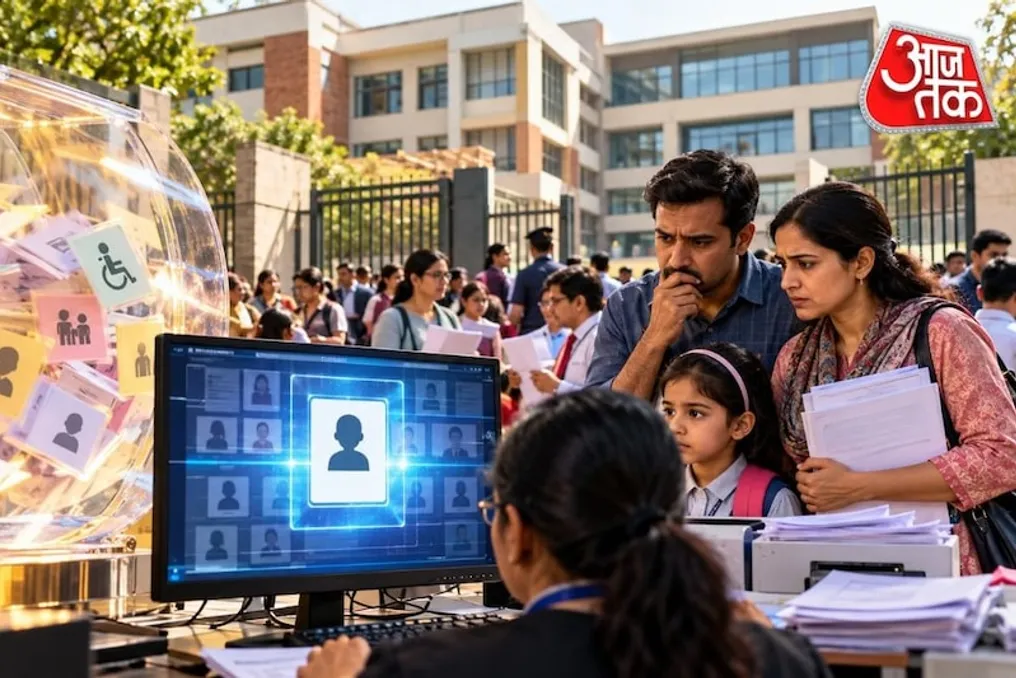
Admission to some private schools in Delhi is conducted via lottery: rules and conditions
Read more
Aaj Tak
www.aajtak.in

Admission to some private schools in Delhi is conducted via lottery: rules and conditions

Every family dreams of giving their child the opportunity to study in a good school, but in a city like Delhi, getting into a school can be difficult for many families, especially those from economically vulnerable groups.

For children from such families, seats in some private schools in Delhi are reserved and allocated through a computerized lottery or draw. However, it is important to understand that this opportunity is not available to every child.

According to the Delhi Department of Education system, this procedure applies to reserved seats in private non-aided accredited schools for children from the EWS, DG, and CWSON categories.

The lottery admission system is intended for primary, or entry, classes. These include three main levels: Nursery or Pre-school, KG or Pre-primary, and first grade.

Thus, if your child meets the age requirement for these classes and fulfills other selection criteria, their name may be included in the computerized draw for admission.

A significant number of private accredited schools in Delhi fall under this system. Among them, according to the Delhi Department of Education list, are DAV Public School, Vasant Kunj, DPS Pushpanjali Enclave, DPS Shresth Vihar, GD Goenka Public School, Sarita Vihar, Deep Public School, ITBP Public School, Dwarka, Rishabh Public School, Mayur Vihar, Greenway Modern School, Jhilmil Colony, Canterbury Public School, Yamuna Vihar, Diamond Public School, Chand Bagh, New Oxford Public School, Vivek Vihar, and Bharat Shakti Public School, Budh Vihar.

Nevertheless, this does not mean that every one of these schools will have a place in every class every year. The situation can change depending on the number of seats, the corresponding category, and the admission process in a specific year. Therefore, parents are strongly advised to check the official list from the Department of Education and information about the respective school before applying.

In accordance with the provisions of the Right to Education (RTE) Act, reserved seats are provided in private non-aided accredited schools for children from the EWS, DG, and CWSON categories in primary classes. It is for these seats that the computerized draw, organized by the Delhi Department of Education, is conducted.

Here, parents need to understand the difference. The government computerized draw for EWS, DG, and CWSON seats differs from the admission process for the general category. In the case of the general category, schools organize the admission process based on their own established rules and the available number of seats. Consequently, it cannot be stated that admission in all private schools in Delhi occurs via lottery for every child.

If you want to secure a place for your child under these reserved seats, do not apply based solely on the name of the school. First, you must verify whether the child meets the category and age requirements. After that, be sure to review the official admission notification for the current year, the list of schools, the number of vacant seats, and the application deadlines.

In conclusion, the lottery is a hope for families who wish to provide their children with an education in a good private school but face financial difficulties. However, being selected in the lottery does not guarantee final enrollment; after that, the necessary documents must be verified at the school, and other stipulated procedures must be completed.
Similar stories

Chief Minister Yogi Adityanath to hand over appointment letters to 3,567 selected youth in Lucknow
Read more
www.aajtak.in

Chief Minister Yogi Adityanath to hand over appointment letters to 3,567 selected youth in Lucknow

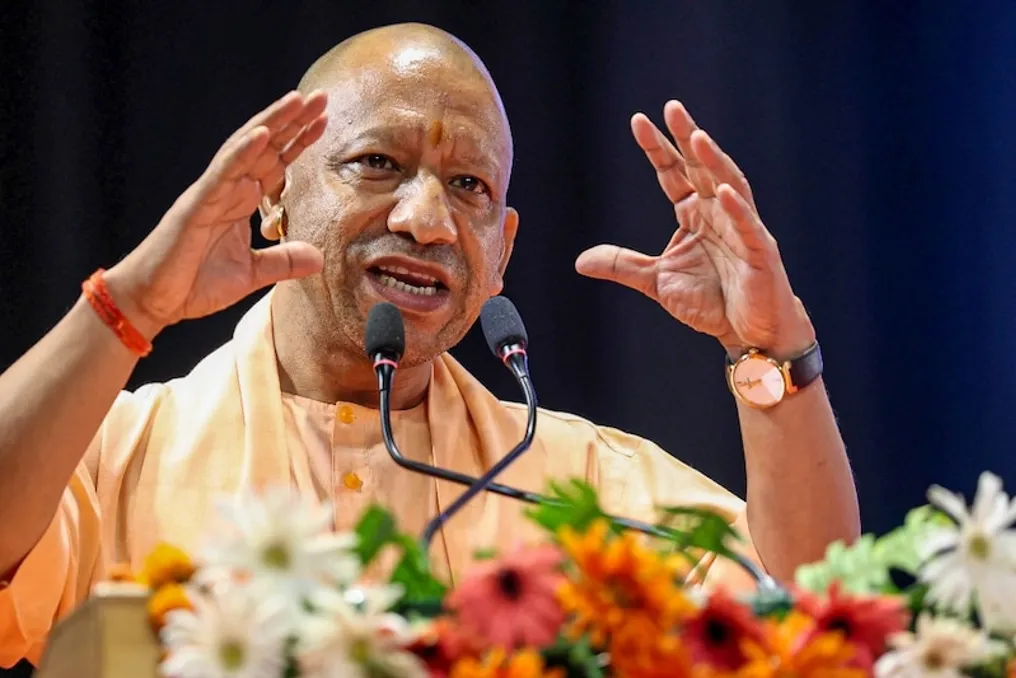
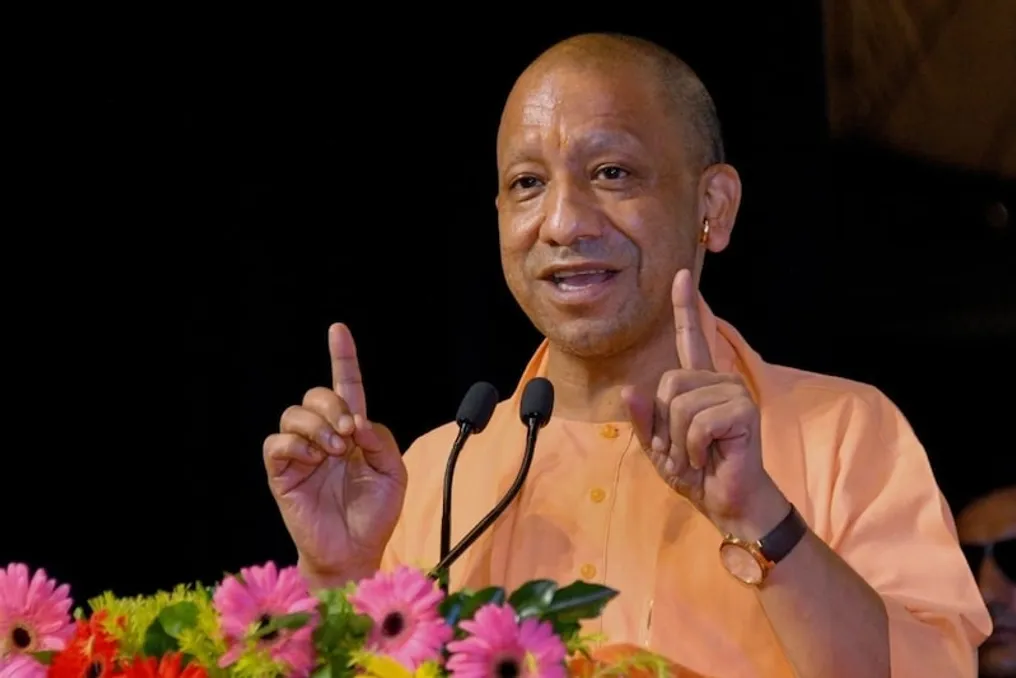
On Tuesday, September 22, 3,567 selected candidates will be given appointment letters in Uttar Pradesh. Chief Minister Yogi Adityanath himself will hand over these appointment letters to the selected individuals at an event organized in Lucknow.

These appointments have been made for various posts in government-aided secondary schools. The selected positions include Principal, Headmaster, Lecturer, and Assistant Teacher. Following the completion of selection for these posts related to the education department, the appointment process will move forward.

The appointment letter distribution ceremony will be held at Indira Gandhi Pratishthan in Lucknow at approximately 10:30 AM. The main attraction of this event will be that Chief Minister Yogi Adityanath will personally distribute the appointment letters to the selected people.

Through this recruitment drive, Principals, Headmasters, Lecturers, and Assistant Teachers have been selected for government-aided secondary schools. Upon receiving the appointment letters, the selected candidates will be able to take up their new duties. The government is continuously announcing the distribution of appointment letters. According to the government, more than 9.30 lakh youths have been connected to government jobs so far, and a target has been set to provide employment to more than 4 crore people in the future.

Tuesday is an important day for these 3,567 candidates who are waiting for their appointment letters after job selection. This event in Lucknow will be the next big step for them, from selection to securing a job. Once they receive the appointment letters, the process of their appointment to the respective posts will begin.

Uttar Pradesh Government Decides to Transform Over 14 Thousand Schools into 'Smart' with Allocation of 300 Crore Rupees
Read more
www.aajtak.in

Uttar Pradesh Government Decides to Transform Over 14 Thousand Schools into 'Smart' with Allocation of 300 Crore Rupees

The government of Uttar Pradesh has decided to convert 14,429 government primary schools into 'smart' schools. Funding amounting to 300 crore rupees has been allocated for the implementation of this initiative. The government's goal is to promote digital education and ensure modern amenities in public educational institutions.

This decision was made at a meeting chaired by Chief Minister Yogi Adityanath. Under this program, 'smart classrooms' will be gradually installed in 14,429 primary government schools, and modern infrastructure will be provided through ICT laboratories and digital resources.

ShriTron India Limited has been appointed as the contractor for installing 'smart classrooms'. The work will be carried out through competitive tenders, with an estimated rate of 207,910 rupees set for each school, which includes GST taxes and service charges.

If a lower rate is offered during the tender process, more schools can be made 'smart' within the limit of 300 crore rupees. It should be noted that 'smart classrooms' are already operational in over 32 thousand schools in Uttar Pradesh, and ICT laboratory infrastructure is available in over 15 thousand schools.

Furthermore, digital libraries operate in 1,129 schools, and over 2.61 lakh teachers have already received tablets. The use of 'smart classrooms' in primary schools began in 2021, with official operation starting from the 2022-23 academic year.

The new 'smart school' program will allow for the expansion of the field of digital education. The capabilities of 'smart classrooms' and ICT laboratories will be gradually expanded based on student enrollment and admission levels. The government's main objective is to provide children in public schools with modern, high-quality, and technology-oriented education.

Popular