Growing agricultural expenses are putting significant pressure on South African farmers, negatively impacting their daily operations. Farmers point to difficulties related to various cost items, including electricity prices, high wages, fertilizers, and the need to postpone certain tasks due to financial strain on the farm.
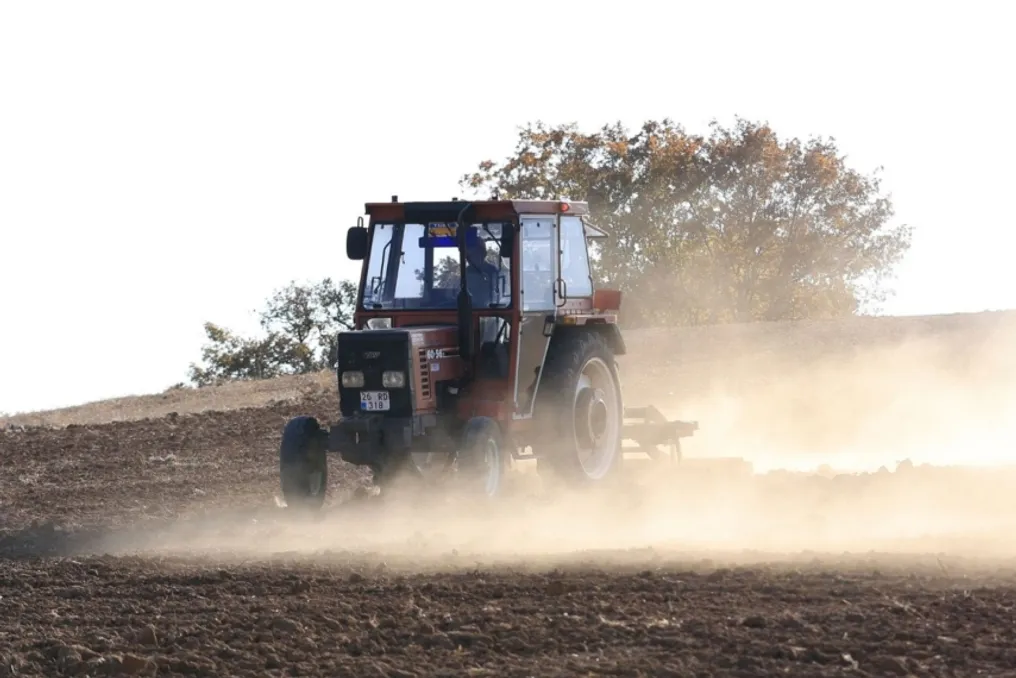
The sharp rise in prices places a serious burden on farmers who use agricultural machinery such as tractors, irrigation systems, and generators that require diesel, gasoline, and electricity to function.
Llewelyn Louw, a poultry farmer in the Free State, explained that the constant increase in operating costs, specifically fuel and electricity prices, affects his farm. He emphasized that electricity is indispensable for heating, ventilation, lighting, and maintaining the health of the poultry, so it cannot be reduced.
Louw noted that any increase in electricity tariffs raises production costs. Fuel is also a major expense because it affects the cost of transporting feed, chicks, and finished products. These increases continue to intensify pressure in a challenging operational environment.
For Simangele Makutu, a vegetable farmer in Bushbuckridge, the greatest pressure comes from rising fuel costs. She stated that as a producer of fresh produce, she needs to quickly deliver her harvest to markets in Bushbuckridge, Hazview, and Mbombela, and the increase in fuel prices leads to losing most of her profit just on transport costs.
Makutu also added that increased wages and fertilizer costs affect her operations. Since fertilizer prices have doubled, she is forced to buy less of it, which reduces the yield. For example, instead of the previous 100 bags of spinach, she harvests only 60–70 bags due to the inability to purchase enough fertilizer. Furthermore, despite wanting to hire more youth from her community, the increase in the minimum wage only allows her to employ two workers instead of four.
Meanwhile, Ngobile Humalo, a poultry farmer from the Northern Cape, shared how she is coping with the high cost of living. She reported that profits have dropped, and they are running the business merely to survive. Due to job scarcity, they had to lay off two employees, which was a painful decision because they could not afford to pay them.
Jabhu Malangu, president of the National Association of African Farmers (Nafu) in Mpumalanga, stated that while South Africa is not immune to global problems, a more proactive approach from the government is required. He insisted on the need to develop specific plans to protect farmers in the country.
Malangu noted that all types of raw materials are struggling to maintain their operations, and some farmers are forced to reduce staff due to an inability to pay salaries. He stressed that a farmer starts their day before dawn, but already faces high costs for diesel, fertilizers, and transportation.
He proposed that the government introduce a temporary and financially justified reduction in the general fuel excise duty during sharp price increases, while simultaneously providing targeted assistance in transport and agricultural resources to low-income households, small farmers, and food distributors. Malangu expressed regret over the upcoming fuel price hike in October, recalling that South Africa previously used temporary fuel excise reductions to mitigate the impact on the population and limit inflationary pressure and rising strain. He concluded that now is the time for practical action, not just declarations, as protecting farmers and the food system will also protect households from inflation, high interest rates, and major hardships.