South Africans Celebrate Heritage Day with National Braai
Read more
CGTN
cgtn.com

South Africans Celebrate Heritage Day with National Braai

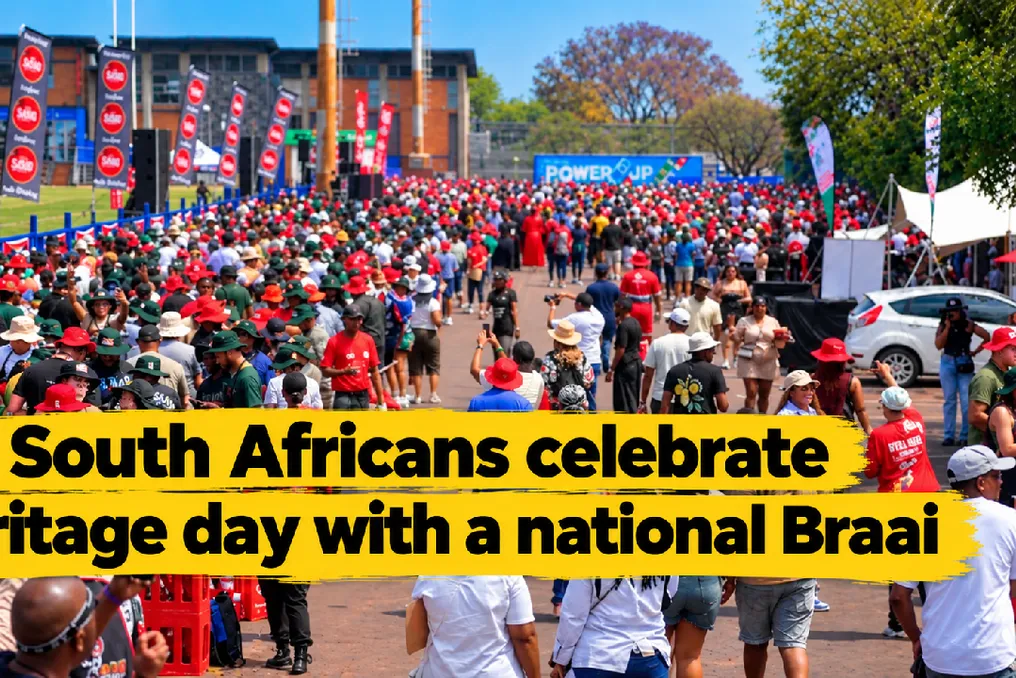
The tradition of cooking meat over an open fire in South Africa spans centuries and remains an integral part of the country's culture. Every year on Heritage Day, celebrated on September 24th, the braai takes center stage as people across the country gather around fires, food, and family.

Jan Braai, who helped launch the National Braai Day 25 years ago, states that this tradition was conceived as a way to provide South Africans with a shared day of celebration. He noted that the goal of this initiative is to create a national holiday for South Africans and those who wish to be South African, comparing it to global examples such as St. Patrick's Day in Ireland or Thanksgiving in the USA.

In Pretoria, about 3,000 people gathered to set a world record for the largest braai. For many, this tradition unites the diverse cultures and languages of South Africa. Celeste Meyerberg, co-owner of Catercom, emphasized that regardless of where a person comes from—be it English, Afrikaans, Xhosa, Zulu, or Sepedi—everyone enjoys the braai, and what matters most is the smell coming from the fire and charcoal.

Furthermore, the braai holds deeper historical significance in the country. During apartheid, when racial segregation limited social interaction, home braais served as places where people could gather and socialize. Today, many South Africans view this tradition as a symbol of unity and Ubuntu. Thus, from its historical roots to modern Heritage Day celebrations, the braai remains a shared tradition that brings South Africans together.

Similar stories

List of Events for Heritage Day 2026 in Johannesburg and Pretoria
Read more
iol.co.za

List of Events for Heritage Day 2026 in Johannesburg and Pretoria

Heritage Day celebrates the uniqueness of South Africa, and in 2026, there are many ways to commemorate it. Johannesburg and Pretoria are turning this national holiday into a large-scale celebration encompassing music, food, fashion, games, running, and traditional kasi culture.

Whether you plan to spend the day immersing yourself in local culture, discovering something new with family, or simply looking for a reason to get out of the house, there will be an activity for everyone on September 24th.

Here are some events worth considering, whether it's biltong and wine tasting, jazz, sphatlho dishes, or cosplay.

Events in Johannesburg

Comic Con Africa 2026

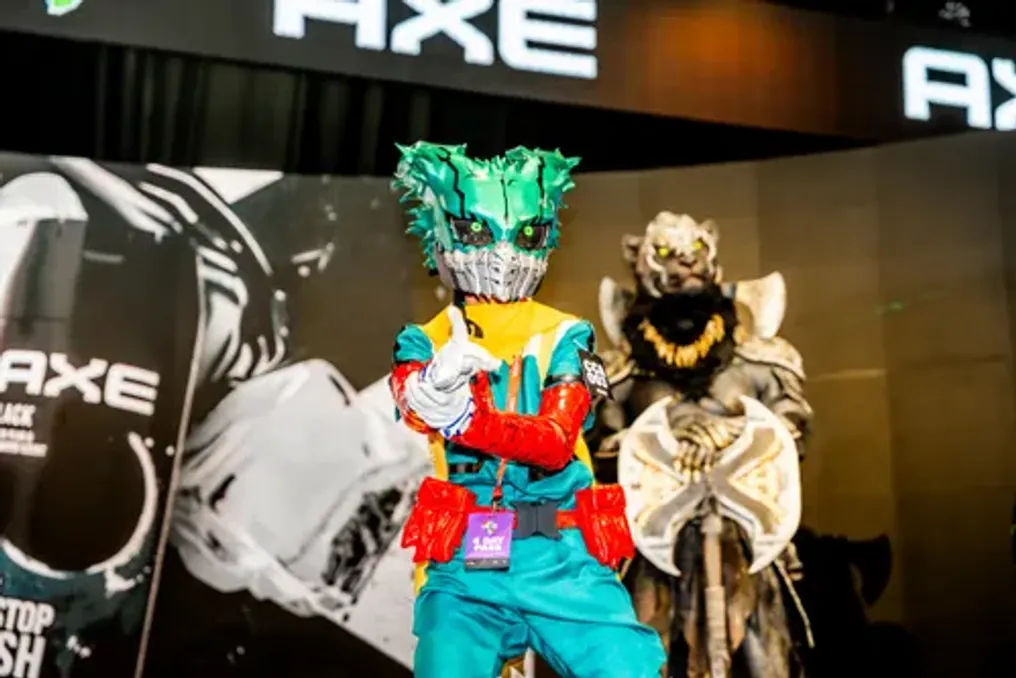
The massive African pop culture festival will take place at the Johannesburg Expo Centre, Nasrec, from September 24 to 27, 2026, daily from 09:00 to 18:00. The festival kicks off on the national holiday and will include gaming zones, esports, cosplay contests, an Art Alley, and appearances by international celebrities. Tickets are required and can be purchased through Comic Con Africa.

HiChai: Heritage Day Edition

This vibrant cultural event is dedicated to food, fashion, tea and cocktails, as well as music and special readings. It will take place on Thursday, September 24, 2026, from 16:00 until late evening, at Modern Tailors located at 189 Oxford Road, Rosebank, Johannesburg. Tickets are available from R150 via Quicket or Dineplan.

Free the Jazz Concert

On Thursday, September 24, 2026, at 10:00 AM at Sandton City, located at 83 Rivonia Road, Sandhurst, Sandton, there will be a free outdoor jazz concert. It is family-oriented and celebrates local talent as part of the Standard Bank Joy of Jazz Fringe event.

Curaprox Run the Greens

We invite you to move after sunset on Thursday, September 24, 2026, starting at 18:30. Registration runs from 17:30 to 18:30. The venue will be Kyalami Country Club at 433 Maple Road, Kyalami AH, Midrand. Participants can run or walk 5 km or 10 km along a scenic route through the golf course. The cost for adults is R120, while for children under 12 and seniors over 60, it is R80.

Heritage Day: Biltong and Wine

On Thursday, September 24, 2026, at 18:30 at Cedar Square, located at Cedar Road, Fourways, Johannesburg, there will be an evening dedicated to South African heritage. This event combines local South African flavors with wine for a relaxed Heritage Day celebration.

Events in Pretoria

Sphatlho Festival

On Thursday, September 24, 2026, from 9:00 to 18:00 at Giant Stadium, Tshwane, Pretoria, one of Pretoria's largest festivals dedicated to kasi lifestyle and culture will take place. The festival will bring together music, local performances, diverse food, and a strong sense of community. Tickets start from R120 and are available through Computicket Box Office.

From jazz and festivals to biltong, sphatlho, and superhero energy, Heritage Day 2026 promises to be a celebration suitable for every resident of South Africa.

Checklist for Celebrating South African Heritage Day
Read more
iol.co.za

Checklist for Celebrating South African Heritage Day

Heritage is reflected in the stories we tell, the traditions we preserve, and the memories we create together. For some South Africans, the feeling of home is associated with familiar music, the smell of barbecue, a family recipe, a Sunday dinner at the table, or the sound of wild birds in the distance.

Angelique Yse van Rensburg, one of the finalists of the Mrs South Africa 2026 competition, believes that heritage is the feeling of being surrounded by loved ones. This is reflected in the way we communicate, the jokes, the support, and daily life, as well as the feeling of coming home. Angelique Yse van Rensburg highly values family traditions that unite generations.

Gather Around the Table

A family meal can become a tradition without a formal announcement. Several Mrs South Africa finalists shared their views on the importance of shared meals. Megan Kaister recalls family dinners as a time for conversation and sharing stories, while Angelique aims to continue the tradition of family breakfasts and dinners. On this Heritage Day, it is worth setting aside time for a meal that is often postponed. Put away phones and spend more time at the table.

Megan Kaister is convinced that shared experiences create memories worthy of passing on.

Light the Barbecue Fire

A South African celebration would be incomplete without a barbecue. The finalists repeatedly mentioned barbecue, including boerewors, steak, ribs, braaibroodjies, and potato salad. Behind these dishes are the people who make the celebration unforgettable: the family barbecue master, the grandmother with the legendary recipe, or the person insisting on the best marinade. The essence here is not the perfect menu, but bringing people together.

We should not forget the four-legged members of the family. Angelique notes that in her family, dogs are treated like children, and Karika Beb describes pets as a source of unconditional love. For Aleche Landman, growing up surrounded by animals also meant learning responsibility and care for nature. Therefore, it is worth adding treats for beloved pets and lots of affection to the checklist.

Create a Memory Worth Passing On

The finalists spoke about the values they hope to see in the next generation: kindness, dignity, hard work, humor, resilience, and responsibility. These qualities are formed in everyday moments—through how we treat people and care for the places we call home. Heritage is also what we choose to continue doing. It could be a Sunday tradition or a story told again and again.

Aleche Landman highly values the lifelong connection with nature and animals. Mrs South Africa 2026 promoter and advocate for Soft Landings, Dotsure, believes that the most valuable thing in us is reflected in how we care for everything we hold dear. Although Heritage Day may fall on September 24th, there is no reason for the entire checklist to fit into one day. Brew tea, light the fire, call family, let the dog onto the couch. Then create memories worth inheriting.

Durban Food Heritage Festival Showcases Dishes Reflecting the History of Indian Experience in South Africa
Read more
iol.co.za

Durban Food Heritage Festival Showcases Dishes Reflecting the History of Indian Experience in South Africa

Traditional cuisine will be the central theme at the Food Heritage Festival, which takes place at the 1860 Heritage Centre on Saturday, September 12th. The event will bring together Durban families to celebrate the tastes, memories, and cultural traditions shaped by the experience of Indian indentured labourers in South Africa.

The festival, held at 1 Derby Street, Greyville, will feature demonstrations of old dishes, live cooking shows, and entertainment. Among the participants in the cooking workshops are Tigam Natu and Solina (Mudli) Naidu, who will share recipes based on personal family experiences. This event is part of the Centre's efforts to preserve the history and heritage of South Africans of Indian descent.

Stories Through Cuisine

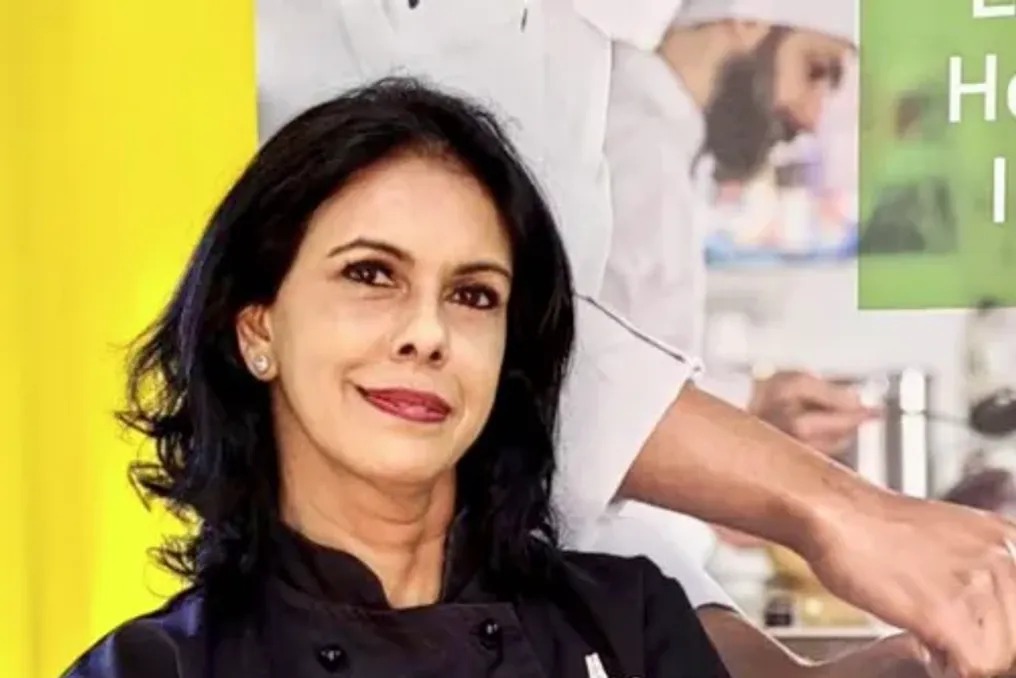
For Tigam Natu, food was an integral part of family life from an early age. She recalls becoming her mother's assistant in the kitchen, participating in kneading, whipping, chopping, and stirring. A special memory for her comes from preparing for Diwali, when she and her sister helped dye almonds, mix filling for poli, and roll soji vaurande in hot syrup. These early lessons contributed to her lifelong love of cooking. Later education in hospitality and hotel management expanded her skills from preparing individual portions to cooking for large groups.

Natu's culinary journey took on a Gujarati flavour after marriage, as her mother-in-law introduced her to a new range of dishes and mithai. At the festival, she will present Gujarati Banana Curry and Bajji—a dish that initially seemed unusual due to the combination of ripe banana with spicy tomato chutney, mint leaves, and a gram flour base. For Natu, this dish carries a strong family memory, as it was a favourite at weekly family dinners at her mother-in-law's home.

Evolution of Culinary Traditions

Solina Naidu's culinary journey also began at home, in the kitchen of her mother and three 'perimas' in Chatsworth. At the festival, she will demonstrate her Perima's Chicken and Lentil Curry in Durban style. Like Natu, Naidu's culinary skills developed in a home setting, among women who cooked mostly intuitively rather than from written recipes. By the age of 12, she could already cook some classic Indo-South African dishes independently.

Her main mentors were her mother and three aunts—her 'perimas,' who ultimately inspired the story of Perima's Kitchen, through which she seeks to preserve the knowledge and flavours passed down through generations. Naidu wants to show how small, thoughtful changes can start with familiar and beloved ingredients. However, for her, food is more than just ingredients; she remembers how her love for fish curry began during a family vacation in Spiopenkop, when her uncle Kessi cooked it over a fire. For her, the power of food lies in how scent or taste can connect a person to a person, a place, and a memory.

This connection is central to the broader story of heritage. Selvan Naidu, Director of the 1860 Heritage Centre, describes kanjikerai (rice porridge and wild greens) as a marker of acculturated identity, demonstrating how Indian indentured communities adapted their culinary traditions to the living conditions in South Africa. Indentured labourers integrated locally available ingredients into their cuisine, creating traditions that reflected both their Indian origins and the new African environment. Dishes featuring ingredients such as maize meal, amadumbe, dried fish, and local herbs became part of the evolving Indo-South African dietary culture. The resulting cuisine tells a story of migration, adaptation, resilience, and cultural exchange.

Solina Naidu believes that preserving this history requires the active participation of modern families. She emphasizes that 'our food tells the story of our origins,' and that South African Indian cuisine carries stories of migration, resilience, adaptation, family, and community. The Food Heritage Festival provides visitors with an opportunity to experience this history through food, and the program also includes tours of the Centre's exhibitions and artifact room.

Tigam Natu advises that perhaps one simple ingredient should never be excluded from any recipe—the chef's state of mind. She warns: 'Do not cook if you are in a bad mood. It definitely affects the food.'

Popular