Uzbekistan and China Expand Cooperation in Meteorology and Weather Forecasting
Read more
UzDaily
uzdaily.uz

Uzbekistan and China Expand Cooperation in Meteorology and Weather Forecasting

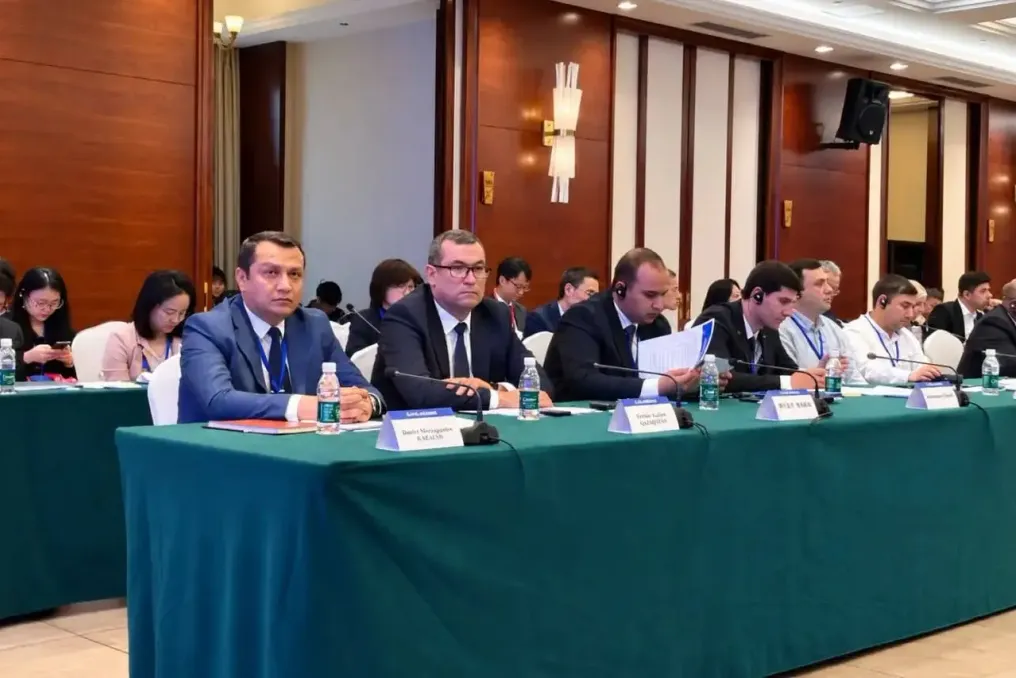
Uzbekistan and China intend to deepen their interaction in the fields of hydrometeorology, digital forecasting, and early warning systems for natural hazards. These issues were discussed at the Second Forum on Meteorological Cooperation between China and Central Asia, held in Urumqi from September 21 to 23.

Participants included Farrukh Sattarov, Director of the National Center for Climate Change under the National Committee on Ecology and Climate Change, and Doniyor Turgunov, Director of the Institute of Hydrometeorological Research. Representatives from meteorological services of Central Asian and Chinese countries, the World Meteorological Organization, as well as scientific institutions and universities, were also present.

Participants focused on developing regional cooperation in hydrometeorology, modernizing observation and early warning systems, data exchange, and applying artificial intelligence and satellite information technologies.

A specific part of the discussions was dedicated to improving the accuracy of forecasts for extreme weather phenomena such as sand and dust storms, droughts, severe heat, heavy precipitation, and floods.

Within the framework of the Central Asian Meteorological Symposium, the Uzbek side presented priority directions for cooperation with China and other countries in the region for the period 2026–2027. One of the key areas was the implementation of modern digital solutions for rapid forecasting of dangerous weather events.

In particular, the parties discussed the possibility of localizing and adapting the Chinese MAZU system in Uzbekistan. This intelligent platform uses artificial intelligence technologies, satellite data, and other meteorological sources to forecast hazardous events and generate early warnings.

The Chinese side presented a plan to implement MAZU in Central Asian countries during 2026–2027. Uzbekistan is considering adapting this platform to national conditions and the needs of hydrometeorological monitoring, with a particular focus on forecasting sand and dust storms, droughts, severe heat, heavy precipitation, and floods.

Following the negotiations, the parties agreed to continue cooperation among specialists from the two countries on the technical adaptation and integration of modern early warning systems. This work plans to assess necessary technical solutions, including server infrastructure, data exchange, and the integration of new tools with the national hydrometeorological system.

The development of agrometeorology will be another area of joint work. The parties plan to study China's experience in crop condition monitoring, assessing thermal and drought stress, irrigation planning, and providing timely warnings about adverse weather conditions.

The use of modern methods for analyzing meteorological and satellite data can contribute to more effective management of agricultural resources and timely decision-making in the context of climate risks.

The forum also paid great attention to scientific cooperation in the field of desert meteorology, sand and dust storms, climate modeling, and disaster forecasting. A working meeting was held with the leadership of the Institute of Desert Meteorology of the China Meteorological Administration. Following the meeting, the parties agreed to consider preparing and implementing joint research projects.

A promising direction is the exchange of scientific knowledge and technologies regarding processes affecting the formation of sand and dust storms, which is a relevant problem for Central Asia.

Another area of cooperation relates to the company ZOGLAB from China, which specializes in equipment for meteorological observations, environmental monitoring, and calibration of measuring instruments. The Chinese side offered to provide Uzbekistan with a sample of measuring equipment for testing and to consider options for equipping the national calibration base with modern measuring instruments, including a mobile calibration laboratory.

It is expected that the development of modern observational infrastructure, digital forecasting tools, and early warning systems will improve the quality of hydrometeorological information and expand Uzbekistan's capabilities for prompt response to natural phenomena and climate risks. The cooperation between Uzbekistan and China in this field aims at developing modern technologies, exchanging experience and data, strengthening scientific and technical potential, and increasing the resilience of Central Asian countries to the consequences of climate change.
Similar stories

Uzbekistan and China agree to expand transport cooperation
Read more
uzdaily.uz

Uzbekistan and China agree to expand transport cooperation

The Ministry of Transport of Uzbekistan reported that Uzbekistan and China have reached an agreement on further steps to strengthen interaction in the transport sector. The discussion took place during a meeting in China.

Discussion on the development of international transport and air services

The Minister of Transport of Uzbekistan, Ilhom Makhamov, and the Minister of Transport of China, Liu Wei, discussed the development of international road and air transport between the two countries. The parties reviewed opportunities to increase the volume of road freight transport, improve conditions for national carriers, and enhance the efficiency of logistics and transport links.

Particular attention was paid to civil aviation. The participants in the negotiations spoke about the need to increase the number of flights between cities in Uzbekistan and China, expand the route network, and create new opportunities for passenger and cargo transportation.

Signing of a Protocol on Amendments and Additions

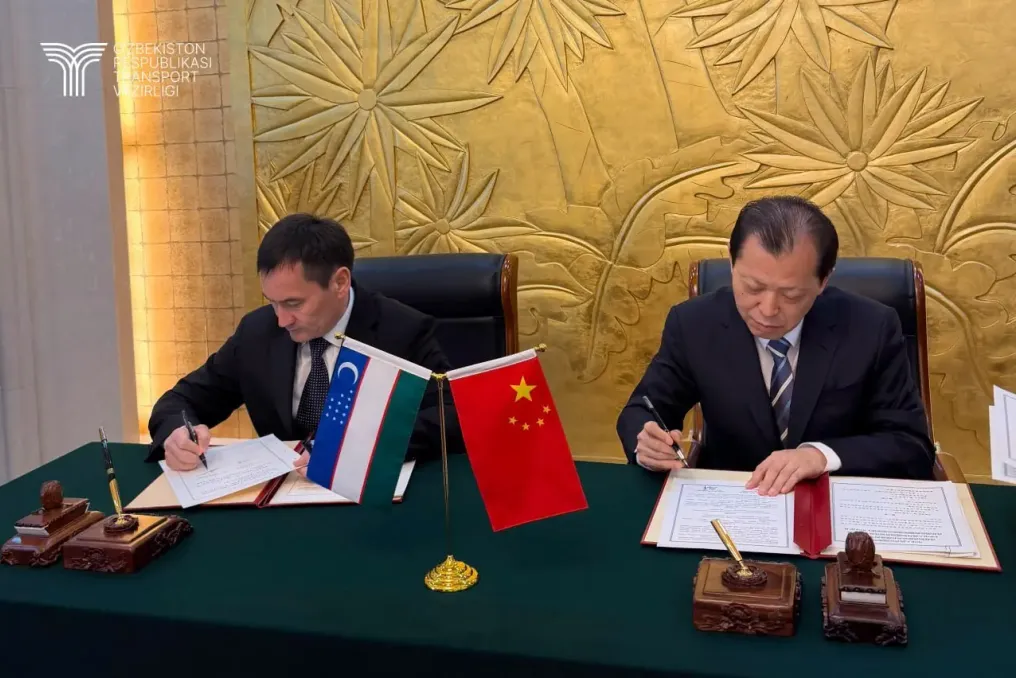
Following the conclusion of the meeting, the parties signed a Protocol on amendments and additions to the Agreement between the governments of Uzbekistan and China regarding international road transport. This document is intended to improve the legal framework for cross-border road transport and create additional conditions for its development.

It is expected that the implementation of this protocol will open up new prospects for carriers from both countries, increase the efficiency of existing transport routes, and reduce administrative barriers. Furthermore, the document should contribute to increasing bilateral and transit cargo flows.

The parties also emphasized the importance of transport cooperation for forming international corridors connecting China with Central Asia and other regions. In conclusion, Uzbekistan and China reaffirmed their interest in continuously expanding practical cooperation and agreed to continue joint work on implementing the agreements reached.

Uzbekistan and Germany plan to expand cooperation in ecology and climate change
Read more
uzdaily.uz

Uzbekistan and Germany plan to expand cooperation in ecology and climate change

According to the National Committee of the Republic of Uzbekistan on Ecology and Climate Change, Uzbekistan and Germany intend to deepen interaction in the field of environmental protection and combating climate change by launching new joint projects.

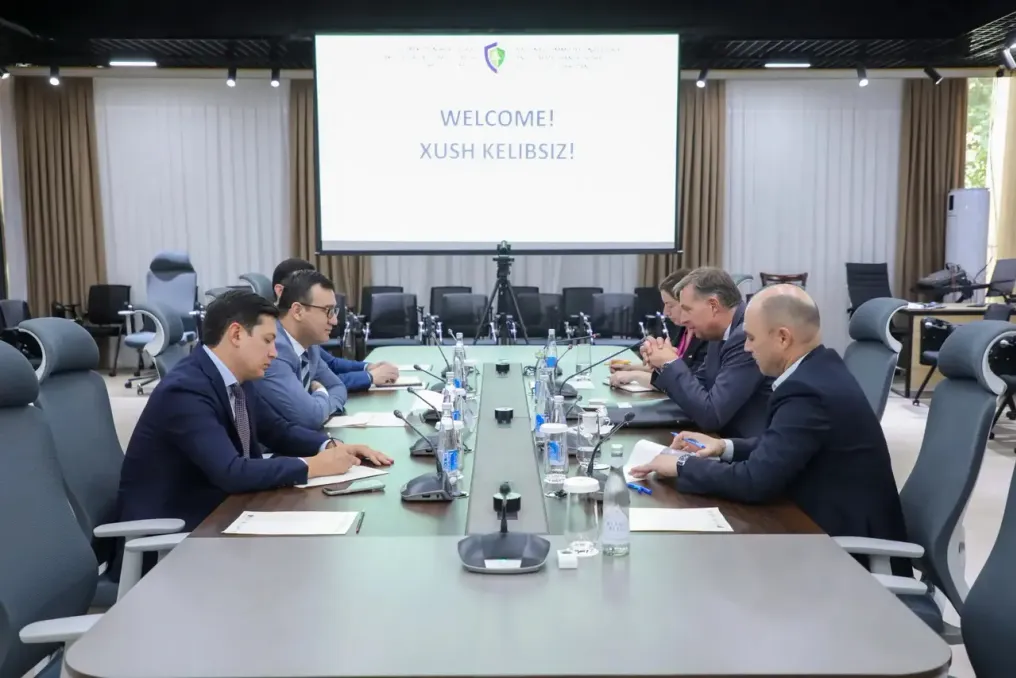
The discussion took place between Iskandar Kutbidinov, Deputy Chairman of the National Committee, and Stefan Maier, a member of the German Bundestag and the Foreign Affairs Committee. The parties reviewed issues of cooperation within regional programs, environmental monitoring, biodiversity conservation, as well as scientific and educational interaction.

Representatives of Uzbekistan presented current environmental reforms and state policy priorities, which include improving air quality, preserving biodiversity, improving waste management, strengthening environmental protection measures, and developing environmental education.

Particular attention was paid to the GIZ Green Central Asia initiative and the ILUCA regional program. In these areas, the parties proposed implementing practical projects, exchanging technologies, and jointly training specialists.

Uzbekistan also proposed launching a pilot project for digital monitoring of specially protected natural areas using SMART patrolling technologies, camera traps, geographic information systems, and artificial intelligence.

Furthermore, cooperation with German expert and scientific organizations was discussed for protecting saiga migration routes and attracting technical and methodological support.

In the field of education, the parties proposed expanding partnerships between Green University and German universities and scientific structures, organizing joint summer schools and exchanges of teachers and students, as well as conducting joint research. Another initiative involves increasing instruction in German at 14 technical colleges affiliated with Green University.

Stefan Maier expressed his readiness to facilitate contacts with German partners and support the creation of German-language centers and classrooms in technical colleges. The parties agreed to develop expert exchanges in environmental regulation, certification, standardization, implementation of best available technologies, circular economy, and waste management.

It was also proposed to increase the participation of German companies and scientific organizations in the international exhibition Eco Expo Central Asia 2027, scheduled to be held in Tashkent. At the end of the meeting, the parties agreed to continue joint projects within the GIZ programs, expand cooperation in digital monitoring, scientific and educational activities, and develop partnerships in green technologies.

Popular