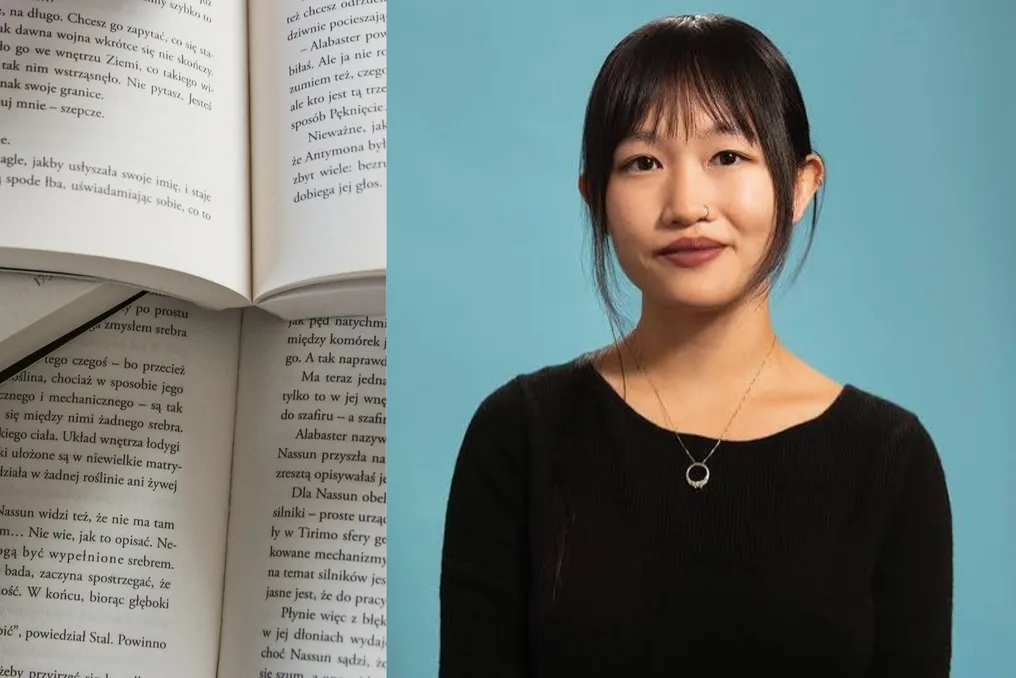
R.F. Kuang is recognized as one of the most interesting literary figures of her generation. Whether she writes fantasy, historical fiction, or satire, her works constantly explore contradictions. Her characters often find themselves in situations where they must balance cultures, identities, aspirations, and moral choices. Instead of trying to resolve these internal conflicts, Kuang embraces them, showing readers that life is rarely simple, and the most significant insights often arise from the coexistence of opposing truths.
In books such as 'Yellowface,' 'Babel,' and 'The Poppy War,' her work encourages readers to question simple answers and accept complexity. The author demonstrates that human experience is multifaceted, and beauty can lie in the tension between opposing ideas.
One quote states: 'Truth is fluid; there is always another way to tell a story.' This thesis emphasizes that stories are shaped by perspective, and truth is rarely obvious. Different people can experience the same event but come to completely different conclusions. Kuang urges readers to see this not as a problem, but as the complexity of human existence.
Another quote, 'Fire and water looked so sweet together. It's a pity they destroyed each other by nature,' perfectly illustrates contradiction. Fire and water symbolize fundamentally opposite forces that, nevertheless, create a vivid image when presented together. This phrase reflects relationships, ambitions, and dreams that can be beautiful precisely because they cannot be sustained.
From the book 'Babel,' an observation emerges: 'But this is the great contradiction of colonialism. It is built to destroy what it values most.' This remark touches upon one of Kuang's constant themes: systems often undermine the very values they profess. The quote prompts the audience to analyze the contradictions embedded in institutions, power structures, and history itself.
Kuang also notes that 'Languages consist not only of words. They are ways of seeing the world.' Language simultaneously connects and divides people, facilitating communication while revealing differences in culture, history, and self-awareness. Kuang's words remind us that every language contains a unique approach to understanding reality, being both complete and incomplete.
Regarding creativity, the author asserts: 'Writing is the closest thing to real magic we have.' Writing is both a deeply personal and a highly communal process. Authors create worlds from imagination, yet these worlds only gain meaning when readers engage with them. This quote reflects the central contradiction of narrative: the fictional can feel more emotionally true than reality.
Finally, the quote 'War does not determine who is right. War determines who remains' offers a heavier view of history. People often portray history as a chronicle of the triumph of justice, but Kuang questions this simplified picture. Survival and victory are not always proof of moral righteousness, and this prompts readers to question the narratives presented by history.
What makes R.F. Kuang's writing memorable is her refusal to offer simple solutions. Her works acknowledge that people can be simultaneously vulnerable and ambitious, that institutions can both create and destroy, and that truth often encompasses multiple viewpoints at once. Through these contradictions, she reveals a deeper understanding of what it means to be human. These quotes remind us that life is not defined by certainty; sometimes beauty lies in the tension between opposing ideas, and wisdom comes from the ability to hold them simultaneously.