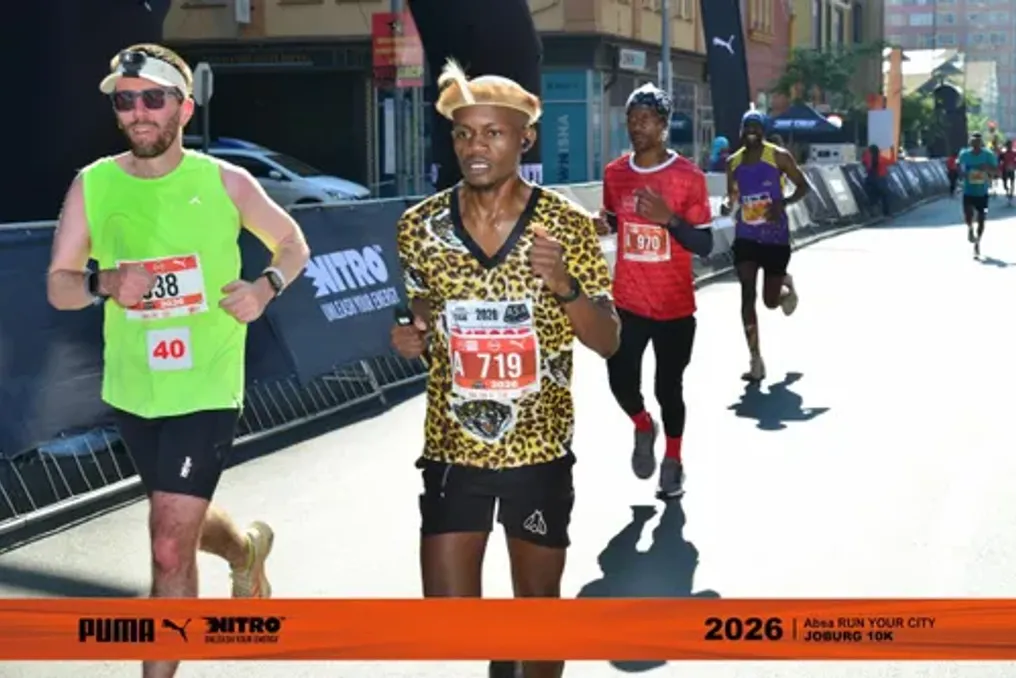
After Michael Sherman from IOL Sport failed to reach his target pace of under 40 minutes in the Tshwane 10k race, he decided to use artificial intelligence to revamp his training plan. However, he discovered that digital support cannot replace physical conditioning.
Initially, after barely reaching his time goal of under 40 minutes at the Tshwane 10k on August 23rd, despite restroom issues, he decided to try a new approach when preparing for the Absa Run Your City Joburg 10k race on September 24th Heritage Day. Instead of relying solely on his usual routine, he began having detailed and intensive conversations with his AI assistant, Google Gemini, to guide his preparation.
The situation changed when he caught the flu two days after the Tshwane race. Being sidelined, feeling unwell, and having little to do, he started asking Gemini questions about how long he should wait before resuming running. He was already concerned about a decline in his fitness and whether he would be ready for the next starting line.
About four days later, he returned to running and continued consulting Gemini regarding training schedules, mileage distribution, and when it was safe to start intense workouts. This quickly escalated into requests for the AI to create complete weekly training plans and schedule specific sessions directly into his calendar.
Although he tried one workout he usually wouldn't, the overall plan was overly cautious. He has a chronic old injury that often flares up, and his responses likely led Gemini to adopt an excessively conservative approach. Much of the preparation felt too light, and Gemini increasingly acted as a supportive echo chamber, telling him exactly what he wanted to hear to boost his confidence.
Ultimately, achieving goals in a race depends on serious physical preparation, and creating an encouraging narrative will not change the result on the track. On the Joburg race day, he was simply not physically prepared for the load. Although the day was hot and the first 4 kilometers were very tough, he felt completely exhausted early on, even without exerting maximum effort. This immediate fatigue showed him that he was genuinely undertrained, not just battling high temperatures and a challenging course profile.
Now that there are six weeks until his next race, he wants structured time to conduct solid, continuous training blocks. Moving forward, he plans to revert to what his 25 years of running experience taught him, which works best for his body. He may consult Gemini for occasional advice or quick facts, but he will no longer rely on it to this extent. Gemini offered pleasant moral encouragement but left him completely unprepared where it mattered most: true physical readiness.