The author notes that traditions like Heritage Day and National Braai Day provide families with an opportunity to critically examine those aspects of their heritage that no longer serve them, including the pressure associated with the concept of 'family honor,' which affects the lives of many women.
Despite the rich significance of heritage, it gains greater strength when we allow it to evolve. By choosing honesty over silence, equality over expectations, and dignity over reputation, we create a legacy that truly honors everyone. The author hopes that during this month of heritage, people will celebrate not only the past but also the future—a movement towards families that support women, communities that protect them, and traditions that evolve from love, not fear. After all, honor should never cause pain, and heritage should not restrict.
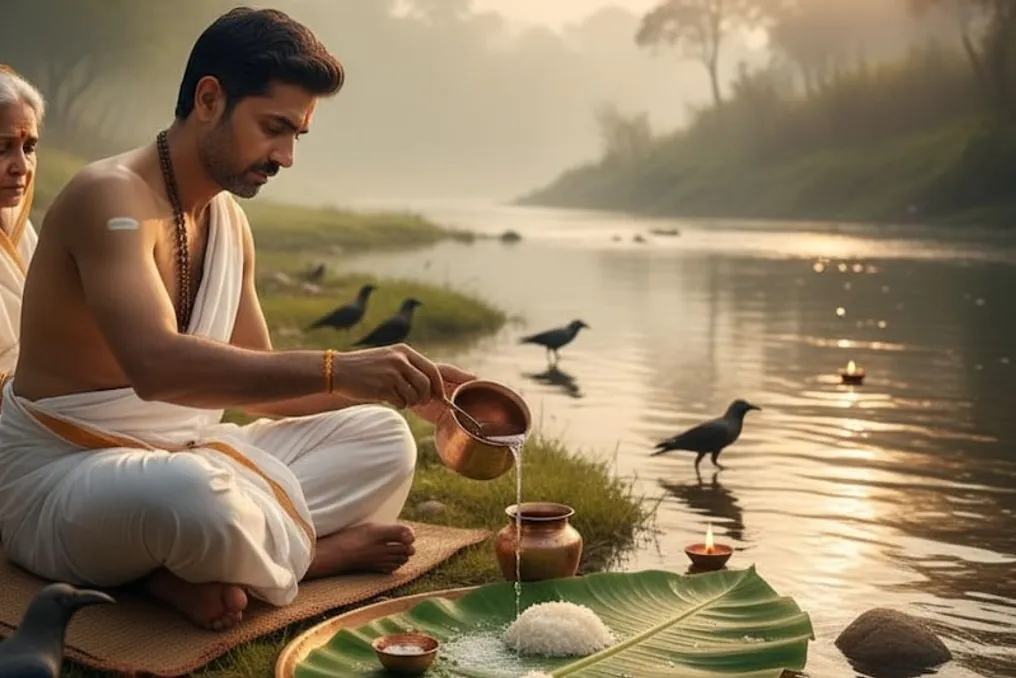
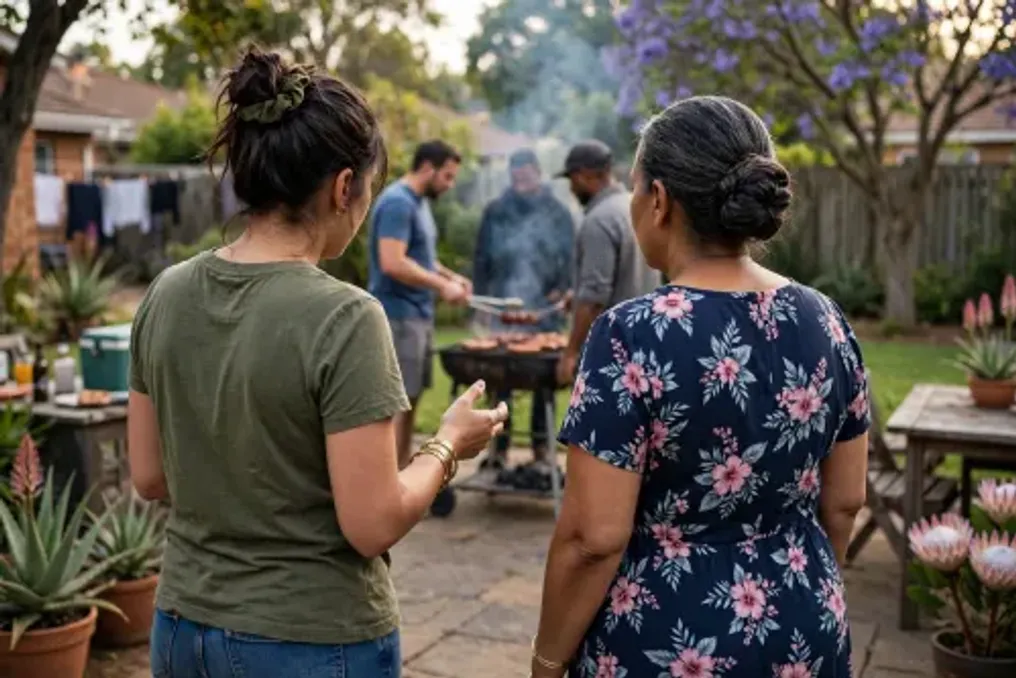
In the homes of South African Indian residents, there is often an atmosphere combining the smoke from the braai and the steam from biryani, with old music playing in the background, and cousins bringing treats in foil dishes. This day serves as a reminder of roots and how traditions have helped us get through a lot.
However, Heritage Day and the popular tradition of National Braai Day offer time to pause and honestly review parts of our heritage that have become obsolete. Based on her experience as a human rights lawyer working with women and families, the author has observed how one quiet, unspoken idea shapes the lives of many women—the pressure of 'family honor.'
This is not a topic for open discussion; no one sits down with a daughter and tells her, 'Your choice must protect our reputation.' Nevertheless, this message is present in comments, expectations, and silence. It manifests when a woman is advised to stay in a difficult marriage because 'people will talk.' It arises when mothers refrain from reporting abuse for fear of 'shame.' It is present when daughters are strongly advised to forgive deeply hurtful behavior simply because 'we do not bring family problems into the public eye.'
Over the years, women have approached me who quietly carry this burden. One young woman shared that she wants to leave an emotionally abusive marriage but fears judgment from her community. Another felt trapped between her own safety and her parents' reputation. A mother once confided that she endured years of mistreatment because she did not want her children to grow up hearing that their family had 'failed.'
These stories are not isolated; they are whispered versions of the same theme: a woman's dignity becomes a bargaining chip to preserve the family image. As a specialist who works daily with the Domestic Violence Act, the Children's Act, and constitutional rights to equality and dignity, I often see how cultural pressure can outweigh legal protection. Women tell me, 'I know I can get a protection order, but I don't want to disgrace my family.' Others assert, 'I know the law is on my side, but I don't want to be the one who disrupts the peace.'
The law provides women with tools, but culture sometimes denies them permission to use them. I have seen women remain in marriages that completely exhaust them. And it is not a lack of courage, but the fear of being branded as disrespectful or ungrateful. I have encountered daughters who were told to 'adapt' or 'endure' behavior that undermines their self-confidence. I have seen mothers carrying the emotional weight of entire households, smoothing over conflicts and accepting criticism because they feel it is their duty to maintain peace.
One woman told me, 'I feel like the glue holding everyone together, but no one notices when I crack.' These words stuck with me because they reflect the truth that many women live in silence: the emotional labor of maintaining family harmony often falls solely on them.
The pressure to present an ideal life—marriage, home, and children—has intensified with the rise of social media. In my work, I have noticed how extended families use WhatsApp groups to criticize, compare, or humiliate others. I have witnessed the escalation of disputes as gossip spreads faster than facts. I have also seen women subjected to cyberstalking by relatives who believe they have the right to comment on their lives. In some cases, I have explained to clients that certain forms of harassment by family members, including behavior falling under South Africa's stalking laws, can have legal consequences, even if it occurs within a so-called 'family group.'
Such behavior is not part of heritage; it is surveillance disguised as care. This inequality is exacerbated by the fact that 'family honor' is rarely a collective responsibility. Men are not subjected to the same level of scrutiny for their mistakes or decisions. On the contrary, women are expected to uphold the family's reputation through silence, self-sacrifice, and self-control. Thus, honor becomes a burden primarily carried by women.
Nevertheless, honor should not demand self-abasement from women, and heritage should not demand silence from them. Heritage Day, celebrated whether around a braai or at the dinner table, offers an opportunity to rethink the values we wish to pass on. We can preserve the positive aspects of our culture—its food, music, spirituality, and resilience—while refusing to perpetuate harmful traditions. We can teach our daughters that their worth does not depend on obedience or endurance. We can teach our sons that respect is shown through compassion, not control. We can show our families that dignity should never be exchanged for acceptance.
We must also remember that the Constitution, which forms the foundation of our democracy, guarantees women's rights to equality, dignity, freedom, and personal security, including protection from violence. These rights are neither Western ideas nor recent innovations; they are an integral part of our national heritage.
On Heritage Day, let us celebrate not only our past but also our future. Let us work towards families that support women, communities that ensure their safety, and customs that grow from compassion, not pressure. If honor requires silence or suffering, it is no longer honor. Heritage must liberate us, not constrain us.
It is also important to remember that the Constitution, which is the foundation of our democracy, protects women's rights to equality, dignity, freedom, and personal security, including protection from violence. These rights are neither Western ideas nor recent innovations; they are part of our national heritage.