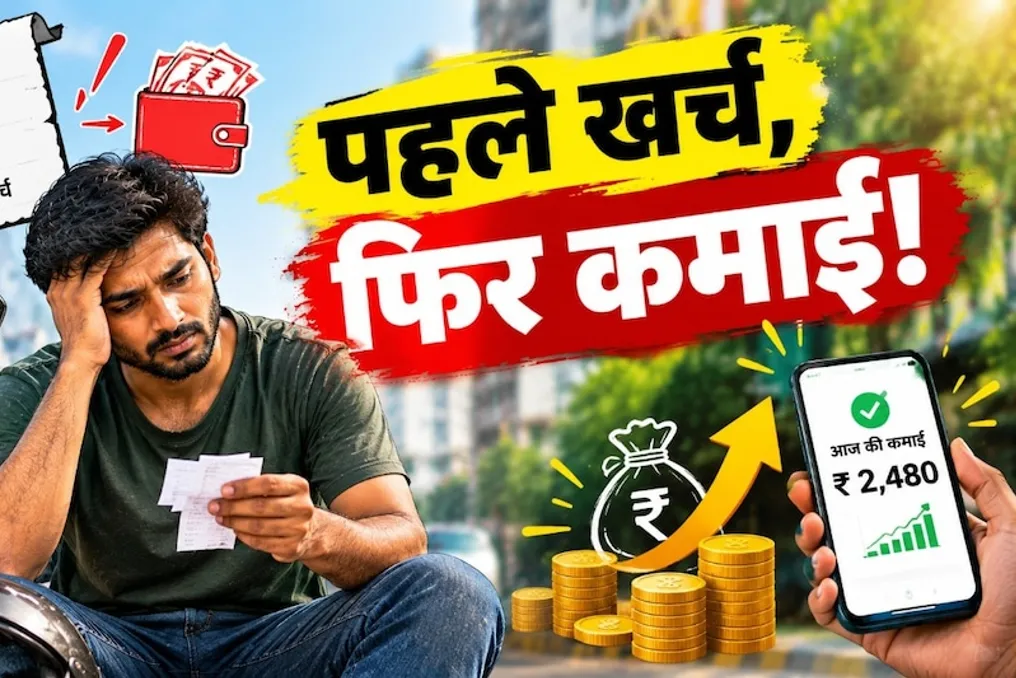
Expenses a Courier Incurs Before Receiving First Payment
Read more
Aaj Tak
www.aajtak.in

Expenses a Courier Incurs Before Receiving First Payment

If you are considering becoming a courier to earn a small income or to complete urgent tasks, it is important to understand that it is not as simple as it seems. Before joining any platform, you must consider not only the potential earnings but also the associated costs.

Various expenses may arise when signing up for services, such as commissions, starter kit costs, security deposits, vehicle expenses, smartphone, and insurance. Some of these amounts will have to be paid upfront, while others may be deducted from earnings in installments or as write-offs. Furthermore, any losses or fines related to orders can affect your income. We will try to explain this process in simple terms.

When working with companies like Zepto, Blinkit, Rapido, or Big Basket, there may be an adaptation or training fee charged. For example, in Swiggy, this fee can reach approximately 1500 Indian Rupees depending on the city, and it is deducted from earnings in installments. Zepto also charges a fee for training and adaptation. Some platforms may also require a subscription fee for platform access.

You have probably noticed that couriers often use the company's branded clothing, bags, or helmets. You must also account for the costs of such branded products and the starter kit. A fee may be charged for receiving items such as a company bag, T-shirt, or raincoat, or it may be compensated from your earnings.

Some companies require a refundable deposit upon registration. This amount is also deducted from your income in installments, but it is returned when you cease cooperation with them.

These expenses also include transportation costs. If you do not have your own vehicle, you will have to pay for the rental of a motorcycle, e-bike, or bicycle. You also bear the costs of maintenance and operation of your transport. Additionally, there are costs for obtaining a valid driver's license, registration card, insurance, and an emissions certificate. If you have any old unpaid fines, you will have to cover those costs separately.

Having a smartphone is essential for working as a courier, and you must pay for your own tariff plan or internet. Insurance and personal expenses are also part of this job. This includes costs for accident insurance policies and medical insurance.

Any mistake can deal the biggest blow to any courier. If an order is lost, stolen, or damaged due to your fault, compensation or a deduction may be made from your earnings.

Overall, before becoming a courier, it is crucial to take into account expenses such as adaptation fees, starter kits, deposits, transport, documents, smartphone, insurance, and possible deductions in advance.
Similar stories

Possibility of working as a part-time courier and potential income
Read more
www.aajtak.in

Possibility of working as a part-time courier and potential income

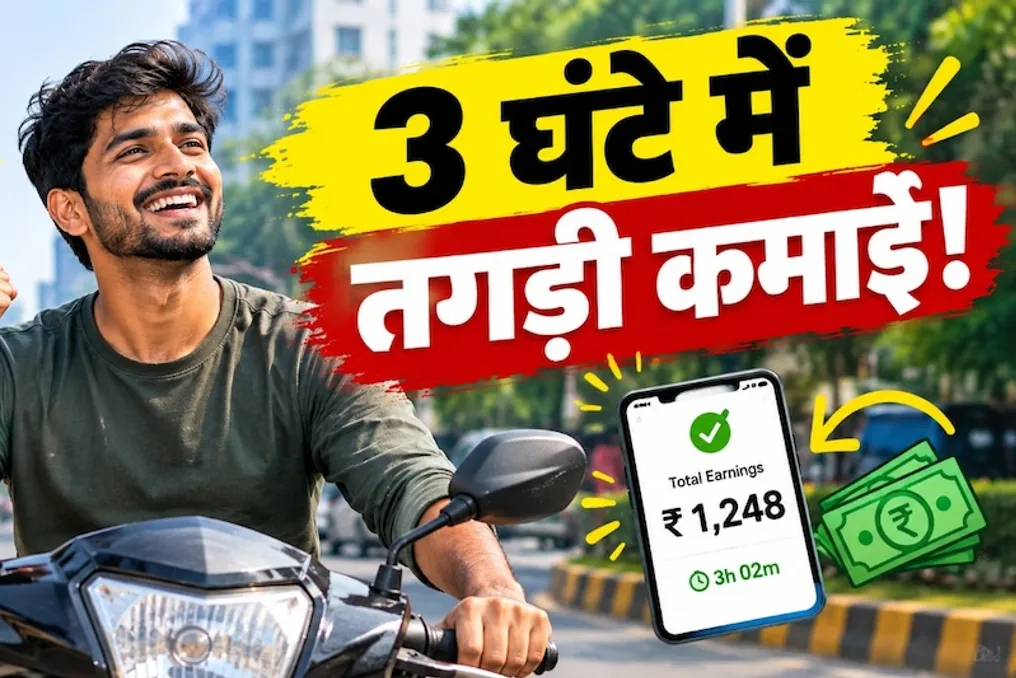
Many have heard of couriers or drivers who work after office hours or on a part-time basis. Questions arise about the advantages of this work format and whether there are any rules requiring a fixed number of hours per day. These doubts can be dispelled.

Platforms that offer part-time courier work or gig work set their own rules in advance. The most important thing is that the worker determines when, how long, and where they want to work. Thus, there is no need to work seven days a week for 10-12 hours.

However, part-time work can affect earnings because on platforms such as Swiggy, Zepto, Uber, and Snabbit, income depends on the city, the established distance, time, number of orders, demand, traffic, weather, and customer rating. Additionally, information is provided regarding working hours, payment methods, insurance, commissions, and required documents.

There is no fixed amount that can be earned per month, but Swiggy offers the possibility of earning up to ₹30,000 per month when working both full-time and part-time. It is also mentioned that an expert on Snabbit can earn up to ₹45,000 per month. Companies like Swiggy, Zepto, and Uber usually pay earnings weekly directly to a bank account.

Consider an example: Rohit works for a company in Noida. His shift ends at 5:00 PM. If he wants to work extra hours after office on the Rapido/Zepto platform or similar, he can select a time slot in his mobile application, for example, from 6:00 PM to 9:00 PM. During these three hours, he can receive orders, and after that, they will stop coming in. Weekly payment from the company is based on the number of completed orders during this period.

Comparison of Benefits: Courier Delivery vs. Ride-Sharing Driver in India
Read more
www.aajtak.in

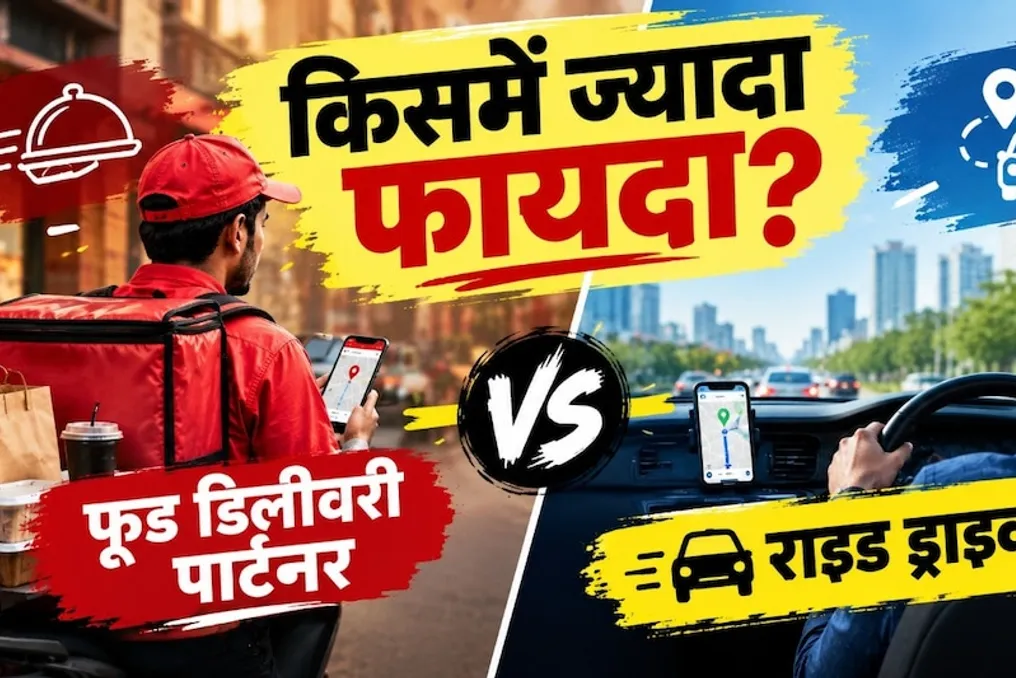
Comparison of Benefits: Courier Delivery vs. Ride-Sharing Driver in India

The gig economy is rapidly developing in India, offering young people two main ways to earn money using two-wheeled transport. The first option is to become a delivery partner for companies like Swiggy and Zepto. The second is to work as a driver for ride-sharing services such as Uber and Rapido.

Although both jobs may seem similar at first glance, they differ significantly in terms of income, risks, and convenience. Differences appear in the requirements for vehicles, documents, payment systems, initial costs, and work environment. A detailed comparison is provided below to help in making a decision.

When choosing a delivery courier, there is great flexibility. Even if you do not have a motorcycle or a driver's license, you can become a delivery partner at Zepto or Swiggy using a bicycle, e-bike, or a rented e-bike. For this role, a driver's license (DL) or registration certificate (RC) is not mandatory.

In the ride-sharing sector, however, a commercial or valid driver's license, vehicle registration certificate (RC), insurance, and a background check are required for passenger transport.

The payment system at Swiggy and Zepto depends on distance, time, traffic conditions, weather, and customer rating. Additionally, there are special programs, such as bonuses for every 15 orders or extra payments in bad weather.

The situation is different in ride-sharing. In Uber and Rapido, drivers earn income based on a base rate per kilometer, as well as on the pickup or drop-off distance. Drivers directly benefit from dynamic pricing (surge pricing) during peak hours or in the rain, and any tips also remain with them.

There are differences in onboarding and equipment costs. When registering for delivery, an initial fee for a bag, T-shirt, and jacket must be paid, which amounts to about 1500 Indian Rupees. This amount is then deducted from weekly earnings after starting work.

In ride-sharing, drivers must provide two helmets themselves—one for themselves and one for the passenger—or purchase them at the onboarding center.

Differences are also observed in the working environment and safety issues. Delivery only requires delivering goods or parcels, which reduces the likelihood of direct conflicts with customers. In ride-sharing, safety risks can be higher due to passenger behavior, low ratings, and night shifts. Nevertheless, Uber provides features such as an SOS emergency button and trip insurance.

Thus, both options are open for choice. If you do not have a driver's license or a motorcycle, becoming a delivery courier is a simpler and safer choice. However, if you have your own motorcycle, a driver's license, and experience transporting passengers in traffic, you can earn a higher daily income with Uber or Rapido thanks to dynamic pricing and bonuses.

Popular