According to a statement from the National Institute of Meteorology and Geophysics of Angola (INAMET), global climate phenomena are influencing oceanic-atmospheric conditions in the country and the forecast for the 2026-2027 rainy season.
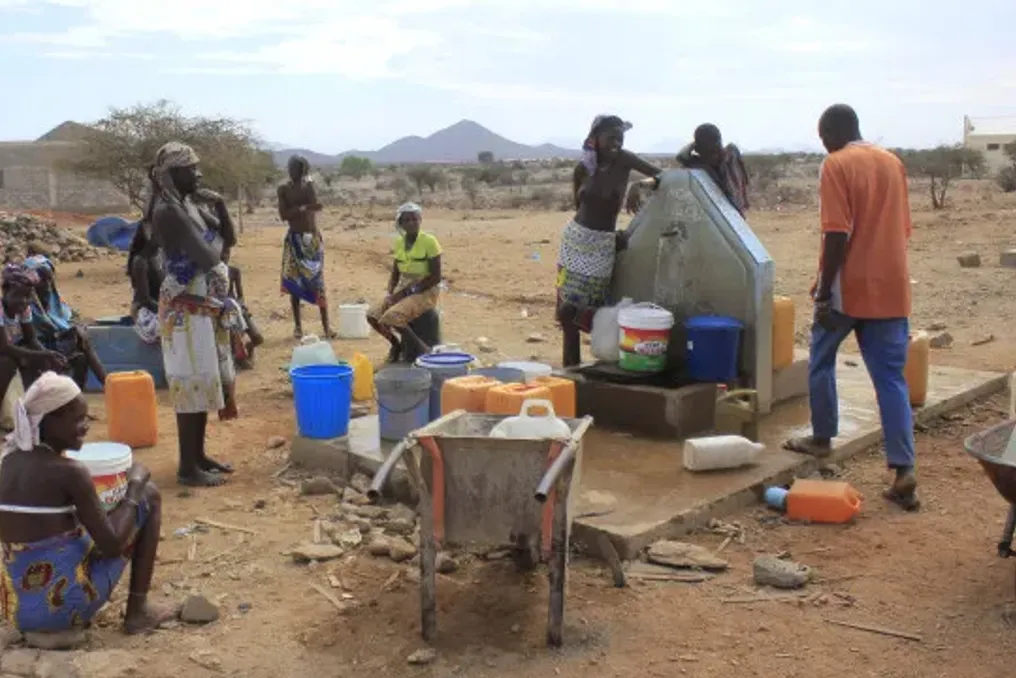
The 'El Niño' phenomenon contributes to meteorological drought, especially in the southern and southeastern regions of Angola. At the same time, the positive phase of the Tropical Atlantic Index of South Atlantic (TSA) favors excess rainfall on the coast of Angola.
The rainy season in Angola officially began on August 15 of last year and will last until May 15, 2027.
INAMET explains that there is a probability of moderate meteorological drought occurring in October, November, and December 2026 in the provinces of Cunene, Cuando Cubango, as well as in the south of the provinces of Mossico and Mossico Leste.
This climatic phenomenon also predicts moderate and severe meteorological drought in January, February, and March 2027 in the provinces of Lunda Sul, Mossico, Mossico Leste, Cuando, most of the Cunene and Cuando provinces, in eastern Lunda Norte, and in the northeastern part of Bié.
Regarding the TSA, this phenomenon will have the greatest impact at the end of the next quarter (October, November, and December 2026) and throughout the first quarter of 2027. It is expected to increase the probability of excess rainfall in coastal provinces (Cabinda, Zaire, Bengo, Luanda, Ikolo, and Bengo and Benguela), in the Western provinces (Uíge, Cuando Norte, Cuando Sul, and Uila), as well as in the north and east of Namibe and in the southwestern part of Uambo.
The state institution also urges the population to adhere to the meteorological and climate forecasts published by this body, as it is responsible for ensuring scientific research and providing services in meteorology and climatology.