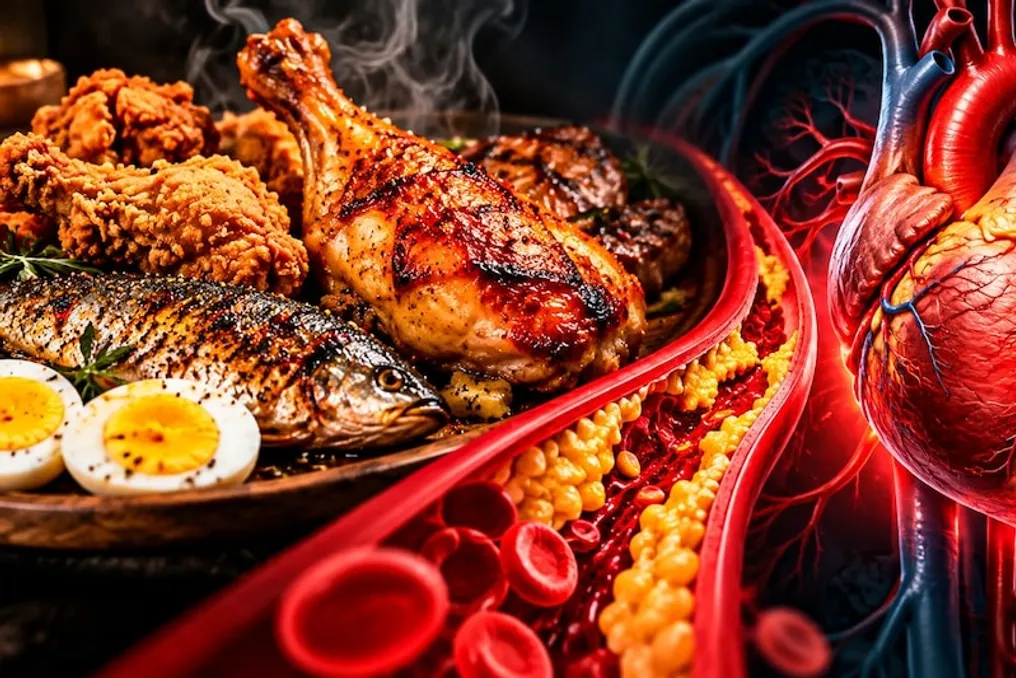
In recent years, there has been an increase in the number of heart attacks. Doctors note that one of the causes of this is improper nutrition. Patients consulting cardiologists often ask whether consuming non-meat meat increases the risk of developing heart diseases. Medical professionals provided clarifications regarding the relationship between heart attacks and diet, as well as giving dietary recommendations for the prevention of heart diseases.
Doctors emphasize that the influence of non-meat meat on the risk of a heart attack depends on several factors: the type of meat, the method of preparation, as well as the quantity and frequency of consumption. Special attention should be paid to processed types of meat, such as sausages, bacon, and salami, as well as meat with high levels of salt or saturated fats.
Senior cardiologist Dr. Aditi Dattagupta explained that many patients ask whether they should give up non-meat meat to prevent heart problems. People ask such questions after advice from acquaintances or watching videos on social media. However, she asserts that the risk of a heart attack is not determined by just one type of diet. There are many factors, such as high blood pressure, elevated cholesterol levels, diabetes, obesity, and family history of heart disease, which collectively increase this risk.
If a person regularly consumes high-fat meat, fried non-meat meat, and a lot of salt, it can lead to weight gain, increased blood pressure, and worsening cholesterol levels, which will negatively affect the heart's vessels in the long term.
Dr. Ajit Jain from the Cardiology Department of Rajiv Gandhi Hospital in Delhi notes that there is no direct link between consuming non-meat meat and heart disease. Nevertheless, excessive consumption or consumption of certain types of non-meat meat, such as red and processed meat, does indeed increase the probability of a heart attack in people who eat them in large quantities. Red and processed meat contains a lot of saturated fats, which can contribute to an increase in LDL (bad cholesterol) in the body and cause blockages.
Dr. Jain also believes that completely giving up non-meat meat is not mandatory for everyone. It is better to choose low-fat non-meat meat, such as fish, as well as dishes prepared with minimal oil and salt. Furthermore, it is crucial to include vegetables, fruits, whole grains, legumes, and sufficient fiber in the diet.