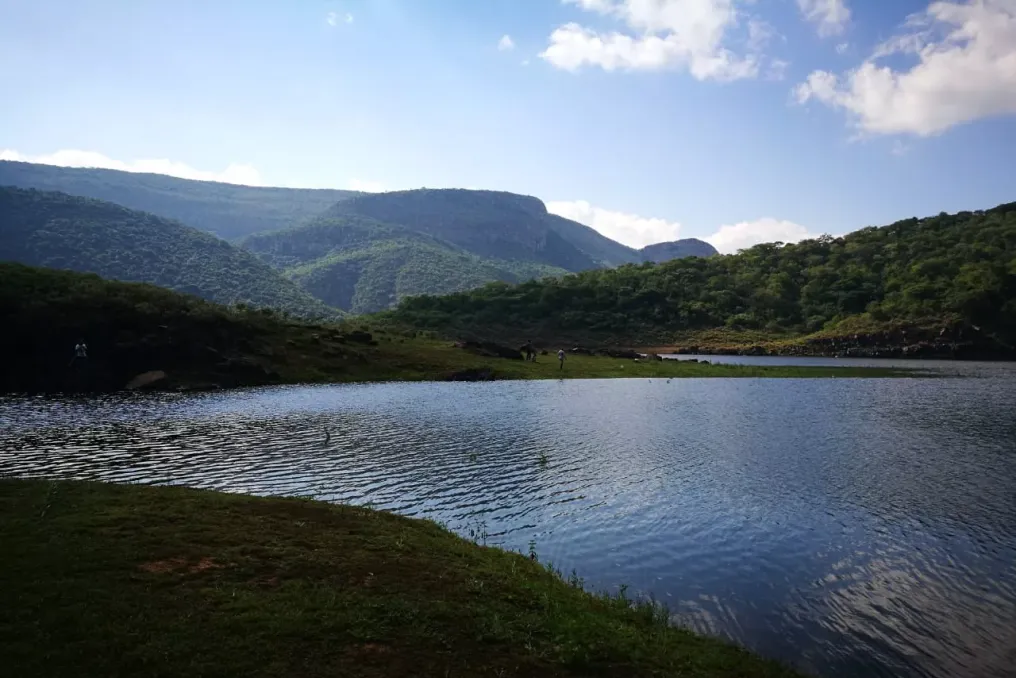
Fundudzi Lake in the Limpopo Mountains: A Sacred Place with Ancient Geological History
Read more
Getaway
getaway.co.za

Fundudzi Lake in the Limpopo Mountains: A Sacred Place with Ancient Geological History

Fundudzi Lake is located in the Southpansberg area of the Limpopo province, amidst forested slopes and ancient rocks, far from the more well-known landscapes of South Africa. It is a small, quiet, and exceptionally old lake. However, its uniqueness is defined not only by its formation process but also by the deep significance it holds for local residents over many generations.

For the Venda people, Fundudzi Lake is sacred. It is connected to ancestors, spirits, fertility, and rituals, while its unusual geological origin tells a completely different story. The combination of these two aspects makes Fundudzi one of the most remarkable landscapes in Limpopo.

Fundudzi is situated in the upper reaches of the Mutale River system in the Southpansberg mountains. Thousands of years ago, a massive landslide dammed the Mutale River, creating a natural barrier behind which the lake formed. Research suggests this event occurred approximately 20,000 years ago, and sedimentological data indicates that the lake itself has existed for at least 10,000 years.

Today, the lake covers an area of about 140 hectares and stretches approximately 3 kilometers across the surrounding mountainous landscape. Although it can be imagined as pristine wilderness, Fundudzi has always been more than just a geographical feature; it had its own history long before travelers began seeking remote places.

The lake is particularly sacred to the Vhavhatsindi people, who are traditionally considered its custodians. According to Venda oral tradition, a traveler arrived in a village where he was refused food and shelter. He cursed the inhabitants, after which a landslide occurred, flooding the settlement and forming the lake. It is said that the deceased transformed into spiritual beings connected to the waters of the lake.

There are also legends associated with the large white python, which is associated with fertility and water. This snake is linked to the Venda initiation and fertility dance, while another traditional tale speaks of a white crocodile guarding the ancestral spirits beneath the lake. These stories are not merely mystical tales for a tourist route; they are part of the cultural and spiritual understanding of this landscape.

Arriving at Fundudzi, one enters not an empty desert awaiting discovery, but a place possessing its own meaning. The history becomes even richer beyond the water. The nearby Tate Vondo forest is also considered sacred, and the forest, rivers, wetlands, and lake form part of a broader cultural landscape. Venda traditions have long linked natural elements such as forests, waterfalls, rivers, and ponds to the spiritual world.

These beliefs have also contributed to environmental protection. Traditional restrictions around sacred sites regulated the use of natural resources, effectively creating a form of conservation long before the modern term 'conservation' emerged.

However, today the landscape faces more common challenges: agriculture, forestry, settlements, erosion, and sedimentation have affected the entire watershed, while conservation programs work to restore parts of the wetland system.

Fundudzi is not a place you simply come to, park, and go to the water. Historically, access to it was controlled by local custodians, and research has noted community concerns regarding tourism development near the lake. This underscores the importance of responsible planning. Visitors should check current access conditions in advance and, if necessary, use the services of authorized local guides or interact with local custodians.

Furthermore, it is important to approach with the right mindset. The lake can be a beautiful photograph, but the photograph is not the main goal. Time must be spent understanding the significance of this landscape. One should consider the mountains around the water, learn about the traditions associated with the lake, and pay attention to the forest and river systems that sustain it. There is another kind of pleasure in visiting a place that cannot simply be consumed.

Fundudzi is located in the Wembe region, which is one of the most biodiverse and culturally significant landscapes in Limpopo. Southpansberg supports an astonishing diversity of habitats and endemic species, and nearby areas like the Tate Vondo forest and Piphidhi waterfall demonstrate the depth of the Venda connection to nature. Together, they offer a different type of journey where the landscape is not just a backdrop to the trip, but part of the story itself.

Fundudzi is extraordinary in every way: it was created by an ancient landslide, exists as a rare inland lake, and is situated in a biodiverse mountain landscape. But its greatest value cannot be measured in hectares or geological age. For generations, it has been a sacred place, and this changes the approach to its perception.

Fundudzi does not need to be turned into another bucket-list attraction, nor does it require exaggerated legends to be interesting. Its history is wonderful in itself: an ancient lake, a living culture, and a landscape where water, ancestors, culture, and faith remain closely intertwined. Sometimes the most valuable places are not those that give you the most to do; they are those that make you stop long enough to understand where you are.
Similar stories

Aliwal Shoal Underwater World off the KwaZulu-Natal Coast: Attractions and Marine Life
Read more
getaway.co.za

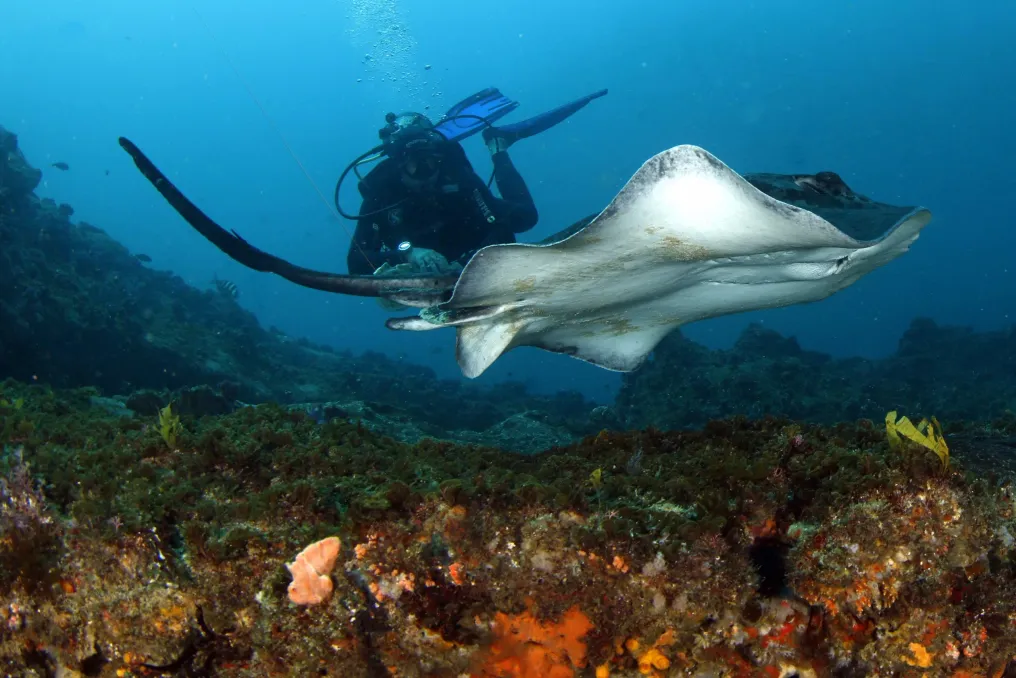
Aliwal Shoal Underwater World off the KwaZulu-Natal Coast: Attractions and Marine Life

Near the KwaZulu-Natal coast, close to the coastal settlement of Scottburgh, lies one of South Africa's most famous diving spots—Aliwal Shoal.

This underwater reef formed from ancient fossilized sand dunes, and its marine environment is shaped by the warm, nutrient-rich Agul Current. The reef stretches approximately 5 kilometers, rising from depths of about 6 meters to 25–30 meters in some areas. Its underwater landscape includes caves, ravines, pinnacles, and sandy patches that serve as habitats for an impressive diversity of marine organisms.

The area is protected under the Aliwal Shoal Marine Protected Area (MPA), which was expanded in 2018 and 2019, covering an area of about 670 square kilometers. This reserve aims to conserve the reef and the marine species dependent on it.

One of Aliwal Shoal's main attractions is sharks, as divers regularly encounter several species. From July to November, sharks with serrated teeth, known as reggae sharks, gather around specific parts of the reef. These sharks are generally considered peaceful, and their seasonal presence has made Aliwal Shoal a popular destination for underwater wildlife viewing enthusiasts.

In addition, the reef is visited by tiger sharks, grey sharks, hammerhead sharks, and sometimes whale sharks. Depending on the season and conditions, divers may also encounter turtles, humpback dolphins, bottlenose dolphins, and migrating humpback whales.

The Agul Current plays a vital role in maintaining this biodiversity, delivering warm water and nutrients along the KwaZulu-Natal coastline. The reef is also closely linked to two historic shipwrecks: the MV Produce and the SS Nebo.

The Norwegian molasses tanker MV Produce sank in 1974 and now rests at a depth of about 30 meters. This wreck provides an additional attraction for experienced divers, as its remains create a habitat for marine life. The SS Nebo sank in 1884 during its maiden voyage. Parts of this ship, including boilers and propeller, remain on the seabed, allowing divers to glimpse the region's maritime history.

Both wrecks contribute to the overall appeal of Aliwal Shoal, combining underwater exploration with the opportunity to encounter marine life around these structures.

Aliwal Shoal caters to divers of various skill levels: from introductory dives and open water courses to advanced and specialized training. ScubaXcursion, based at Premier Resort Cutty Sark on the waterfront, offers diverse programs, including shark and shipwreck dives, as well as daily trips to the reef. According to the operator, some dive sites can be reached in less than 20 minutes from the departure point.

The proximity of the resort and dive center allows visitors to combine coastal relaxation with regular trips to the reef without long commutes. Different sites offer unique underwater experiences depending on the conditions and the diver's experience. For instance, Crown and Pinnacles are known for their walls, ravines, sponges, and reef life, while Reggae Cave is associated with seasonal sightings of serrated-toothed sharks. North and South Sands feature sandy areas where rays and sand sharks can be found. The shipwrecks provide another option for experienced divers interested in maritime history.

As in any remote diving location, conditions can change, and the movement of the Agul Current can sometimes complicate diving. The period from July to November is particularly important for observing serrated-toothed sharks, although Aliwal Shoal offers year-round diving opportunities. Divers are advised to check local marine conditions and follow operator instructions before heading out to sea. Since the reef is within a Marine Protected Area, visitors must also adhere to conservation rules and avoid touching or taking marine life.

Thanks to the ancient reef formations, seasonal shark encounters, historic shipwrecks, and proximity to the KwaZulu-Natal coast, Aliwal Shoal offers a truly South African diving experience. It is a place where geology, marine wildlife, and maritime history converge in one protected underwater landscape.

Valwater Town: A Small Settlement Behind the Conservation Boom in Waterberg
Read more
getaway.co.za

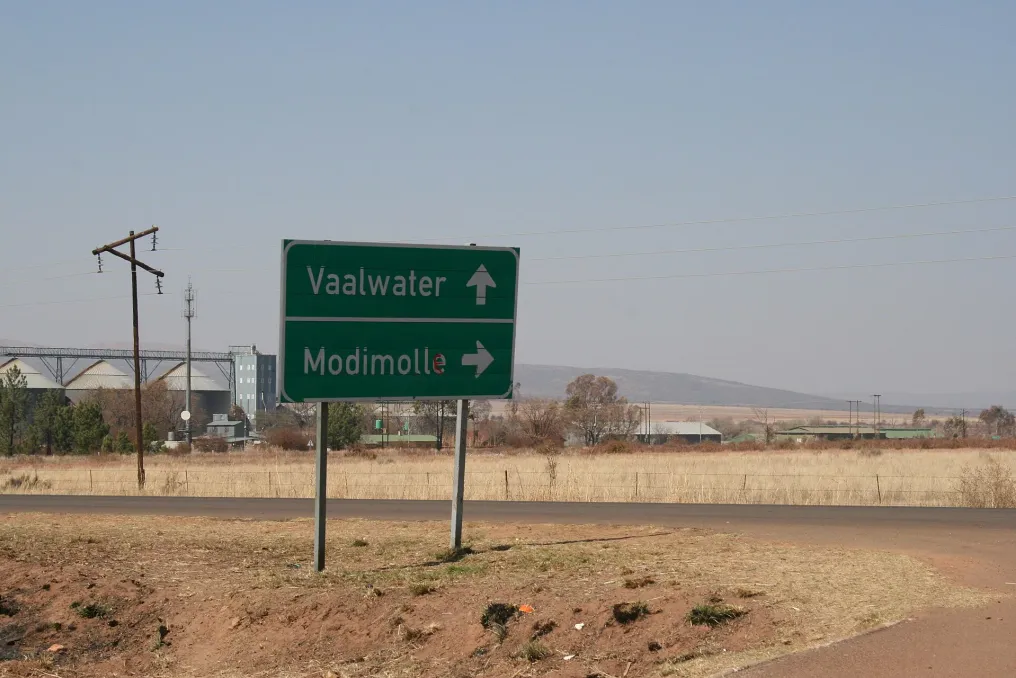
Valwater Town: A Small Settlement Behind the Conservation Boom in Waterberg

Few people have heard of the small town of Valwater. However, those concerned with ecology are likely to know more about it than most. Perhaps they simply remember stopping there to refuel.

This town in Limpopo is situated along the R517 road between Modimolle and Lefalale, surrounded by sandstone hills, bushveld, and the vast expanses of the Waterberg. For many travelers, it is merely a stopover point to eat and refuel before proceeding further.

Nevertheless, Valwater is more than just a roadside stop; it lies at the heart of one of South Africa's significant conservation landscapes and has quietly become an economic hub for the Waterberg Biosphere Reserve.

The paradox is that the town itself seems very far removed from the polished safari experience found beyond its borders. There are no majestic lodge entrances or private safari vehicles in central Valwater. Instead, there are ordinary shops, service providers, and people going about their daily lives.

The Waterberg was not always the wildlife destination it is today. Agriculture played a vital role in the region's economy, as livestock farming and crop cultivation formed much of the landscape. Along the Mokolo River, sandy soils facilitated tobacco cultivation, making Valwater one of the country's major tobacco-growing areas.

Beginning in the 1980s, this landscape began to change as private conservation and wildlife farming gained momentum. Landowners increasingly started converting agricultural land into wildlife habitats, driven by both conservation interests and the growing commercial potential of wildlife and tourism.

The result of this process is visible throughout the Waterberg today. Former agricultural lands have been incorporated into private wildlife ranches, private reserves, and ecotourism sites, helping to transform the region into one of Limpopo's most renowned safari landscapes. Valwater finds itself right in the middle of all this.

In 2001, the Waterberg was declared a UNESCO Biosphere Reserve. The reserve covers approximately 654,033 hectares and includes core areas, buffer zones, and transition zones where people live and work. It is also an important water catchment area for the region, and its landscape, composed of low mountain ranges, escarpments, and savanna, supports a rich diversity of flora and fauna.

A Biosphere Reserve is not just a large fenced-off wilderness area, unlike a national park. The concept is to balance nature conservation with human activities, including agriculture, tourism, and the needs of local communities. This distinction is crucial precisely here.

Valwater is located within this broader landscape as a rural service center, connecting the people who live and work in the area with the farms, reserves, and tourism enterprises outside the town. Tourists usually encounter the Waterberg through a lodge or reserve, but the people working in this tourism economy—supplying it and moving through it—need the town.

Some of the most famous conservation sites in the Waterberg are within reach of Valwater. Lapalala Wilderness originated as a conservation project started in 1981 by businessman and farmer Dale Parker and ecologist and artist Clive Walker. Their goal was to create a wildlife area in the Waterberg, and Parker gradually amalgamated adjacent parcels to form the reserve.

Since then, this reserve has become one of the largest private conservation areas in the Waterberg. Its activities extend beyond wildlife tourism, including habitat preservation programs, research, and species such as rhinos, predators, African wild dogs, pangolins, and leopards.

There is also the Velgevonden Wildlife Reserve, another large private conservation area in the Waterberg Biosphere. The reserve was established in 1993 by consolidating several private farms, with internal fences being removed to create a larger, continuous wildlife area. Today, it spans about 37,000 hectares.

Together with sites like Lapalala and the nearby Marakele National Park, reserves like this are part of a wider conservation landscape that has turned the Waterberg into a safari destination. You don't necessarily see any of this while sitting in Valwater, and that is the essence of it.

Valwater's role is less glamorous, but perhaps no less important. The town serves as a practical link between the surrounding conservation sites and the wider region. For travelers, it represents a useful pause between the town and the bush.

It is a place to stock up on supplies before venturing into the Waterberg, and it underscores how closely intertwined tourism and everyday life are here. The same roads that visitors take to private reserves are used by people commuting to work, school, shops, and services. These relationships matter because conservation does not happen in isolation.

The Waterberg Biosphere is a landscape where protected areas, private holdings, farms, and communities exist side by side. UNESCO describes the region as a water catchment for the otherwise arid part of Limpopo, and its biosphere model aims to allow people and conservation to coexist within the same broad landscape.

The transformation of the Waterberg has undoubtedly created a remarkable conservation landscape, but it has not been without challenges. Studies conducted around Valwater have revealed tensions related to land and water, including the contrast between private wildlife ventures and surrounding communities. One study showed that while wildlife farms benefited from regional water resources, residents of Valwater and neighboring communities faced water scarcity.

This does not negate the achievements in regional conservation. However, it calls into question the notion that conservation automatically benefits everyone living around it. The Waterberg is a working landscape. People farm, run businesses, work in tourism, raise families, and depend on the same natural resources that sustain the wildlife and lodges attracting visitors to the area.

It is an important reminder that the story behind a conservation site is rarely as simple as what you see from a safari vehicle.

Valwater is easily overlooked because it is unglamorous. There are no glossy lodge signs announcing your arrival at a special place. Nor are there herds of elephants waiting by the main road. Instead, the town quietly sits in the middle of the Waterberg, performing the routine work of sustaining the rural community. Outside the town, agricultural land has become wildlife habitat, private reserves have expanded, and tourism has become one of the forces shaping the region.

Next time you drive through Valwater on your way to the bush, slow down. Because the story of the Waterberg's conservation boom is written not only within its reserves. Part of it is written in this small town too.

Popular