Nine deaths in Ekurhuleni heighten concerns over gender-based violence and demand urgent action
Read more
IOL
iol.co.za

Nine deaths in Ekurhuleni heighten concerns over gender-based violence and demand urgent action

The discovery of nine women's bodies in Ekurhuleni, near Johannesburg, has heightened anxiety among women across Gauteng. Gender-Based Violence (GBV) advocates warn that these murders have reinforced fears regarding personal safety.

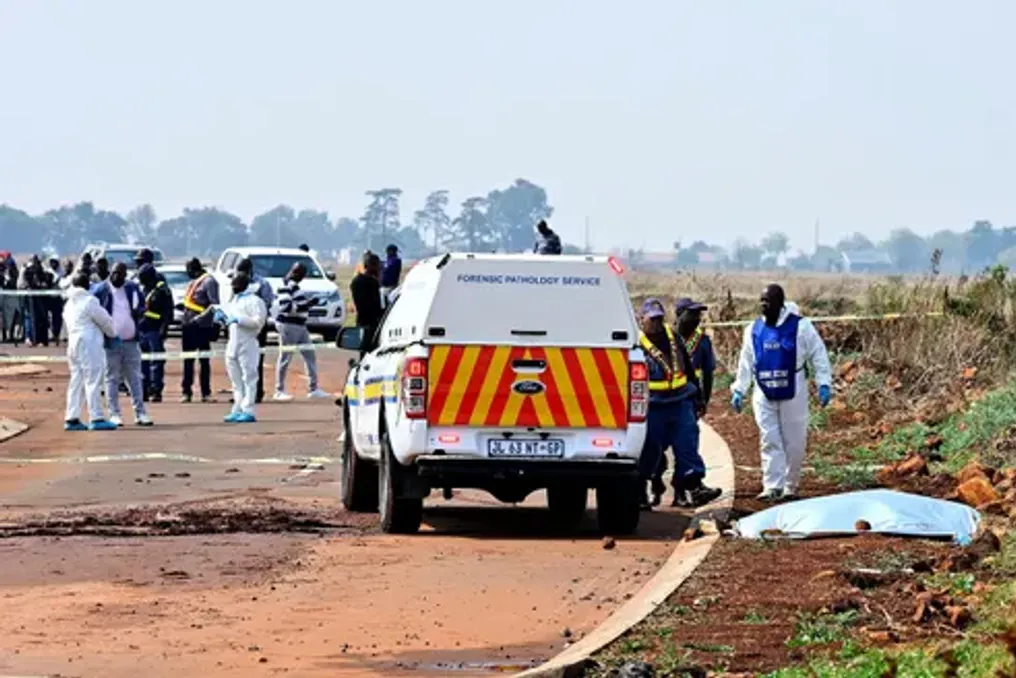
The bodies of the nine women were found in different parts of Ekurhuleni. The latest discovery occurred on Lamas Street on Thursday, where a partially clothed woman was found who, according to police, sustained a fatal neck wound. It is not yet established whether all these cases are connected.

Among the identified women are: Busisive Malangu, Itumeleng Kekana, Elizabeth 'Tsontho' Moselakgomo, Dineo Evelyn Motapane, Nomphesane Mdjobo, Jabulile Ntimba, and Graceys Nkomo. Over a period of more than nine weeks, their bodies were found in fields, by roads, near the R21 highway, in a river, and behind a hotel.

On Gender-Based Violence

Advocates emphasize that each name represents not just a statistic, but a life lost along with families, dreams, and future plans. Kovini Mudli, a expert in governance, risk, and compliance from Gauteng and an advocate for GBVF, expressed deep concern, noting that these murders cause significant stress.

Mudli reported that the incidents have intensified her concerns for safety, causing her to view routine activities differently, such as jogging, walking alone, traveling, returning home, surveillance, using geolocation, parking a car, or simply being outdoors. In her opinion, women should not constantly be assessing risks to participate in daily life, and this is one of the most alarming consequences of GBVF: it changes women's perception of freedom.

From the perspective of a risk and management specialist, Mudli believes that GBVF should be viewed as a systemic societal risk, rather than a series of isolated crimes. She insists that prevention cannot begin after a woman has disappeared or been murdered. Mudli pointed to South Africa's National Strategic Plan on GBVF, which includes areas for prevention, accountability and coordination, justice and security, response and care, as well as economic empowerment.

She noted that the current task is implementation, accountability, and achieving measurable results. The creation and functioning of the National Council on Gender-Based Violence and Femicide is an important institutional step. However, she stated that structures are insufficient; implementation, properly resourced law enforcement and specialized investigative capabilities, effective prosecution, survivor-centered support services, safer communities and public spaces, and better coordination between SAPS, prosecutors, health, social services, schools, workplaces, communities, and civil society are necessary.

Mudli added that prevention must start at an early age, educating boys and men about consent, respect, responsibility, emotional regulation, healthy relationships, and the consequences of violence.

Dr. Zubeda Dangor, head of the South African National Refugee Movement, stated that women fear going to work or using transport, whether it be ride-hailing services or walking to a bus stop. She called on municipalities to improve public safety by ensuring adequate street lighting and maintaining vegetation that could serve as cover. Dangor believes that telling women to stay home is insufficient if men are not involved in violence prevention efforts. She stressed that GBV and femicide are a societal problem requiring collaboration between communities and institutions, and expressed hope that this tragedy will awaken society, as she believes there is insufficient political will to solve the problem in the country.

Dr. Shahida Omar, a social justice activist and child protection specialist, noted that the murders are particularly painful due to their impact on children and families. She emphasized that the death of a victim affects the entire family and community, as she could have been a mother, daughter, sister, partner, or caregiver. Children can suddenly lose a primary caregiver, a sense of security, and their perception of the world as a safe place.

Omar also noted that women's reactions include fear, anger, and exhaustion, as well as constant doubt about whether they or someone close to them could be next. She pointed to the profound loss of trust that arises with every new body discovery. She specifically highlighted acute fear among women working early or late shifts, those traveling to transport hubs, residents of poorly lit or patrolled areas, and parents whose children travel alone. Omar is also concerned that children absorb this fear by hearing conversations at home and seeing stories on social media and television.

Priya Ranchod from Missing in Southern Africa stated that the murders have created a real sense of fear among women who should be able to lead daily lives without doubting their safe return home. She called for action, accountability, and urgency, insisting that GBV reports must be taken seriously and investigations must be thorough and brought to a conclusion. The main goal, she said, is to identify, arrest, and prosecute the perpetrators to ensure justice for victims and answers for their families.

Similar stories

Rise in calls to gender violence center coincides with increase in women's deaths in Ekurhuleni
Read more
iol.co.za

Rise in calls to gender violence center coincides with increase in women's deaths in Ekurhuleni

The Department of Social Development reported an alarming increase in calls related to gender-based violence (GBV) received by its 24-hour Gender-Based Violence Centre (GBVCC). This surge followed a series of femicide cases in Ekurhuleni, where the police identified the names of seven out of nine murdered women.

Some victims were found with missing body parts, while the bodies of others were discovered naked or partially clothed, with some showing signs of injury.

Among the victims were named individuals such as Busisive Malangu, found on July 15, 2026, in Kempton Park, and Itumeleng Kekana, found on August 3, 2026. The tragic discoveries continued with Nomphesane Mjobo, whose body was found on August 26, 2026, and an unidentified woman swimming in the Clayville River in Olifantsfontein on September 7, 2026.

The level of violence escalated with the discovery of Graceys Nkomo and Elizabeth Moselakgomo in Kempton Park on September 10 and 12, 2026, respectively. Another victim remained unnamed until family notification, and Dineo Motapane and Jabulile Ntimba were tragically found on September 15 and 17, 2026.

Police have not yet confirmed whether these cases are connected or if one perpetrator is involved. The identification of names occurred against the backdrop of Gauteng police beginning an investigation after the grim discovery of a young woman's body in Soweto on Sunday.

According to police, this woman's body was wrapped in a blanket and dumped in a waterway in Moroka on Sunday evening. Sandy Goldwan, speaking on behalf of the Department of Social Development, noted that the increased public attention to femicide and gender-based violence is evident.

Preliminary statistics showed that from September 1 to September 16, the GBVCC received a staggering 6,782 calls, averaging 424 per day. This represents a notable increase of 21% compared to the previous month, when the centre recorded an average of 350 calls daily.

The final days of this two-week period were marked by a sharp increase in calls—from September 13 to September 16, daily appeals reached around 500, peaking on September 16 with the highest number recorded at 589 calls. This coincided with the escalation of violence against women and widespread fear among communities, particularly noticeable in the Ekurhuleni district of Gauteng province.

Football club Kaizer Chiefs condemns murders of women in Ekurhuleni, speaks out against gender-based violence
Read more
iol.co.za

Football club Kaizer Chiefs condemns murders of women in Ekurhuleni, speaks out against gender-based violence

The football club Kaizer Chiefs has joined growing public calls against gender-based violence following the discovery of nine women's bodies in the Ekurhuleni area. The club used its social media platforms to condemn the murders and express support for the affected families and communities while the police continue their investigation.

Kaizer Chiefs stated: 'No woman should live in fear.' This statement came amid widespread anger and concern across South Africa as the police examine possible links between these cases.

The South African Police Service confirmed on Thursday that the body of the ninth woman was found in Down Park, Ekurhuleni. This occurred on September 17, increasing the number of women whose deaths are under investigation to nine. Police reported that a multidisciplinary team has been mobilized to investigate the cases, and detectives continue to work to ascertain the circumstances of the women's deaths and establish a link between these fatalities.

Kaizer Chiefs condemns gender-based violence

In its statement, Kaizer Chiefs expressed deep sorrow over the violence and murders that have taken place in Ekurhuleni. The club stated: 'There is no to gender-based violence. We are shocked by the tragic violence and murders in Ekurhuleni. Kaizer Chiefs Football Club condemns gender-based violence and the senseless loss of life in our communities.'

The club offered condolences to the affected families and addressed residents of Camptown Park and other areas of the East Rand, stating: 'We support the people of Camptown Park and other parts of the East Rand. No woman should live in fear. Enough!'

This statement comes at a time when the murders have once again drawn attention to the safety of women in Gauteng and the broader crisis of gender-based violence in South Africa.

Investigation into the death of nine women is underway

The first cluster of similar cases appeared in Camptown Park, where police warned women in the area to be cautious after the discovery of four women's bodies approximately two months ago. At that time, the police noted alarming similarities in some cases, including the locations of the bodies and the circumstances of death. However, at that stage, SAPS emphasized that it had not confirmed a link between these deaths to a serial killer.

The investigation subsequently expanded after additional bodies were discovered in other parts of Ekurhuleni. The body of 28-year-old Gracis Nkomo, found along the R21 highway in Camptown Park on September 10, was identified by her family on September 17. She is one of the women whose death is being investigated as part of a wider inquiry. The latest discovery in Down Park brought the total number of bodies under investigation to nine. Police are calling on anyone with information that can assist the investigation to come forward.

Outrage over violence against women

These deaths have sparked renewed public discussions about gender-based violence and femicide in South Africa. The Gender Equality Commission has also called for urgent safety measures in the areas where the women's bodies were found, stating that the state is responsible for creating conditions where women can move freely in public places without fear of violence.

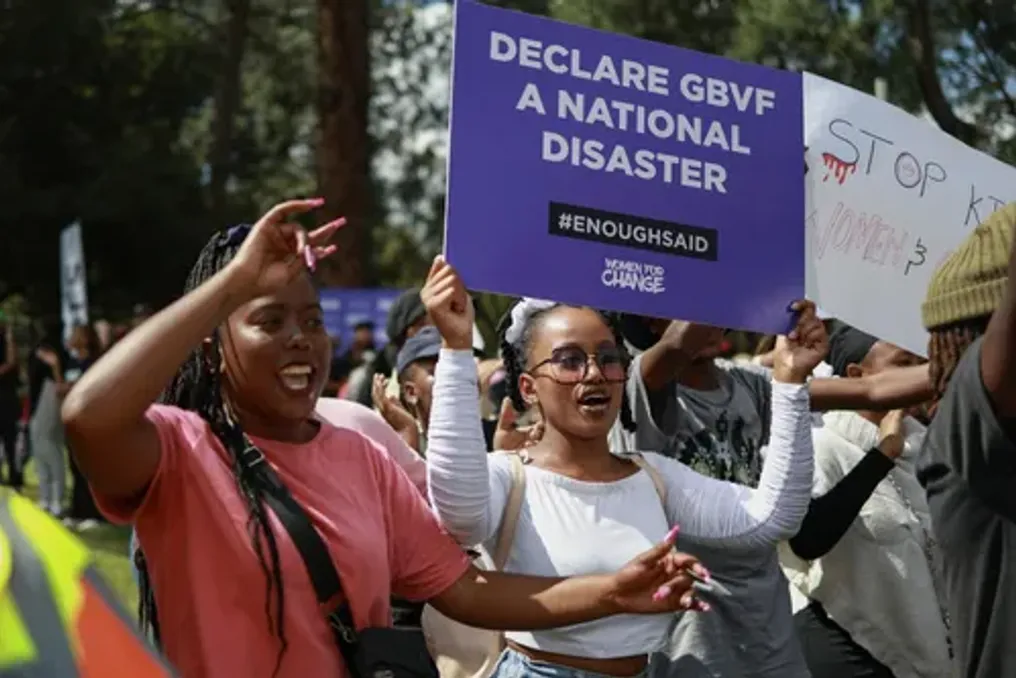
The murders have also become a catalyst for memorial events and public demonstrations, with communities and women's rights organizations calling for greater protection for women and the prosecution of those responsible. The Kaizer Chiefs statement added the voice of one of South Africa's most famous football clubs to those condemning the violence. Currently, investigators continue to gather information on the details of each death. Although the police have identified similarities between some cases, authorities have not publicly confirmed that all nine women were killed by the same person or group.

Discovery of eight women's bodies in South Africa once again raises questions about the fight against gender-based violence
Read more
iol.co.za

Discovery of eight women's bodies in South Africa once again raises questions about the fight against gender-based violence

Amidst the rising number of female murders, Acting Minister of Police Firoz Kachalia announced the closure of the Ekurhuleni area in the coming weeks. The discovery of eight women's bodies in Gauteng has once again called into question South Africa's response to gender-based violence, the transparency of police work, and men's responsibility in preventing violence against women.

The bodies of eight women were found in East Rand, Johannesburg, as part of an incident dubbed the Kempston Park murders. Although the identities of all victims have not yet been established, it is evident that men are responsible. It is also clear that the government and police are not doing enough to prevent the killing of women.

On August 1, President Cyril Ramaphosa established the National Council on Gender-Based Violence and Femicide. This body represents a target group whose creation came too late, following years of empty promises to combat this scourge. As early as 2019, after the 2018 Summit of Presidents on GBV, Ramaphosa promised to implement urgent legal and structural reforms. In the same year, he designated GBV as a national crisis during his address on the state of the nation.

In the reporting period, SAPS recorded 2,695 women killed in 2019/20. Subsequent years show an alarming trend: 2,655 women died in 2020/21, 3,198 in 2021/22, 3,914 in 2022/23, and 3,485 in 2023/24.

How many women have been killed?

In the current SAPS reporting period for 2024/25, there is no gender breakdown, which creates serious problems. Without knowing the exact number of women killed during this period, it is impossible to assess the effectiveness of measures to combat GBV. The police previously claimed that quarterly data could not be reconciled with the national report, but estimates suggest the number of victims in 2024/25 exceeds 3,500. Furthermore, there is concern that the total number of women killed is significantly higher, with estimates reaching 5,578 deaths over the previous 12-month reporting period. The situation is considered a crisis.

What is being done to solve the problem?

In light of the discovery of another eight bodies, the police advise women to be vigilant, avoid dangerous places, inform others of their movements, and allow loved ones to track their location. However, the article's author believes that placing the responsibility for crime prevention on women, who constantly live in fear of attack, rape, and murder, is absurd. He insists that the main threat to women's lives comes from men, and they must take responsibility for ending crimes against women.

In the author's view, until all men realize that simply expressing solidarity in the fight against GBV is insufficient, they will continue to participate in the killing of these women. In South Africa, men kill between 11 and 15 women daily.

What should be done?

It is required that SAPS stop ignoring the problem by not providing detailed data and allow the exact number of women and children killed to be seen. The author argues that the reaction to what resembles serial killer activity reflects a patriarchal view of women's safety. Women must be protected by men, the police, and the government, not by increased vigilance on the part of the women themselves.

The police must be transparent about the latest wave, which appears to be connected murders. It needs to be determined whether they are looking for one killer, a group, or a syndicate, and whether they are receiving information from a detained suspect. The question arises regarding the need to declare a state of emergency and impose a curfew. However, the author believes that a new meeting or task force is unnecessary. Currently, a reward has been announced for information that could lead to the arrest of men responsible for this series of murders, and a specialized investigation team has been created to collectively investigate these crimes with the support of criminal intelligence and other specialists. Until the perpetrators are caught, South Africa will live in constant anxiety, which is all too familiar a phenomenon for a country suffering from gender-based violence and seemingly unwilling to end it.

Popular