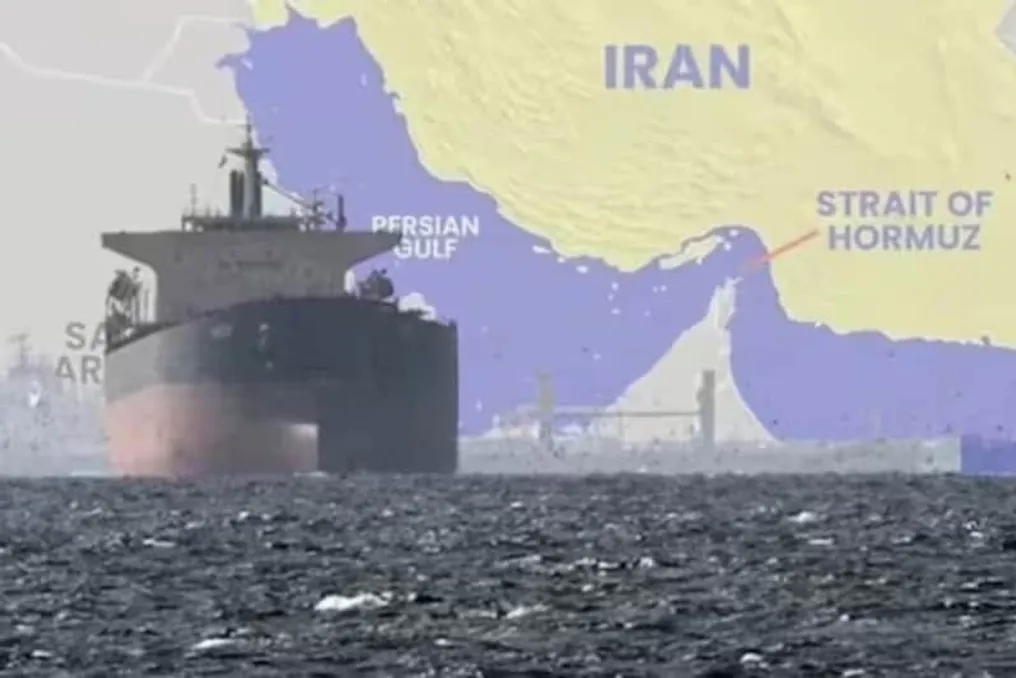
Amid ongoing tension and conflict between the US and Iran, which has lasted about seven months, the Strait of Hormuz has become a central issue in negotiations. Iran demands that the US lift economic embargoes in exchange for opening the strait, while the US insists on resuming shipping through this critically important maritime route.
Previously, Iran had planned to charge fees for vessels passing through. Now, however, Iran has stated its readiness to compromise on the issue of these fees, but it will maintain control over the Strait of Hormuz itself. Regional and Western officials have reported that a phased solution is being sought during the dialogue. One senior Iranian official noted that the crisis could be resolved in phases: first, the US lifts the embargo, and then the Strait of Hormuz reopens. Access to frozen funds could also be part of the deal.
The main difficulty lies in the fact that neither side is yet willing to abandon its position. The US continues to put pressure on the Iranian economy, while Iran possesses the ability to influence a vital global oil pipeline through the Strait of Hormuz. Thus, both countries seek a tangible gain in exchange for their leverage.
Iran had previously put forward proposals indicating that if military pressure from the US was reduced and the blockade on its ports lifted, it could open the Strait of Hormuz within a week. This plan was conveyed to the US through intermediaries. However, Iran has now shown greater flexibility. According to Reuters, Iran is prepared to separate the demand for transit fees for passage through the Strait of Hormuz into a separate document, distinct from the main agreement, as lifting the blockade is currently its priority. Nevertheless, Gulf countries have rejected the proposal to impose such fees. Sources note that any agreement reached is likely to be temporary, and this does not mean Iran has completely abandoned its demand for transit fees.
US President Donald Trump expressed hope for an agreement between the US and Iran after the mid-term elections on November 3rd. Meanwhile, the US administration states that the pressure on Iran is significant, and Washington will make decisions on its own terms.
The opening of the Strait of Hormuz would bring significant relief to the global community, as this strait is one of the key routes for transporting oil and gas. Its closure has increased pressure on global energy supplies. Therefore, markets are closely monitoring these negotiations regarding a possible agreement on this strait between the US and Iran.