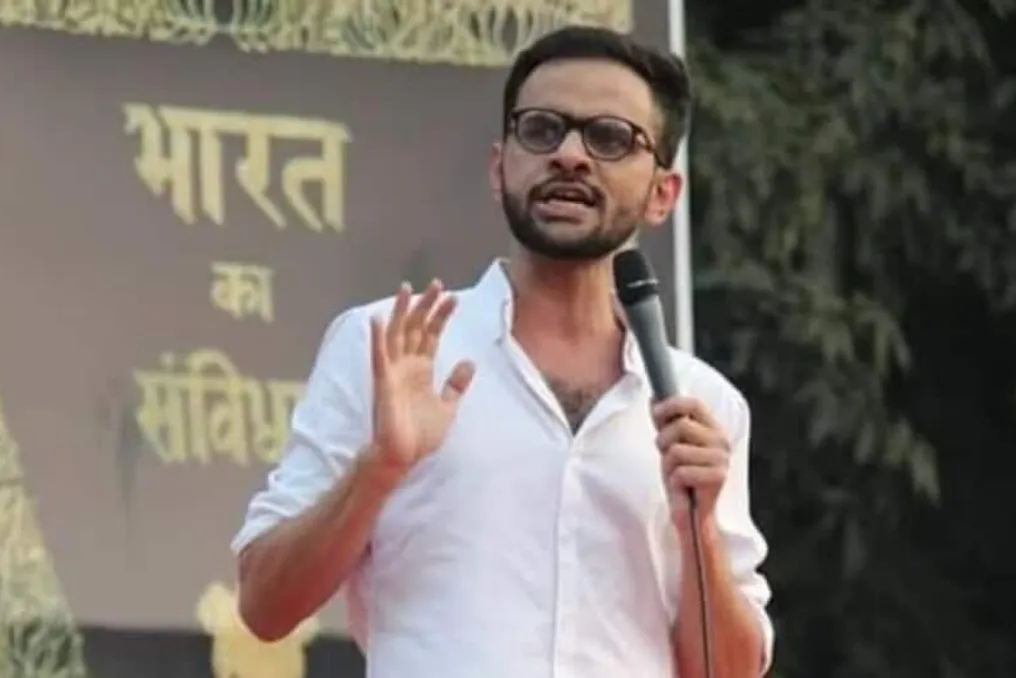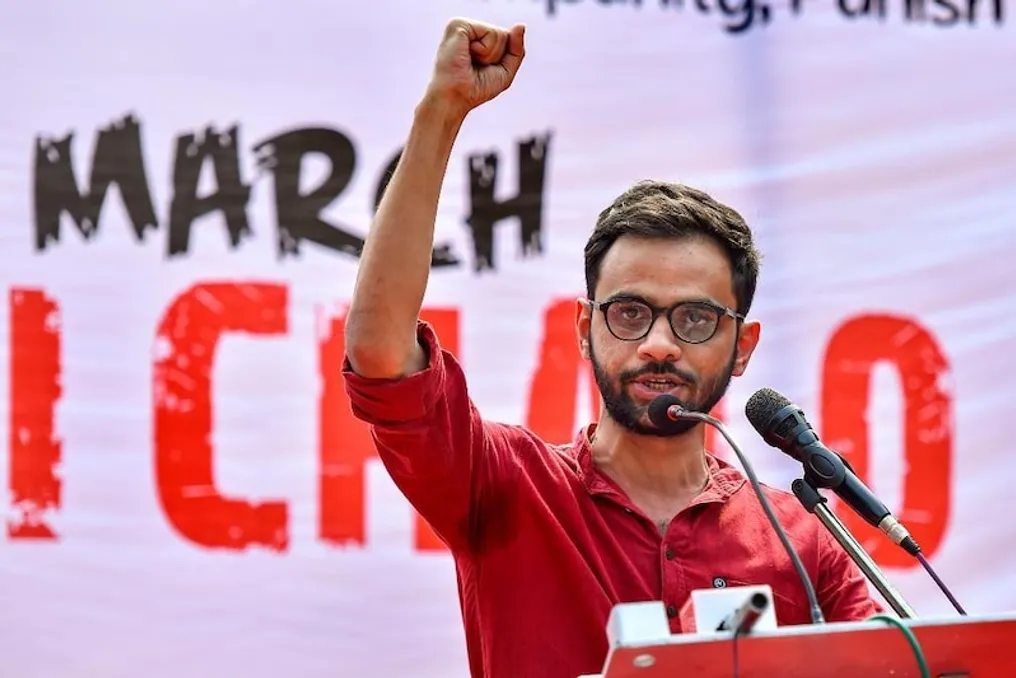
A new debate has arisen at the prestigious legal institution NALSAR University of Law in Hyderabad, stemming from the screening of a documentary about Umar Khalid, who is accused of involvement in Delhi riots, and a former student.
Campus students organized a special screening of the documentary 'Prisoner No. 626710 is Present,' directed by Lalit Vachani. This screening took place on Wednesday evening, September 23rd.
Following the screening, an intense discussion erupted on campus regarding human rights, the impartiality of legal procedures, and the prolonged detention of individuals under investigation.
This event was organized by students on a private, independent basis, with only university students participating. The organizers stated that the goal of the screening was to convey a message of 'solidarity.' They aimed not just to show the film but also to create an atmosphere for discussing serious legal aspects, such as the status of persons under investigation in the country, fundamental rights, accountability of investigative agencies, and years of detention without judicial proceedings.
After the documentary, an open dialogue among students was held. During this dialogue, they deeply discussed how delays in legal procedures affect citizens' fundamental rights. Students questioned how the long wait for the start of a judicial process in any case impacts trust in the justice system.
Umar Khalid is a former student leader of JNU. He was arrested in September 2020 on charges of participating in an alleged conspiracy during the North East Delhi riots and has been detained for six years under the Unlawful Activities Prevention Act (UAPA). The documentary 'Prisoner No. 626710 is Present,' created by Lalit Vachani, focuses on Umar Khalid's arrest, his life in prison, and the current legal proceedings in his case.
The fact that such a screening took place on the campus of a law university became a topic of discussion, as NALSAR is considered one of the leading law colleges in the country, and the stance of its students on such sensitive issues is considered highly significant.