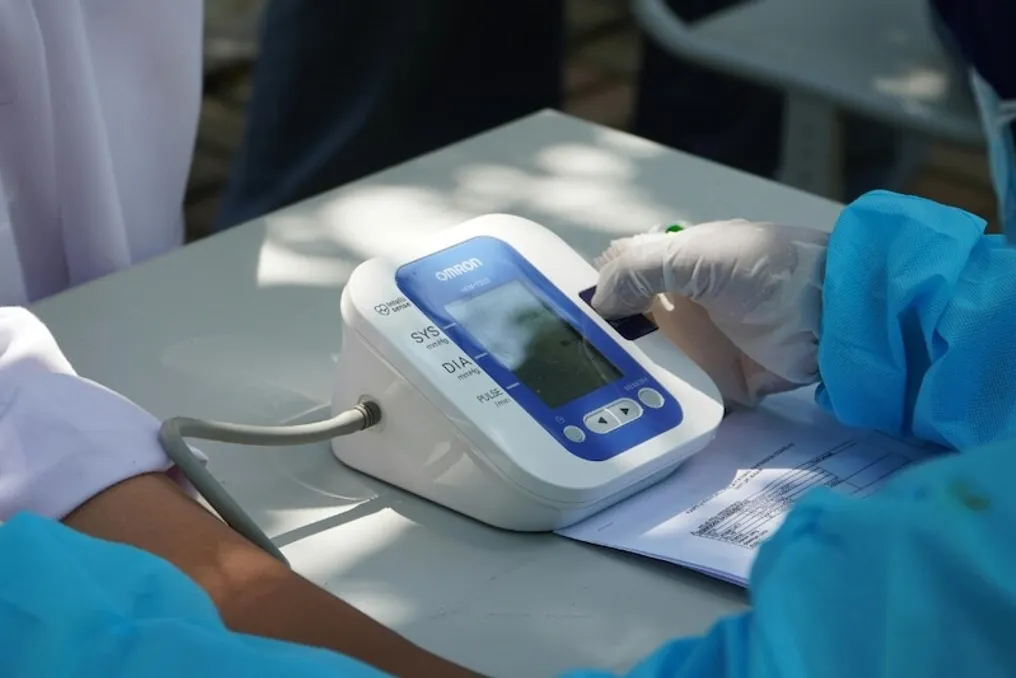
Hypertension can develop even at the age of 30. Doctors are increasingly encountering such cases, and in most instances, no obvious symptoms are present. High blood pressure is only detected during routine check-ups, and it is only after multiple measurements that it is determined to be hypertension. Therefore, specialists advise people in their 30s to regularly check and monitor their blood pressure.
Dr. Gangandhip S, director of the cardiology department at Medanta Hospital in Gurgaon, spoke about this issue. He noted that high blood pressure usually develops without any signs, such as chest pain or shortness of breath. However, it gradually damages arteries while the person continues their daily activities, feeling completely normal. This is why high blood pressure is called a 'silent killer.'
Dr. Gangandhip stated that people in their 30s are currently suffering from hypertension. Patients come to him who appear healthy and active, but upon routine examination, they are found to have elevated blood pressure. In some of them, the condition is controlled by medication.
Causes of this disease in young age include an unhealthy lifestyle, long working hours, increased screen time, sleep disorders, as well as consuming large amounts of salt and processed food. The complexity lies in the fact that the pressure rises slowly, over months or even years. Meanwhile, the heart works under greater strain with each beat, and the blood vessels gradually lose elasticity. If no action is taken, the risk of heart attack, stroke, and kidney damage increases.
It should not be assumed that blood pressure checks are only for people over 50 years old. Even if you are 30, it is recommended to measure your blood pressure at least 5–10 times a year, even if you feel perfectly healthy. A mere five-minute check can detect the problem in time. When conducting tests, it is important to pay attention not to a single reading, but to the overall picture. One instance of elevated pressure due to severe stress is not a diagnosis, but if the readings remain high for several consecutive weeks, it may indicate high blood pressure, and in that case, a doctor should be consulted.
For prevention, special attention must be paid to nutrition, avoiding excess salt and fast food. It is also important to walk at least 2–3 thousand steps daily, ensure 6–8 hours of sleep, and manage emotional stress.