Behind many of South Africa's most recognizable beverage brands are farmers, suppliers, entrepreneurs, manufacturers, tourism operators, and employees whose incomes are linked to extensive local value chains.
The concept of heritage extends beyond the brands themselves to encompass the people, communities, and industries that continue to generate value through agriculture, manufacturing, tourism, entrepreneurship, and employment.
Tshidi Ramogase, Director of Corporate Affairs for Heineken Beverages, noted: 'Heritage is not just about celebrating where the brands came from. It is about recognizing the people and industries that support them today and ensuring they continue to create value for future generations.'
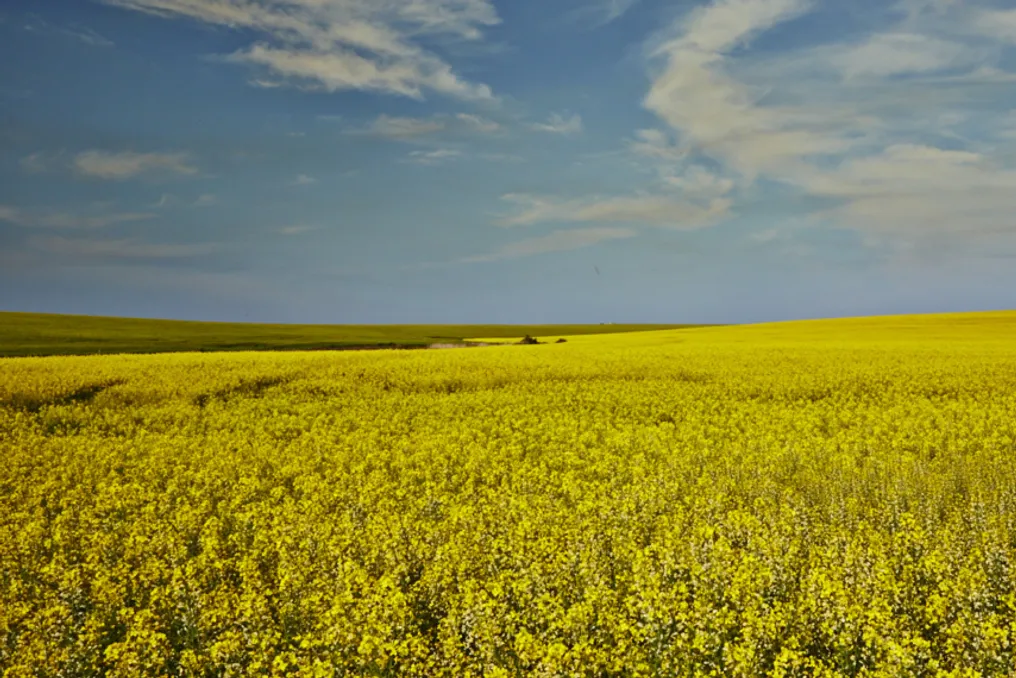
The beginning of heritage is rooted in people. Any brand with historical value originates long before it reaches the consumer. Examples include Amarula and the communities harvesting marula fruit in Limpopo, as well as the long-standing winemaking knowledge behind Nederburg, and the tourism ecosystem around House of J.C. Le Roux and the craftsmanship associated with Klipdrift. These brands support value chains in agriculture, manufacturing, hospitality, and services that extend far beyond the products themselves.
Ramogase emphasized: 'Before a brand reaches consumers, it starts with farmers, transporters, artisans, operators, and production teams. Protecting heritage means protecting the ecosystems that make these brands possible.'
Investing in South Africa's productive future
Earlier this year, Heineken Beverages and Soufflet Malt began construction of a new R2 billion crushing facility near the Sedibeng brewery in Gauteng. Once operational, the facility will produce up to 100,000 tonnes of malt annually, using 100% locally sourced barley, which strengthens South Africa's agricultural value chains and reduces reliance on imports.
The facility is expected to create between 200 and 400 jobs during construction and 55 permanent positions. This reflects the company's broader commitment to localization, agricultural development, and long-term industrial growth. The company has also allocated R775 million to supplier development and localization initiatives, helping to strengthen local industries and create opportunities for entrepreneurs and businesses across the value chain.
Through the Green Seeds Enterprise Development Program, the company supports small businesses through entrepreneurship training, mentorship, specialized guidance, and market access opportunities.
Preserving heritage is more than just celebrating the past; it is investing in the people, skills, industries, and communities that will shape the future. Through its Brew a Better World strategy, Heineken Beverages continues to invest in responsible consumption, water stewardship, climate change resilience, energy efficiency, and circular packaging solutions, supporting the long-term sustainability of the communities and value chains connected to its business.
Passing the heritage forward
Although Heineken Beverages was formed in 2023 through the merger of Heineken South Africa, Distell, and Namibia Breweries, the stories behind these brands began long before. The merger brought together not only a portfolio of established brands but also the people, opportunities, industries, and communities behind them.
Ramogase concluded: 'Heritage is not a license to stand still. It is an obligation to invest in what comes next. By supporting local agriculture, suppliers, employees, entrepreneurs, and communities, we help ensure that these brands continue to create value for South Africa in the distant future.'