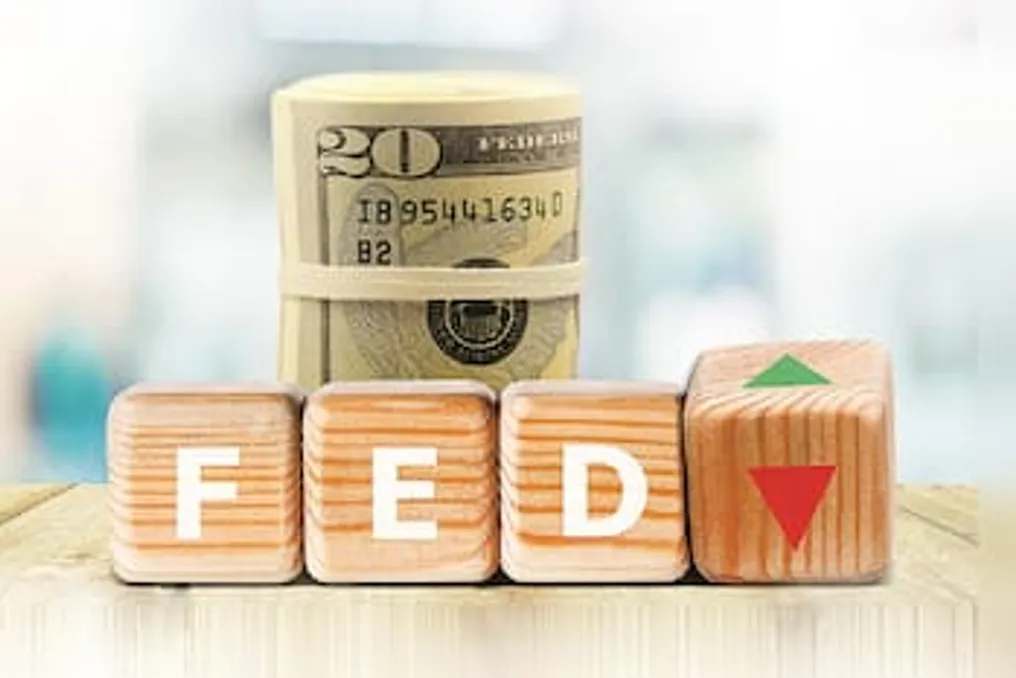
The Central Bank has raised the repo rate to 7.25%, creating an additional financial burden for South African households already grappling with rising prices for fuel, transport, and essential goods. The 25 basis point increase has prompted warnings about financial strain on consumers.
The Monetary Policy Committee unanimously increased the repo rate from 7% to 7.25%, consequently raising the base lending rate from 10.50% to 10.75%. This hike took effect today and marks the second rate increase this year.
Central Bank Governor Lesetja Kanganyo noted that global supply shocks related to conflicts in the Middle East and the war in Russia and Ukraine are contributing to increased inflationary risks. The bank has adjusted its inflation forecast for the current year to 4.4%, expecting overall inflation to exceed 5% later this year and early next year.
Despite GDP contracting by 0.2% in the second quarter, the Bank forecasts annual economic growth at 1.2%.
The Cosatu Federation of Trade Unions criticized the decision, stating that the increased cost of borrowing will negatively affect workers whose finances are already strained. The Federation emphasized that mortgages and other debts tied to the repo rate will become even more expensive and harder to service for millions of struggling workers, further reducing already weak incomes and draining the economy.
Cosatu also pointed out that workers are already battling rising prices for petrol and diesel, increased public transport costs, and electricity tariffs above inflation levels. The Federation stated that most workers are drowning in debt and forced to borrow money to pay for food, electricity, and transport, as well as servicing unmanageable debts.
The Federation argued that inflationary pressure is caused by international events, not strong domestic demand, and called on the Central Bank to refrain from further rate hikes. Furthermore, it strongly recommended that the Ministry of Finance reconsider the fuel levy removal until fuel prices return to pre-war levels.
Sanlam Investments economist Patrick Buthelezi noted that this decision reflects concerns over persistent inflationary pressure, particularly in the services sector and its potential impact on wages and inflation expectations. He added that the concern stems from sticky services inflation, which reached 5.1% in August, as this category typically influences wage and inflation expectations, despite some recent easing in expectations.
Buthelezi also reported that the Bank supports a restrictive monetary policy to minimize the risk of price pressures becoming entrenched. Although the Central Bank's quarterly forecasting model indicates stable rates and possible easing next year, Buthelezi believes the policy will likely remain 'higher for longer.'
PSG Financial Services chief economist Johan Els noted that the unanimous decision was tougher than he anticipated, although he did not expect further increases under current conditions. Els stated that the consensus was more 'hawkish' than he had calculated. He speculated that the Bank is concerned that a prolonged global supply shock could raise inflation expectations, making it difficult to return inflation to the target of 3%.
According to TransUnion South Africa estimates, the rate hike will add approximately R160–R170 monthly to repayments on a R1 million mortgage, and R320–R340 additionally on a R2 million loan. A car borrower of R400,000 can afford to pay about R65 more per month.
TransUnion reported that 38.8% of consumers expect difficulties paying future bills and loans, and the household debt-to-disposable income ratio rose to 62.2% in the first quarter. TransUnion Africa CEO and Regional President Li Naik noted that affordability remains fragile. He stressed that today's rate hike puts pressure on households already facing high costs for fuel, transport, and ongoing affordability issues.
TransUnion cautioned that further tightening of monetary policy could reintroduce repayment pressure, especially in the unsecured lending segment where default rates remain high. According to TransUnion data, consumers are likely to cut discretionary spending, review family budgets, and postpone major purchases as they prioritize debt repayment and essential expenses.