Call to stop blaming women for male-perpetrated violence and focus on prevention
Read more
IOL
iol.co.za

Call to stop blaming women for male-perpetrated violence and focus on prevention

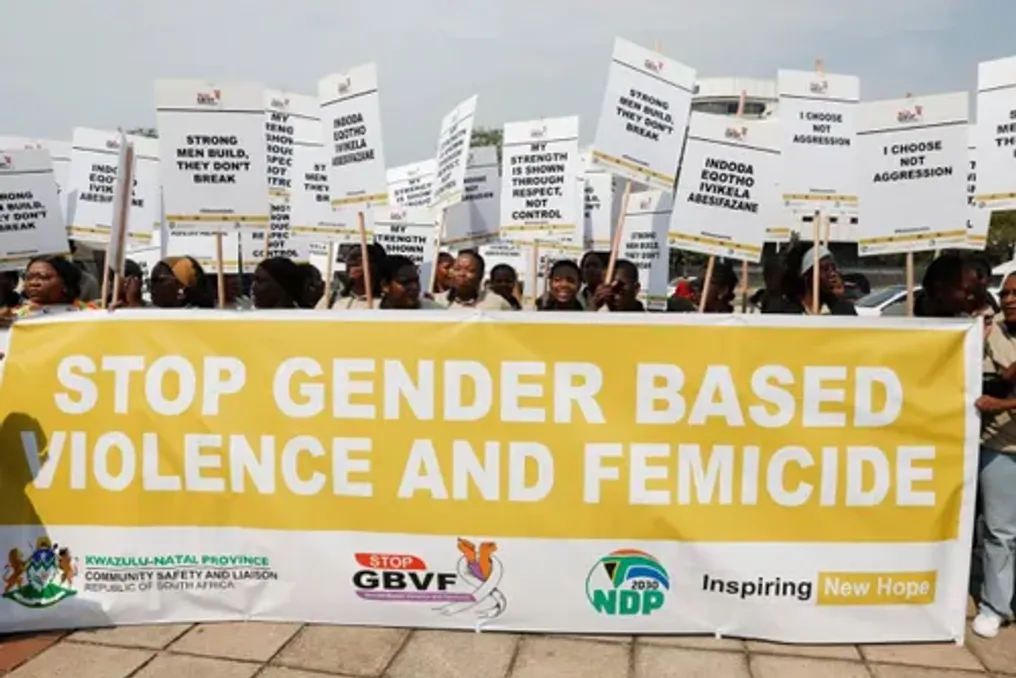
Women in South Africa, despite all the diversity, are tired of living in constant fear. They no longer want their names to become a topic of discussion after they have been raped, beaten, or murdered. They are tired of brief bursts of public outrage, vigils, candle lighting, marches against Gender-Based Violence Against Women and Girls (GBVF), wearing black on Fridays, holding symbolic funerals, temporary cessation of economic activity, and creating purple profiles on social media.

Furthermore, women are extremely irritated by promises that are invariably followed by predictable silence and inaction until another name, another face, or another hashtag appears. These people are not just statistics; they were women such as Elizabeth 'Thunto' Moselakgomo (2026), Delana Kader (2023), Tshegofatso Pule (2020), Uiyene Mrvetyana (2019), Zolile Humalo (2018), Karabo Mokoena (2017), Susan Road (2016), Jade Panayotou (2015), Riva Stingkamp (2013), and Anene Buysen (2013).

These examples represent only a small fraction of women who have experienced GBVF; they are the faces of those whose stories remain untold, whose bodies are unrecognized, and whose tragic fates do not make headlines in social or mainstream media. Meanwhile, the latest SAPS crime statistics (April–June 2026) indicate that 569 women were killed, corresponding to an average of more than six victims daily, and that 1052 women reported attempted murder during the same period.

Every quarter, the Minister of Police publishes reports that highlight the cruelty women face in a country that seems to be at war with them. Recently, the first National Study on Gender-Based Violence in South Africa (GBV) was published, providing baseline national estimates of Violence Against Women (VAW) alongside domestic violence perpetrated by men. The findings of this study were intended to serve as a call to action and an opportunity to adjust and accelerate the response to GBVF.

South Africa has some of the world's leading researchers in all forms of violence and femicide. Nevertheless, despite all this evidence, VAW remains the most pressing social problem facing South Africa in the post-apartheid era. Researchers have studied the factors contributing to GBV for decades, identifying gender inequality, harmful gender norms, masculinity constructs, early exposure to violence in childhood, alcohol use, economic stress, relationship dynamics, as well as the social and institutional environment that facilitates and may impede violence.

This work has allowed the focus of prevention to shift from simply engaging men and boys and raising awareness to changing gender relations, social norms, and, importantly, the systems that support inequality and violence, as well as what can prevent violence. The evidence base should indicate where and how to intervene to stop violence perpetrated by men. This evidence base must also translate into actionable interventions whose effectiveness can be measured by a reduction in the number of men committing violence and women experiencing violence in South Africa.

Our National Strategic Plan on Gender-Based Violence and Femicide recognizes this. Among its six pillars is the prevention and restoration of social cohesion, with an emphasis on evidence-based prevention, changing behavior and social norms, and shifting toxic masculinity. Although documented effective methods for preventing VAW exist, they remain small in scale and localized to specific population groups.

To date, not all implemented 'interventions' targeting men are evidence-based. Most are assessed merely by the number of men present, dialogues conducted, or promises signed, and so on. However, the number of participants only indicates whether we reached them. The number of dialogues held shows that an event took place. Neither, on its own, says whether men's behavior has changed.

As we fight the latest wave of femicides and tend to continue doing what we always have done, we must be careful not to confuse activity with real impact. Despite all the investment and allocation of funds for GBVF since the launch of the GBVF NSP, we must ask difficult but important questions. Failure to do so will lead to our own failure.

A quick review of current national work with men and boys often points to achieved figures or trained individuals, men's marches against GBV, signed pledges, dialogues held, Men's and Boys' Parliaments convened, positive masculinity and behavior change workshops, school programs, marches, and awareness campaigns, as well as the recent use of drama and poetry as educational tools to address GBVF issues. Some of these efforts are important for creating critically necessary initial spaces for conversations that many men and boys have never had, and can be gateways to challenging unquestioned gender and masculine norms. However, they cannot stop GBVF and reduce violence if implemented outside a well-funded, sustainable, scientifically sound, and effective prevention agenda.

If we are serious about making our response to GBVF evidence-based, we must ask about outcomes. Has the registered number of VAW cases decreased? Has the level of knowledge increased, and has this led to measurable changes in behavior? Have attitudes and gender norms changed? Have these changes been sustained? Has the amount of destructive behavior decreased? Have reports of physical and/or sexual violence decreased? Are men committing less violence?

Five years into the implementation of the GBVF NSP, its review points to the same problems: significant preventive activity, but a lack of implementation of a Comprehensive National Prevention Strategy and too many efforts remaining short-term. It is important to note that this is not a story of nothing happening. The review notes progress in broader national response and calls for the next five years to include the evaluation of key prevention programs and interventions aimed, among others, at men and boys.

However, there is no doubt about whose behavior we have modified and controlled for decades. We have turned GBVF prevention into a women's issue. Women already participate in informal behavior change programs every day. It is intensive. It starts with us girls. It happens everywhere. And it never truly ends. Women are advised: 'Don't sit like that, sit like a girl. Don't walk alone. Don't wear mini-skirts. Don't run too early. Don't run too late. Check the trunk and back seat before getting in. Share your location. Sit in the front of the Uber. Watch your drink. Don't wear headphones. Make your Strava private. Text me when you get home. Don't walk alone. Don't be out after dark.' And these are just the obvious things.

Underneath all this lies a hypervigilance that many women internalize from childhood. The threat of violence shapes women's lifestyles even on days when nothing is happening. There is love in these warnings, but there is also something deeply wrong with how necessary they have become.

Of course, practical safety tips have their place. We can personally attest to their value. Give us all the tools that can help us get home safely. But we must clearly understand what these tools do. They help us manage the risk of someone else's violence. This can save lives, but managing the risk of violence is not the same as preventing and stopping its commission.

And too often, when all our careful calculations fail, attention turns back to women. After decades of asking women to anticipate violence, avoid violence, cope with violence, and protect themselves from it, it is time to focus our national efforts on preventing and stopping male violence. Why are we normalizing freedom for everyone except women? When will we confront the real problem? Why are we making the environment comfortable for offenders while restricting the freedom of women and young girls? Stop telling women to go into 'lockdown' while offenders should be isolated. Stop asking women to prevent men's violence!

Similar stories

Declaring Gender-Based Violence a National Disaster: Changes for Women in South Africa
Read more
iol.co.za

Declaring Gender-Based Violence a National Disaster: Changes for Women in South Africa

On Thursday, police discovered the body of a ninth woman in Don Park in East Rand, Ekurhuleni municipality, Gauteng province. The discovery of bodies has once again raised serious concerns about women's safety in the area.

Gender-Based Violence and Femicide (GBVF) were classified as a national disaster in November 2025. This decision was made amid growing public pressure and protests related to the crisis facing women in South Africa.

The Minister of Co-operative Governance and Traditional Affairs, Velenkosini Hlabisa, announced this classification after the head of the National Disaster Management Centre determined that GBVF met the threshold for a potential disaster according to Section 23 of the Disaster Management Act. This step placed the primary responsibility for coordinating and managing the national disaster on the National Executive Authority, pursuant to Sections 23 and 26 of the Act.

The private sector, local communities, and individual citizens were also called upon to intensify efforts to prevent and mitigate risks.

By September 2026, the discovery of multiple female bodies in Ekurhuleni, including Kempton Park, once again drew attention to the femicide crisis in the country. Police are investigating possible links between these cases but have warned against prematurely stating whether the murders were committed by a single perpetrator or if they are connected in any way.

For many South Africans, the circumstances surrounding these deaths are difficult to comprehend. Behind each body is a woman who had a life, aspirations, relationships, and a family now forced to cope with her loss.

This raises a complex question: what has the declaration of GBVF as a national disaster achieved, and what effect has it had on women's safety? It is deeply alarming that women continue to live in fear of violence, while communities mourn women whose lives were brutally cut short.

The latest fatalities should not be viewed solely as individual crimes. They must also serve as an impetus to examine issues of prevention, police work, investigations, prosecutions, support for victims and survivors, and the effectiveness of structures established to combat GBVF.

What is happening to women in South Africa requires more than just declarations and programs; it demands sustainable action, accountability, and a society where violence against women is opposed by the government, communities, and men themselves.

Siya Kolisi called on South African men to fight gender-based violence
Read more
iol.co.za

Siya Kolisi called on South African men to fight gender-based violence

Siya Kolisi issued an emotional appeal to the men of South Africa to unite and take action against the crisis of gender-based violence in the country, stating that it is time to stop merely talking about the issue.

Speaking from Australia, where the Springboks team is preparing for a match against the Wallabies next week, Kolisi urged South Africans to combat gender-based violence following recent horrific murders of women in the suburbs of Johannesburg.

In the last two months, nine female bodies have been found in the Ekurhuleni region, some of which were located in the Kempton Park area. For Kolisi, this issue is deeply personal, as he grew up in the village of Zweig in the Eastern Cape and has previously used his significant public platform to highlight social problems, including violence against women.

In light of the new wave of horrors in South Africa, the two-time World Cup winner particularly appealed to men to take responsibility. In a video posted on social media, Kolisi stated: 'I always call on South Africans to stand with us during games, and now I am asking all South Africans to unite against gender-based violence in our country.'

He emphasized that this situation has lasted too long and is a daily reality, not just a headline fodder. Kolisi also called on other sports teams and athletes to use their platforms to fight this problem, urging men's sports teams in the country to speak out about what is happening.

Addressing the country's men directly, Kolisi said they must acknowledge and accept the fact that they are the source of the problem, and they urgently need help. He insisted that without receiving assistance, the situation will continue.

Kolisi strongly recommended that influential people, including podcasters and other authoritative voices, go beyond mere awareness-raising and turn their words into real action. He noted that raising awareness is not the only possible step, and he questioned how to mobilize people to help.

For him, change must start in everyday conversations between men. He stressed that this goes far beyond the news, and that the most important thing is talking with friends. He then made the issue intensely personal, wondering how he could explain the inaction of men to the women and children he cares about. He also mentioned that he is failing in his duty to his son by not improving his skills and striving to be better.

Acknowledging that he does not have all the answers, Kolisi expressed his willingness to use his platform to assist those who know solutions. He called on South African leaders to help men tackle this issue by creating conditions for education and self-improvement. In conclusion, he stated that he wants to be part of the solution, not the problem, urging South Africans, especially men, to speak up and act.

Despite declaring GBVF a national catastrophe, murders of women continue in South Africa
Read more
iol.co.za

Despite declaring GBVF a national catastrophe, murders of women continue in South Africa

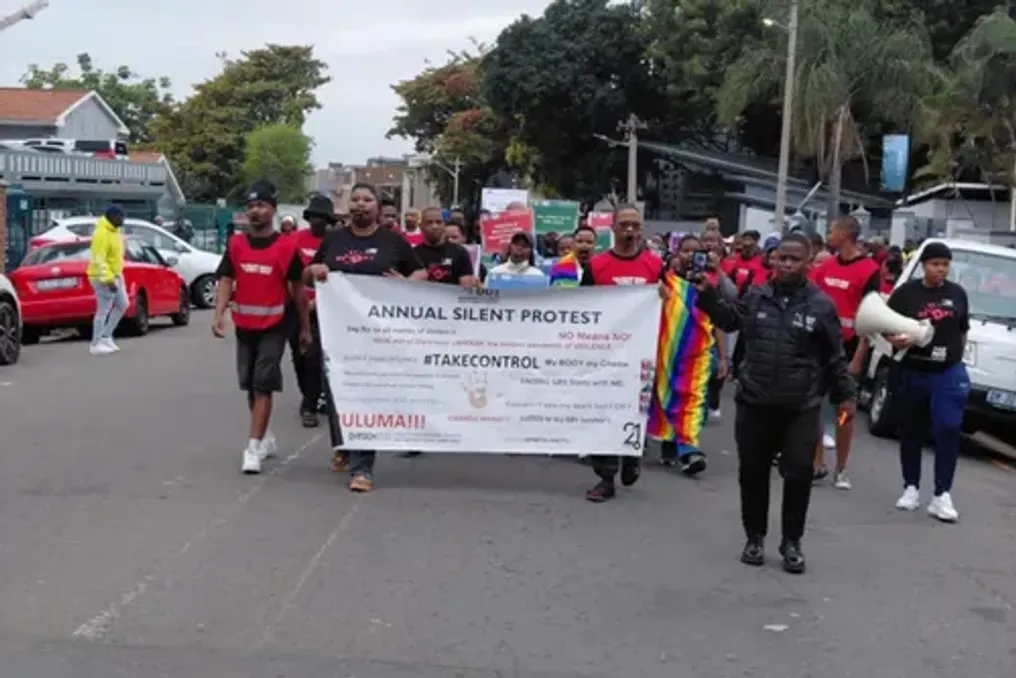
In South Africa, students and staff from DUT marched silently through Durban to honor the memory of victims of gender-based violence and femicide, and to call for an end to violence, fear, and silence.

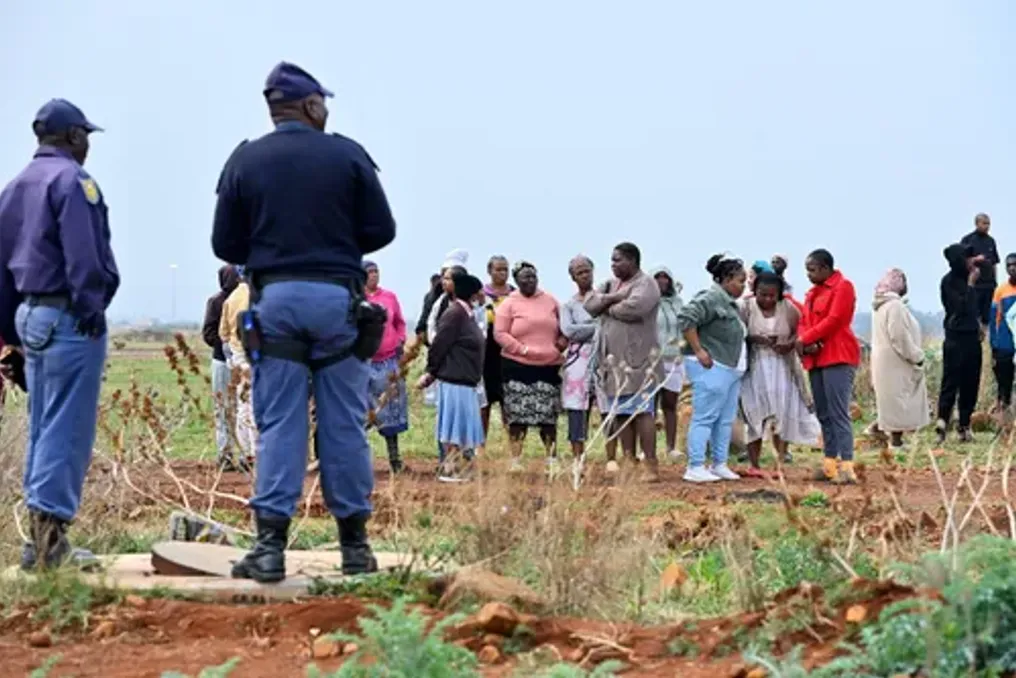
In the eThekwini area, the body of a sixth woman was found in approximately two months. Police are investigating possible links between these cases but warn that it is too early to speak of a serial killer's guilt.

Nevertheless, this should not distract from the broader crisis. South Africa does not lack reports of GBVF; it lacks consequences, protection, and urgency.

The case of 38-year-old Elizabeth 'Ntontso' Moselakgomo intensified public anger. Moselakgomo, a mother, went missing after going for a run. Her family later identified her body at the Germiston morgue. The police deployed specialized resources to investigate her death alongside other murders.

The circumstances of the deaths are still being determined, and it would be irresponsible to claim that the women were killed by the same person before investigators establish that. However, six bodies in a concentrated geographical area demand an exceptional response.

Police have already involved multidisciplinary investigators and forensic specialists. One suspect is in custody in connection with the first body found in July. Investigators are now working to identify connections between these cases. Therefore, the public needs more than just assurances that investigations are underway; it needs results.

Because for the women living in eThekwini, the question is not whether the authorities will eventually explain what happened, but whether the state can prevent the next woman from becoming another case.

Murders in eThekwini occur against the backdrop of a national crisis. SAPS registered the murder of 569 women between April and June 2026, as well as 9201 rape cases. Over 60% of the rape cases sampled occurred in residential premises, challenging the notion that violence against women is a danger lurking somewhere outside the home.

The scale of this is precisely what led the government to classify GBVF as a national catastrophe in November 2025. This classification was intended to allow the government to coordinate its response, direct resources to the crisis, and strengthen accountability. The government also established a National GBVF Council to coordinate the national response.

However, almost a year after the declaration of the catastrophe, frontline organizations continue to report serious resource issues. The South African National Shelter Movement states that about 90% of shelters supported by them are struggling with funding and other forms of support. These facilities may be necessary for women trying to escape abusive homes, receive counseling, legal aid, or protect their children.

This reveals a fundamental contradiction. If GBVF is a national catastrophe, the infrastructure protecting its victims cannot be treated as a secondary issue.

South Africa is not alone in the fight against femicide. In Cameroon, reports indicate that over 120 women have been killed by intimate partners since the beginning of the year. In response, the government launched a three-month national campaign targeting femicide, domestic violence, gender inequality, and male dominance, focusing on prevention, reporting crimes, and prosecution.

Cameroon's campaign itself does not solve the problem. Campaigns only make sense when backed by functioning institutions. But the comparison raises an important question for South Africa: what does emergency action look like when a crisis has already been officially recognized?

It should mean swift police investigations. It should mean adequately funded shelters. It should mean prosecutors effectively handling cases. It should mean the enforcement of protection orders. It should mean early intervention when patterns of abuse emerge. And it should mean confronting the attitudes among men who normalize control, the right to dominate, and violence against women.

The most dangerous response right now will be another cycle of outrage followed by another declaration. The state has already acknowledged the problem. President Cyril Ramaphosa declared GBVF a national catastrophe, and the government established a status National Council and promised increased policing, survivor support, and prevention programs.

The question is no longer whether the government understands the crisis. The question is whether the system delivers results. This means publishing measurable targets for investigations, prosecutions, convictions, protection orders, shelter capacity, and police responsiveness. It means identifying where resources are lacking and addressing those gaps instead of creating another layer of bureaucracy. And it means that men must become part of the solution, not just receive instructions to condemn violence after another woman dies.

The women found in eThekwini cannot be reduced to statistics. Nor can the 569 murdered women in three months be reduced to statistics. South Africa has already named GBVF a national catastrophe. Now the state must act as if it believes its own declaration.

Popular