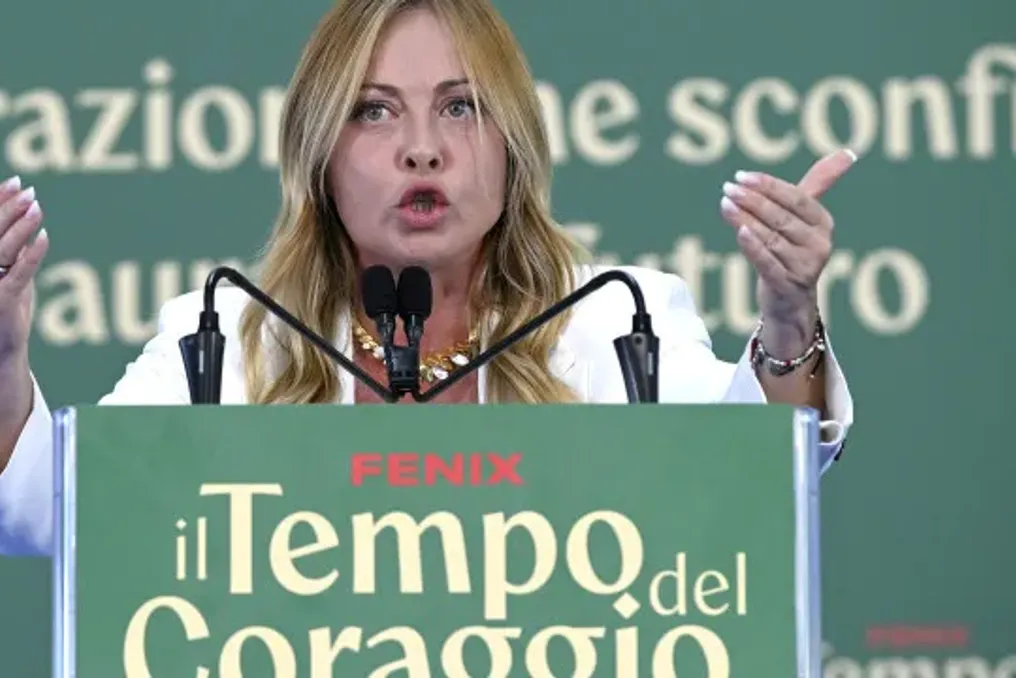
The Italian government, led by Prime Minister Giorgia Meloni, has adopted significant decisions concerning the education system. A quota has been established for the number of students with a low level of Italian language proficiency, and a ban on wearing masks in schools has been introduced.
Meloni's administration asserts that these new rules contribute to improving the process of learning the Italian language among students and strengthening their integration into the educational environment. However, this decision has drawn criticism from the opposition, several teachers' unions, and other associations, who warn of the potential negative impact of these measures on students and their families.
According to the new government plan, the proportion of children who do not have sufficient command of the Italian language in any class must not exceed thirty percent. It is important to note that the criterion for determining this proportion is not the child's citizenship, but their language competence. Thus, students from European Union countries who also speak poor Italian fall under this regulation. The government believes this will help reduce the number of classes where the majority of children find it difficult to understand the language.
Under these same provisions, a decision was made to ban the wearing of Islamic clothing that completely covers the face in educational institutions. The government justifies this ban by stating that it will stimulate communication and integration at school. Meloni called these measures 'simple common sense,' emphasizing that the goal is not to divide students into groups, but to ensure equal opportunities for all.
The government's decision has met with resistance. Critics point out that the 30 percent restriction may force some students to attend schools in different areas, rather than those near their homes. Furthermore, opposition parties and some educators accuse the government of using the immigration issue to escalate political debates.
The government decree entered into force immediately, but it requires parliamentary approval within sixty days. Since Meloni's coalition holds a majority in parliament, the impact of this decision on immigration and identity issues in Italy may become apparent in the near future.