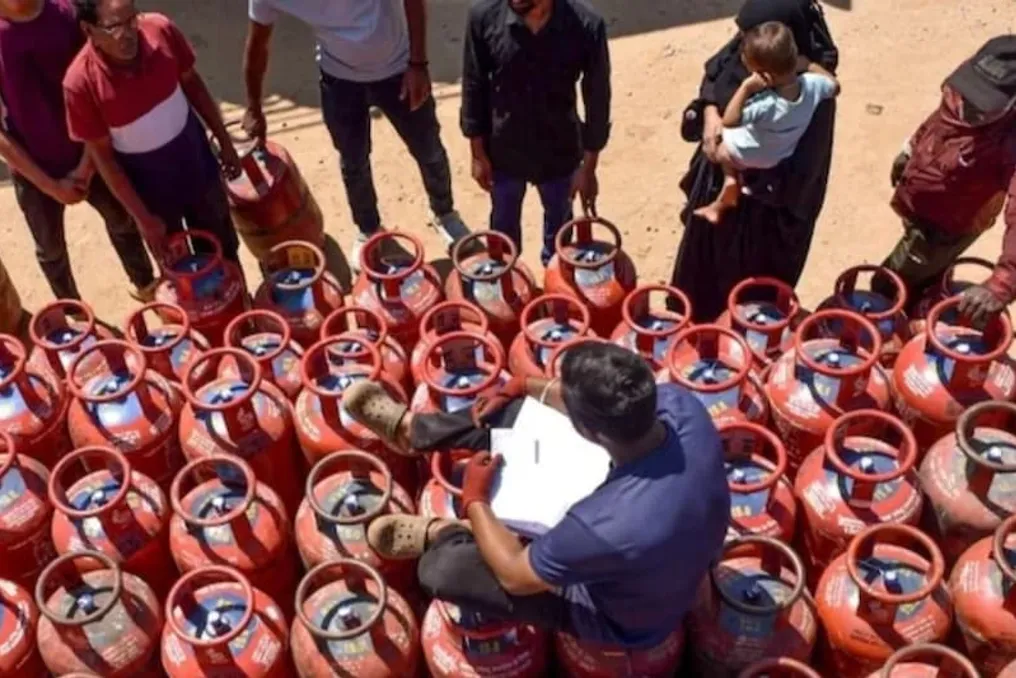
New LPG Cylinder Booking Rules Take Effect on October 1st: Biometric Authentication Required
Read more
Aaj Tak
www.aajtak.in

New LPG Cylinder Booking Rules Take Effect on October 1st: Biometric Authentication Required

There are only five days left until the beginning of October, after which a number of significant changes will come into force in the country, including a new rule concerning liquefied petroleum gas (LPG) that every LPG user needs to know.

The government plans to introduce new norms for domestic gas cylinders starting October 1st. According to these rules, the use of biometric authentication based on Aadhaar (BAA) is now mandatory. Without completing this procedure, it will be difficult to receive a subsidy for the cylinder, which may require purchasing a more expensive cylinder.

The government previously clarified the changes in the procedure for booking LPG cylinders, which will come into effect on October 1st. Now, to order at the price set by the regulated retail price and to receive a government subsidy for LPG, consumers must undergo Aadhaar biometric authentication (BAA).

If an LPG user does not comply with this requirement before October 1st, according to the new rules, they will continue to receive cylinders, but they will be forced to purchase the LPG cylinder at market value and lose the benefit of the government subsidy.

It is important to note that consumers who have already completed the biometric authentication procedure will not need to undergo this process again. The goal of this government step is to ensure that subsidies for cylinders go to the families that are entitled to them.

Furthermore, this will help prevent commercial and industrial use of subsidized domestic cylinders, as well as identify duplicate and illegal connections. According to the Ministry of Petroleum, 27.43 million active domestic LPG consumers across the country completed biometric authentication by September 19th.

Regarding the LPG cylinder subsidy, in September 2026, the indirect subsidy for a 14.2 kg domestic LPG cylinder amounts to about 210 rupees. LPG consumers can easily complete this procedure, as there are several options available. Authentication can be done during the home delivery of the LPG cylinder.

There is also an option to complete the process by visiting the showroom of their gas distributor. If it is necessary to do this remotely, the process can be carried out through the mobile applications of state oil companies: IndianOil ONE, HelloBPCL, and HP PAY.
Similar stories

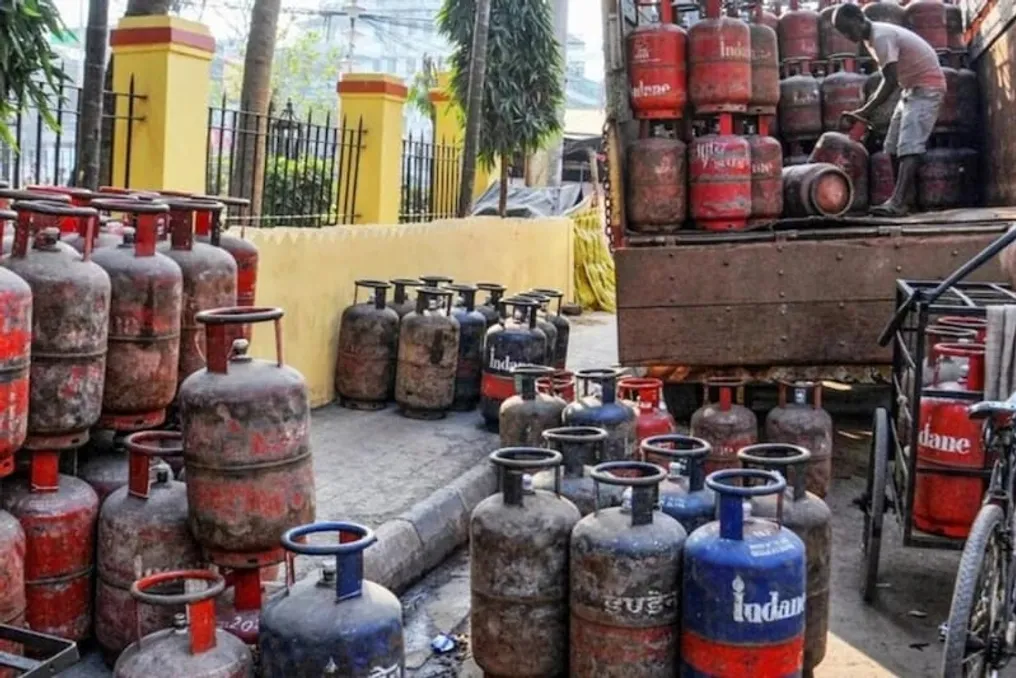
Indian Government Activates Plan B to Boost Liquefied Gas Production Ahead of Festive Season
Read more
www.aajtak.in

Indian Government Activates Plan B to Boost Liquefied Gas Production Ahead of Festive Season

Amid ongoing tensions in the Middle East, including issues with sea routes such as the Strait of Hormuz and the Bab el-Mandeb, the Indian government has begun implementing its Plan B. This action is taken ahead of the festive season, when a rise in liquefied petroleum gas (LPG) consumption is expected, and potential supply disruptions from Persian Gulf countries could lead to shortages.

To ensure public needs during the holidays, state-owned refineries have focused efforts on increasing domestic LPG production.

According to a Bloomberg report, due to increased domestic demand for LPG during the festive period, state-owned refineries have started ramping up liquefied petroleum gas output. The reason for this is the persistent disruption of LPG supplies from the Persian Gulf amid tensions in West Asia, which poses risks to the country's energy security. Therefore, production increases were initiated even before the holidays due to supply uncertainties.

The government's plan is beginning to show results against the backdrop of seasonal demand and supply issues. Domestic LPG production at state-owned refineries has reached approximately 44,000 tonnes per day, which is nearly 20% higher than the average figure in August of last year. This growth in domestic production occurs while India prepares for a period of high consumption leading up to Diwali in November, and may also receive an additional boost from winter demand.

Although the series of attacks between the US and Iran has ceased, tensions around the Strait of Hormuz between these two countries persist. Consequently, the government is taking continuous steps to cover the LPG deficit in India, which arises from prolonged disruptions in oil and gas transportation along this critical maritime route. In this regard, the center has determined the distribution of LPG for states and key industries.

Previously, domestic refineries had reduced their high level of LPG production achieved during the war, as alternative supplies arrived from America and Africa during the summer. However, this proved insufficient for holiday needs, so domestic LPG production was increased again. Furthermore, the government reduced the minimum waiting period for refueling, which was in effect during the LPG supply crisis in March, from 45 to 25 days.

India is the world's second-largest importer of LPG and has historically been heavily dependent on supplies from the Persian Gulf. This dependence means the country is significantly affected by conflicts and trade instability in the region.

Regarding current LPG canister prices, in Delhi, the price for a 14.2 kg domestic LPG cylinder is 942 rupees, in Mumbai it is 941.50 rupees, and in Kolkata it is 968 rupees. In Noida, the price for a domestic cylinder is 939.50 rupees, while in Hyderabad it is the highest at 994 rupees. For a 19 kg commercial LPG cylinder, it costs 2,747.50 rupees in Delhi and 2,701 rupees in Mumbai.

Popular