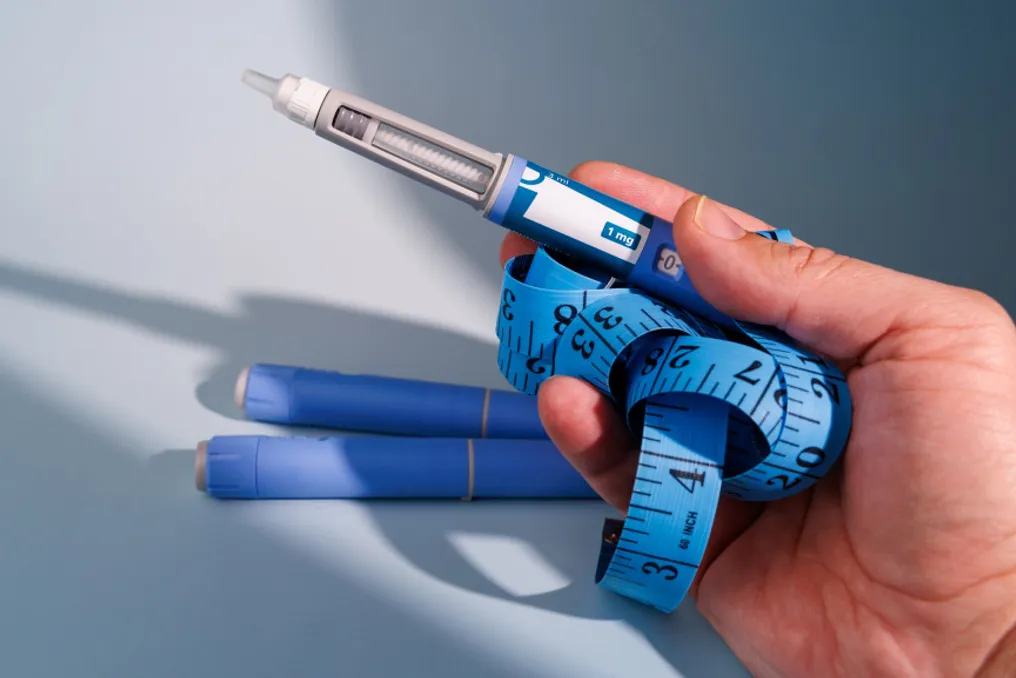
The Ministry of Health formally submitted a request on Thursday (24th) for the National Commission for the Incorporation of Technologies into the Unified Health System (Conitec) to analyze the possibility of incorporating medications containing semaglutide and liraglutide into the SUS, aiming for obesity treatment.
This request expands the scope of medications under review. Previously, the discussion regarding the availability of these weight-loss pens in the public network focused mainly on semaglutide.
The Conitec evaluation constitutes an essential phase before any incorporation into the SUS. Even if a positive recommendation is made, it will still be necessary to establish clinical parameters for patients to access the treatment.
Price and Market Analysis
A relevant factor considered by the Ministry of Health in this new plea is the change in the cost landscape. The entry of new manufacturers and the resulting increase in competition led to an approximate 70% drop in the prices of these drugs in less than a year.
Currently, there are 25 registered weight-loss pens in Brazil, 14 of which were approved in 2026. This strategy has also boosted domestic production and diversified the options available in the market.
With the decrease in values, the potential cost of a possible inclusion in the SUS is now being evaluated from a different perspective than past analyses, which predicted billion-dollar financial impacts over five years, depending on the number of patients and the duration of treatment.
Inclusion of New Active Ingredients
The new request covers both semaglutide and liraglutide, active substances that, according to the Ministry of Health, are no longer under patent protection. The addition of liraglutide increases the range of alternatives that Conitec can examine.
In a preliminary evaluation conducted in 2025, the commission had suggested not incorporating liraglutide for people with obesity and type 2 diabetes. However, the current request reflects a reassessment within the current context of drug supply and pricing.
It is important to note that the protocol presented by the Ministry of Health does not guarantee the immediate distribution of the pens throughout the national territory. Conitec must conclude its evaluation and issue a recommendation. If a favorable response is given, it will be necessary to determine who will be entitled to the treatment, under what conditions, and how the service will be structured.
The Ministry of Health itself emphasizes that a possible incorporation must define rigorous clinical criteria, concentrating treatment on individuals whose health benefits may be significant, reducing complications or the need for more complex interventions.
Additionally, the demand for this type of treatment has grown considerably in recent years. Data provided by the Ministry of Health indicates that the percentage of obese adults in Brazil rose from 11.8% in 2006 to 25.7% in 2024.