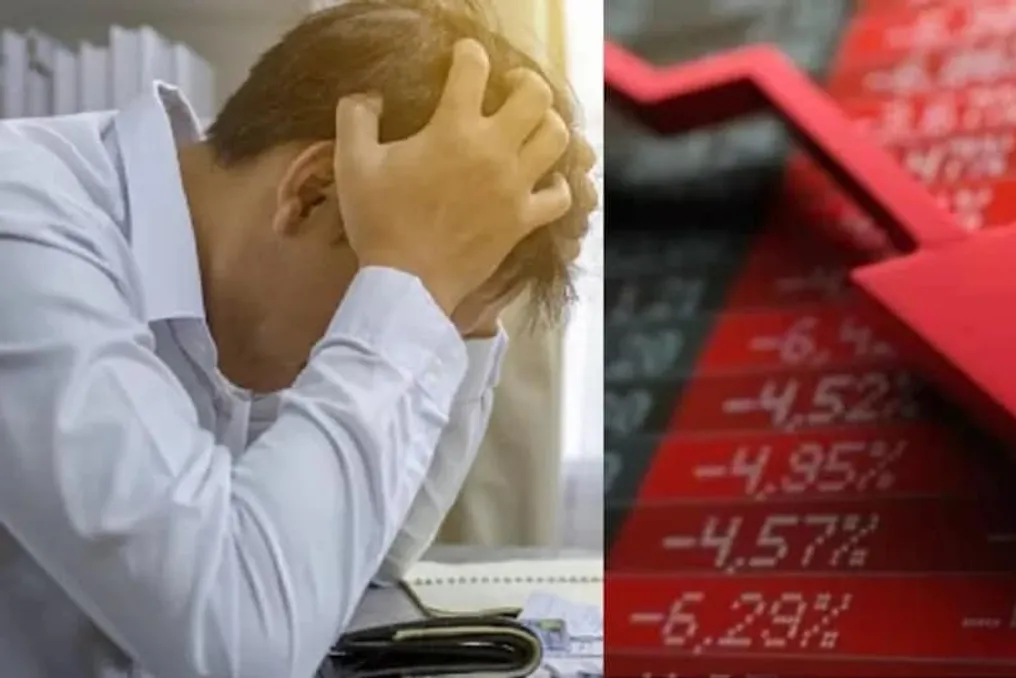
Policy Bazaar shares fell by 35% in one day due to insurance regulator's proposal
Read more
Aaj Tak
www.aajtak.in

Policy Bazaar shares fell by 35% in one day due to insurance regulator's proposal

The stock market has examples where shares can quickly generate profit, while others can lead to significant losses. However, on Thursday, Policy Bazaar shares surprised investors with a sharp decline, resulting in a collapse of over 35% in a single trading day after the market opened.

Amidst the stock market downturn, Policy Bazaar shares were among the steepest decliners. The reason for this sharp drop is linked to a proposal put forward by the insurance regulator.

Policy Bazaar shares opened at 1697.70 rupees, significantly lower than the previous day's close of 1893 rupees. After opening, the price began to fall rapidly, reaching a level of 1207 rupees. Despite a slight recovery by the time the market closed, PB Fintech shares finished trading at 1244 rupees, representing a loss of 642 rupees in one day.

The significant drop in Policy Bazaar shares directly impacted the company's market capitalization, which sharply decreased to 55,310 crore rupees. It should be noted that the maximum share level over the last 52 weeks was 1964.20 rupees, while the new minimum level reached on Thursday was 1207 rupees.

The main reason for the collapse of Policy Bazaar shares is the proposal from the Insurance Regulatory and Development Authority of India (IRDAI). This proposal includes changes to commissions, distribution payouts, and expenses in the insurance product sector. These changes concern tightening commission limits for life, health, and auto insurance, as well as adjusting payouts for credit-based insurance sales.

These IRDAI proposals raised concerns among investors regarding how they might affect the financial standing of companies like Policy Bazaar due to reduced commission payments.

The foreign brokerage firm Jefferies also expressed concern about the potential impact of IRDAI's proposals on the revenues of insurance companies. Jefferies predicts that a 10% reduction in commission rates could lead to a 10–12% decrease in revenue for PB Fintech and Turtlemint. The broker called this a serious risk.

The main problem is that if insurance companies are forced to operate with lower commission payments, it will put pressure on their margins and revenue unless they make corresponding changes to their pricing policy, products, and distribution model.
Similar stories

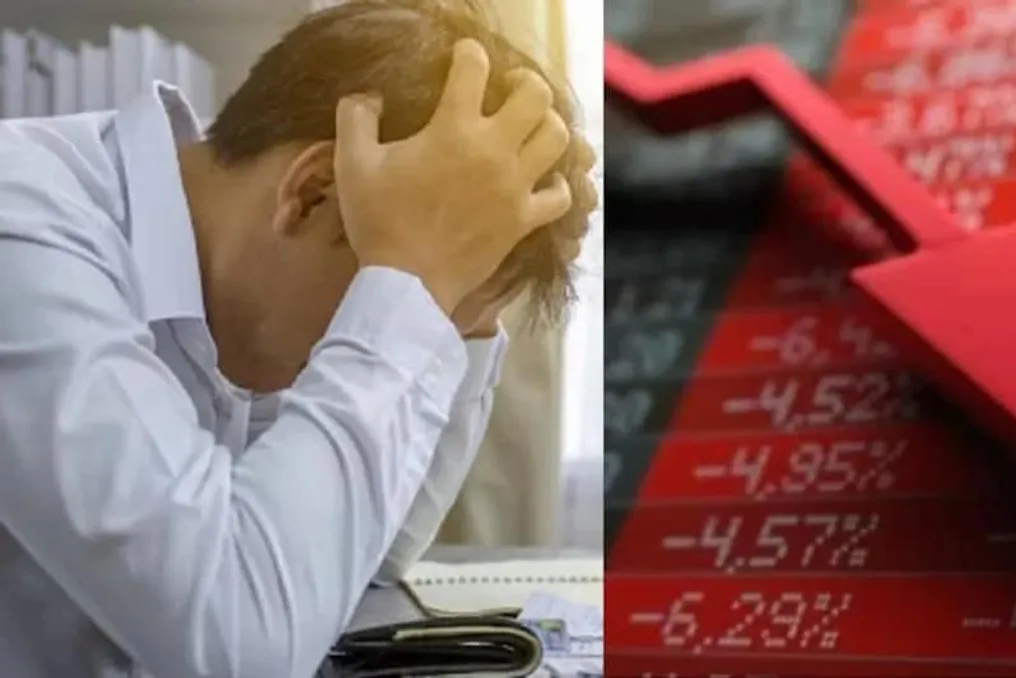
Three US-related signals could trigger stock market crash
Read more
www.aajtak.in

Three US-related signals could trigger stock market crash

A new crisis in the stock market is possible, as evidenced by signals coming from abroad. In particular, two decisions made in the United States are causing concern among investors in India. Furthermore, the collapse of the American stock market and the movement of Gift Nifty indicate a probable significant decline in the Sensex-Nifty index. After two days of growth, the market has once again faced a threat.

After a period of prolonged stagnation, the market began to show activity. Previously, there was a continuous downward trend in the stock market. For example, before the start of the current week, the Sensex with 30 stocks and Nifty with 50 stocks showed a drop of more than 2%, leading to substantial losses for investors. However, over the last two trading days, the dynamic changed, and investors felt relief due to the rise of Sensex-Nifty. Nevertheless, new signals received by the market cast doubt on this relief.

Two of the most significant signals pointing to a potential stock market crash are related to the US. Firstly, the US Federal Reserve announced an interest rate hike. At the Fed meeting led by Kevin Powell, the interest rate was increased by 25 basis points, or 0.25%. As a result, the federal rate in the US reached the range of 3.75% to 4%.

The second major factor is the expected approval in the US Senate of a bill that introduces new sanctions against Russia. This step is causing tension in India. According to this provision, US President Donald Trump will gain the right to impose tariffs of up to 100% on countries importing oil and gas from Russia, and India is among the major buyers of Russian oil.

The third indicator signaling a possible crash comes from Gift Nifty, which is considered a key indicator for Sensex-Nifty and reflects the state of the American stock market. Following the announcement of interest rate hikes in the US, the Dow Jones index plummeted in the previous trading day, showing a sharp drop of 1.21% or 631 points. Moreover, Gift Nifty traded in the red zone since the beginning of Thursday, indicating deteriorating sentiment in the Indian stock market.

The indices of the Indian stock market, Sensex-Nifty, closed with strong growth on the previous trading day, Wednesday. The BSE Sensex finished trading at 74,336.45 points, demonstrating a rise of 332.63 points during the day. The NSE Nifty closed at 23,217.60 points, showing a drop of 99 points. However, signals from abroad indicate that this sharp rise may be followed by a significant decline on Thursday.

Popular