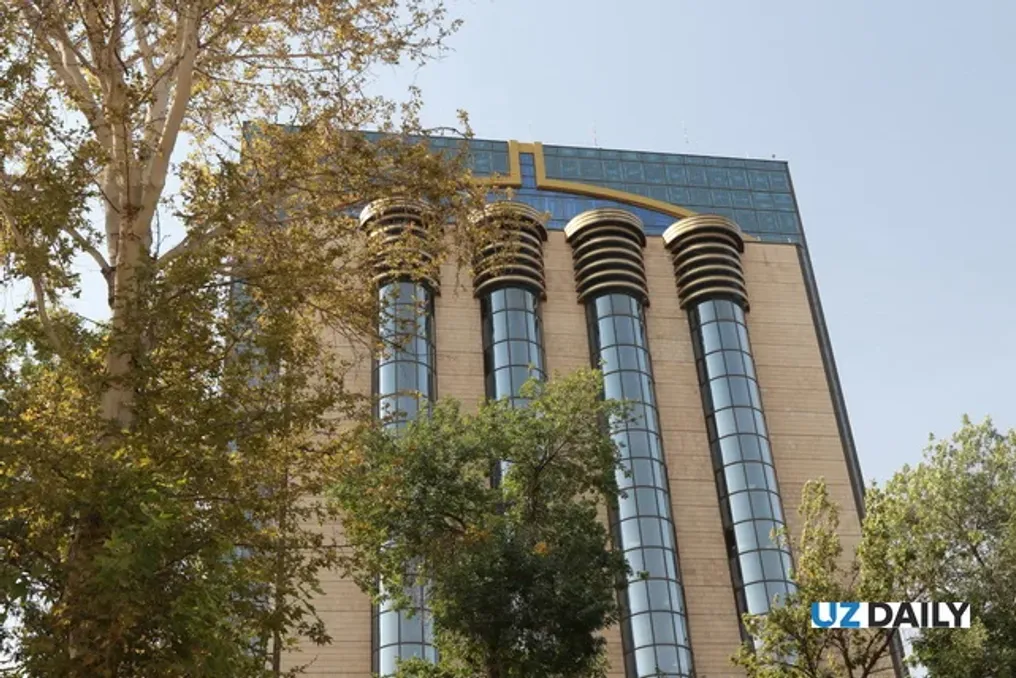
The Central Bank of Uzbekistan has prepared a new regulatory framework that defines a special legal regime known as the 'regulatory sandbox,' intended for testing financial services. This draft document has been published on the portal for discussing normative legal acts projects.
The new version aims to replace the current provision adopted in October 2022. The draft clarifies the conditions for participation, requirements, and obligations for all participants, as well as the application review procedure.
One of the key changes will be the division of projects into three tracks: innovation, acceleration, and technological partnership.
The innovation track is intended for service developers based on new, non-standard, or previously unused approaches in the market. Such projects must aim to eliminate inefficiencies, meet customer needs, increase financial accessibility, and provide specific benefits.
The acceleration track will be used to test financial services that are new to the Uzbek market but have already been tested or implemented in other countries. Applicants must demonstrate the potential to scale the service if the trials are successfully completed.
The technological partnership track will allow banks and other organizations to test technical solutions developed to improve financial services. These developments must not violate existing legislation or regulatory norms.
Projects in the acceleration track can undergo testing for up to 12 months, with an option for a six-month extension. The standard testing period of up to three years remains for the other tracks.
All applications, their review, testing monitoring, and data exchange between the Central Bank and participants will be carried out through a special electronic platform. Before submitting an application, companies can receive preliminary consultations, which may include an assessment of the business model and service provision mechanisms, determination of the possibility of testing in the sandbox, discussion of legal and technological issues, as well as identification of potential consumer, operational, and other risks.
The draft pays special attention to cybersecurity and information protection. Applicants are obliged to provide information on measures ensuring cybersecurity and information protection, as well as the protection of personal data and banking secrecy.
Failure to ensure confidentiality and cybersecurity for technical reasons may be grounds for refusal to grant the special regime. The Central Bank may also reject an application if the proposed legislative changes necessary for implementing the service are deemed inappropriate.
The application review period will remain the same—40 working days. However, it is planned that the decision notification will be sent to the applicant within one working day instead of three.
A participant can be excluded from the sandbox if they remain inactive for six months after launching the project. The termination of the special status may also occur as a result of cybersecurity incidents leading to the leakage or loss of confidential data.
Comments and suggestions on the draft are accepted until September 26.