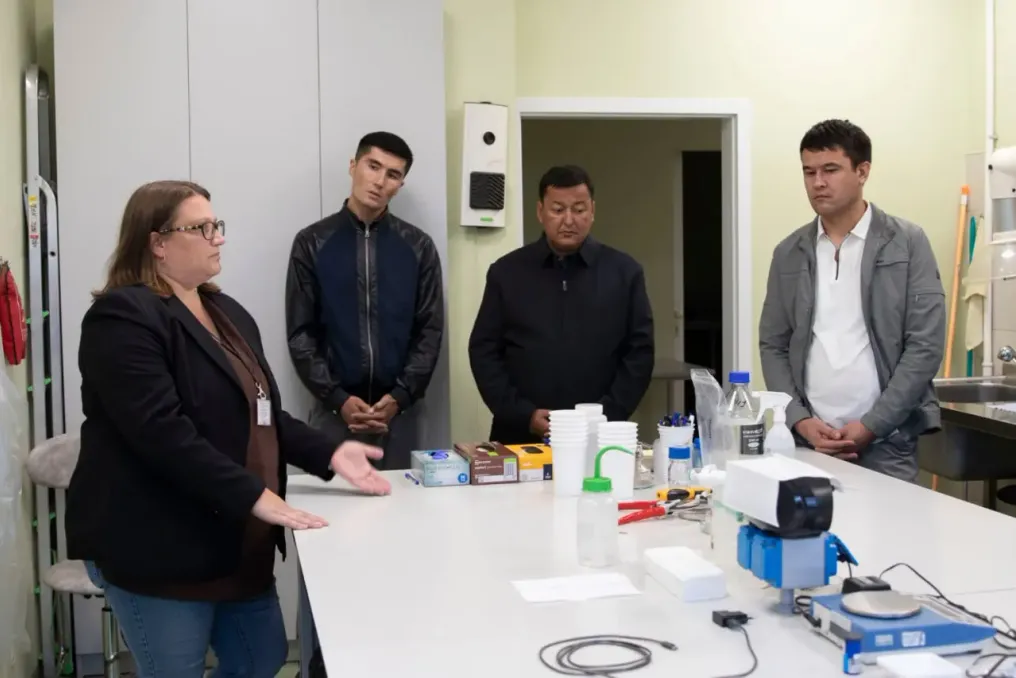
Uzbekistan and Latvia are implementing an experience exchange program focused on food safety, phytosanitary control, and the development of agricultural exports. According to the Uzbekistan Food Safety Agency, the goal of this project is to improve Uzbekistan's national system based on international practices.
The project, titled 'Development of Safe Food Production and Export in Uzbekistan,' is carried out with the support of the Latvian Ministry of Foreign Affairs. As part of this program, Uzbek specialists are in Riga from September 21 to 25 to study Latvia's experience in organizing phytosanitary export control, plant protection, quarantine, and ensuring food safety.
Special attention is paid to modern digital tools for monitoring and control, as well as the possibilities of their implementation in Uzbekistan. The training program covers topics such as food security and sustainable agriculture development, support for farms, and the introduction of scientific and innovative methods into agricultural production in line with global standards.
Latvian specialists also demonstrate practical methods for detecting, observing, and forecasting the spread of harmful organisms, risk assessment, and organizing phytosanitary control in various regions using modern information systems. The agency noted that adopting such approaches can contribute to improving the plant protection system, preventing pest spread, timely monitoring, and taking necessary phytosanitary measures.
According to the agency, as cooperation develops and relevant approaches are implemented, fruit and vegetable exports from Uzbekistan to Latvia reached 7 million euros in 2025. It is expected that this program will promote further knowledge exchange between specialists from both countries, the introduction of modern technologies, and the creation of a system for producing and exporting safe agricultural products in Uzbekistan.