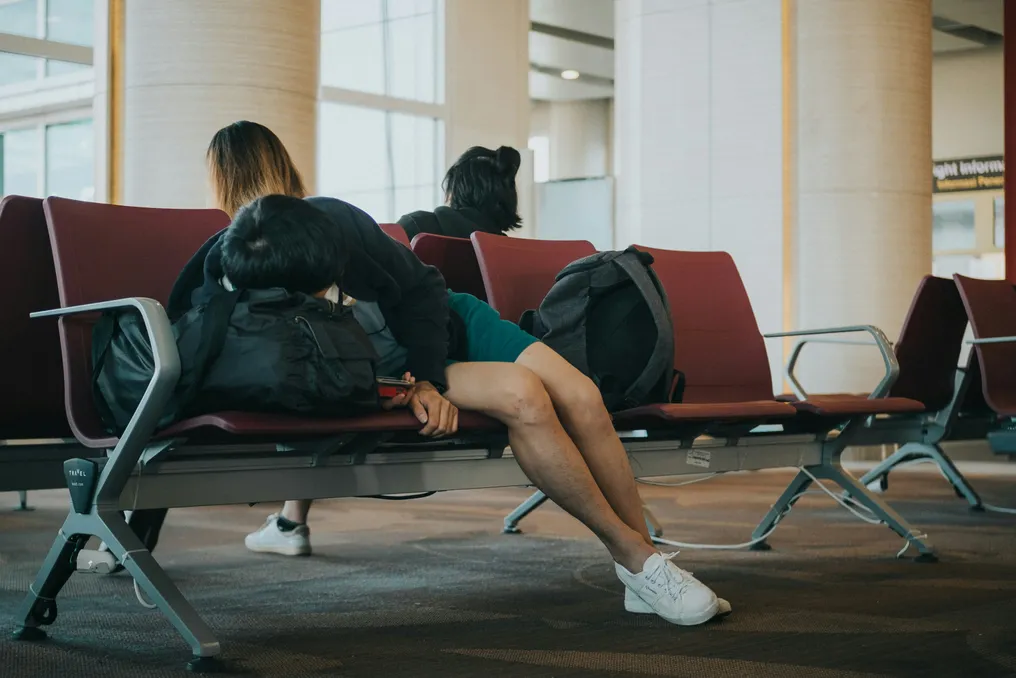
The National Civil Aviation Agency (Anac) updated regulations regarding passenger rights and the duties of airlines last Tuesday, the 22nd. The new version of Resolution No. 400 of 2016 establishes that providing assistance to the passenger does not automatically imply that the airline is at fault for the inconvenience caused by flight delays, cancellations, or interruptions.
According to the new regulation, when problems are outside the company's control, such as extreme weather or lack of airport infrastructure, this will not be classified as a service failure. In these scenarios, the duties to inform and provide assistance to the passenger remain valid.
However, issues originating internally within the company, such as aircraft maintenance failures or crew shortages, remain subject to liability rules.
This change was implemented to meet a request from the air sector and to simplify the understanding of the rules for travelers. After undergoing public consultation, in-person hearings, and technical and legal analyses, the proposal was approved by Anac's board. The new resolution will take effect 30 days after its publication in the Official Gazette of the Union, with current rules remaining in force until then.
In case of delay, cancellation, or interruption, the company must communicate with the passenger through digital means, providing updates every thirty minutes and maintaining correct data. This communication must specify the new estimated departure time and the available rebooking options.
Furthermore, the company must detail how the traveler can obtain material assistance. Waiting time is considered an aggravating factor: after two hours, the passenger is entitled to food; if an overnight stay is necessary after four hours, accommodation and round-trip transportation to the lodging location must be provided.
It is important to note that assistance remains mandatory even when the reason for the problem is outside the company's control. However, the text explicitly states that this support does not constitute an admission of guilt or responsibility for the flight delay or interruption.
The new resolution offers a way out for unusual situations where the company cannot provide the necessary assistance, such as the absence of airport infrastructure or local suppliers. In such cases, the passenger may cover the costs of meals, transport, or accommodation and request reimbursement from the company, provided they keep all expense receipts. Reimbursement must be made by the airline within a maximum period of seven days.
The revision aims to clarify passenger rights and company obligations in the face of unforeseen events, differentiating between cases where there is only a duty of assistance and those that may generate company liability for damages.
With this measure, Anac expects to reduce the number of lawsuits in the Brazilian air sector, meeting a demand from companies that spend over R$ 1 billion annually on litigation, according to data from the Brazilian Association of Airlines (Abear).
The recommended initial procedure is to contact the official customer service channels of the airline itself. If the problem persists, the passenger can file a complaint on the Anac Passenger platform, giving the company ten days to respond. Anac monitors these complaints to oversee the companies' service, but it does not individually resolve compensation requests or conflicts between passengers and companies. If the issue is not resolved, the traveler can seek assistance from Procon or other bodies of the National Consumer Defense System.