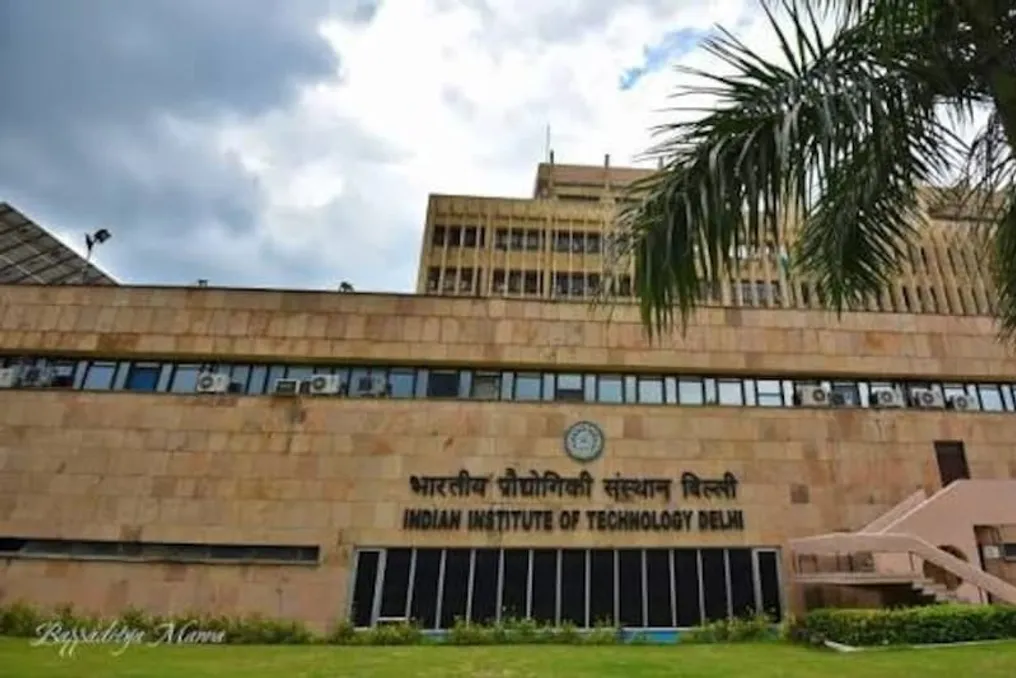
IIT Delhi abolishes minimum GPA requirement for B.Tech and brings in doctors from AIIMS and VIMHANS to support mental health
Read more
Aaj Tak
www.aajtak.in

IIT Delhi abolishes minimum GPA requirement for B.Tech and brings in doctors from AIIMS and VIMHANS to support mental health

In response to student suicides and rising mental stress on campus, IIT Delhi has taken significant steps to improve student well-being. The institute announced several important changes concerning mental health, learning flexibility, grievance redressal systems, and overall campus welfare.

The administration of IIT Delhi emphasized that student care is their highest priority. Consequently, fundamental changes have been made in the academic sphere, as well as in counseling, mentorship, and management systems.

Abolition of Minimum GPA Requirement for B.Tech

To protect students from excessive academic stress, IIT Delhi has implemented several alleviating measures. Starting from the 2024-25 academic year, the requirement to maintain a minimum Cumulative Grade Point Average (CGPA) for obtaining a B.Tech degree has been completely abolished. This will significantly ease the situation for students who experienced depression due to the fear of achieving only a passing grade.

Furthermore, according to the new curriculum introduced in 2025, the credit load in the first semester has been reduced. It was also decided to decrease the number of students in first-year departmental classes to a range of 30–60 people so that faculty members can pay attention to every student. Measures are being taken to reduce tests and exams conducted on Saturdays and Sundays. The new curriculum also includes life skills courses to simplify students' lives.

AIIMS and VIMHANS Doctors to Handle Mental Health

IIT Delhi has established an extensive network to support student mental health. Students will receive 24x7 counseling and psychiatric support involving specialists from two of the country's largest medical institutions—AIIMS and VIMHANS. If a student seeks support or treatment off-campus, IIT Delhi covers all expenses. Emergency response protocols and wellness committees for academic departments have been created to respond to any on-campus emergencies.

Special Evening Learning for Lagging Students

The 'Academic Progress Group' program, which has been in effect since 2023, has been expanded to assist students who are falling behind academically. This group provides special evening classes and helps them catch up. Additionally, the 'UG Buddy Program' has been extended from 2025 to support new students, including postgraduate and international students. Since 2001, yoga and meditation have been included in the wellness program under the National Resource Centre for Value Education in Engineering (NRCVEE).

IIT Delhi has also issued strict guidelines aimed at eradicating discrimination based on caste, gender, language, or region within the campus. Students can confidentially file complaints through the centralized ERP portal, where their application will be tracked with an assigned reference number. Through the 'Diversity and Inclusion Office,' established in 2022, anti-discrimination programs and special accommodations for students with disabilities are being implemented. New students undergo orientation programs designed to raise sensitivity to caste, gender, and language. The institute states that it will take all possible steps to ensure no student experiences loneliness or mental stress while studying at IIT Delhi.
Similar stories

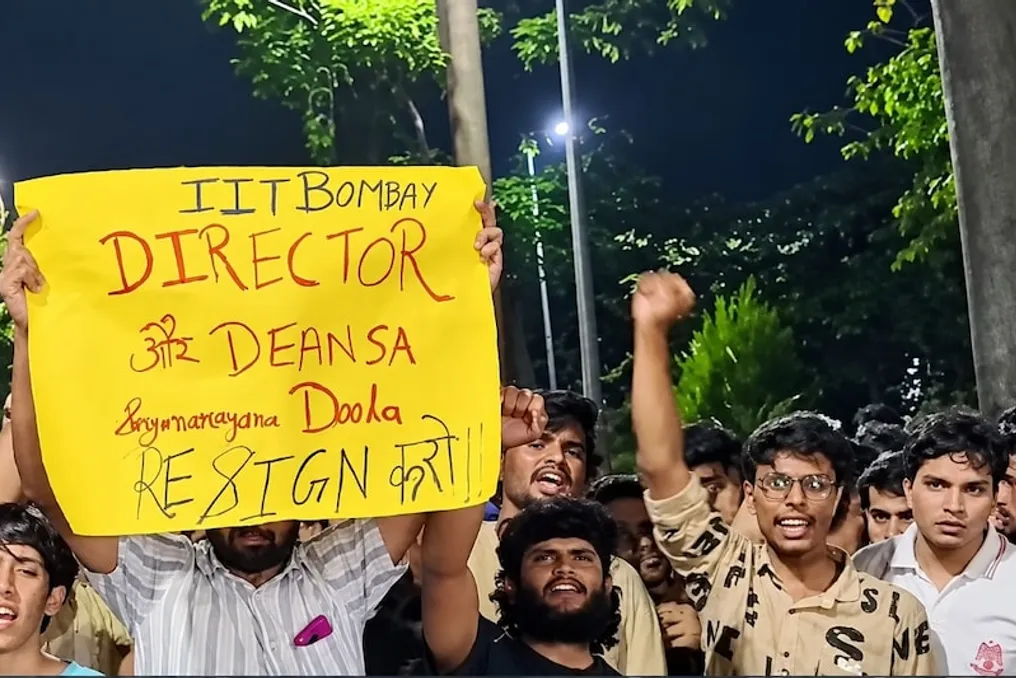
IIT Bombay students demand resignation of Director Shirish Kedare following suicide tragedy
Read more
www.aajtak.in

IIT Bombay students demand resignation of Director Shirish Kedare following suicide tragedy

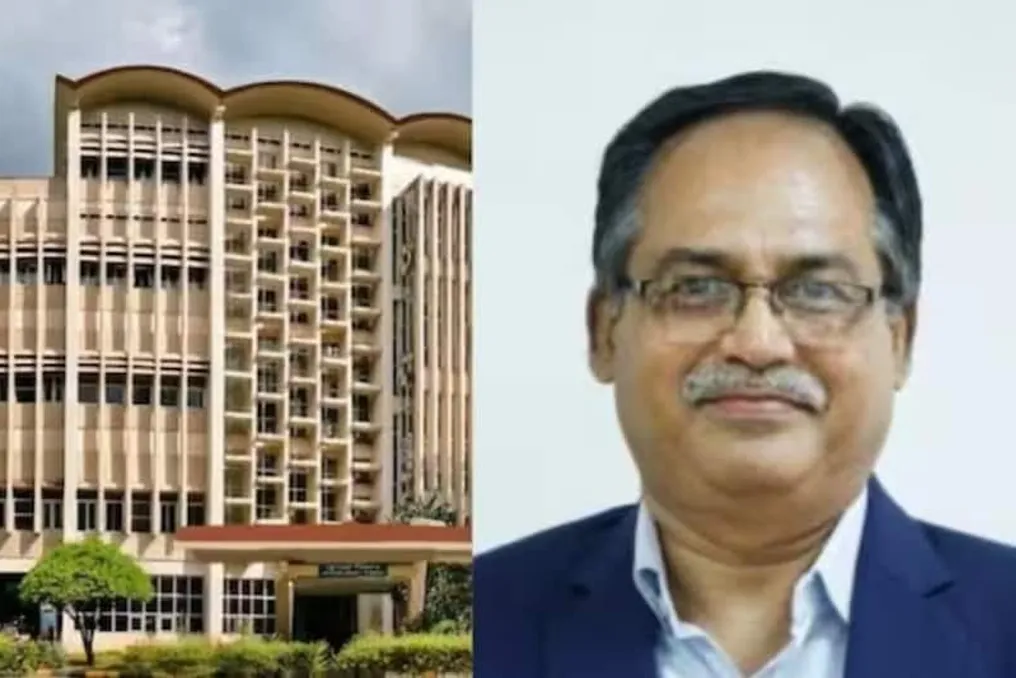
Following the death of student Sahil Wakode at IIT Bombay, two professors are drawing the most attention: IIT Bombay Director Shirish Kedare and Professor Suryanarayan Dula. Sahil's parents and students are demanding the resignation of both faculty members.

Professor Shirish has long ties to the institute, having known the campus for 41 years. He himself received an engineering degree from IIT Bombay and now heads the institution. Furthermore, he has worked in various capacities.

Professor Shirish's connection to IIT Bombay is very deep. He has been familiar with the institute for 41 years. In 1985, he obtained a bachelor's degree in mechanical engineering, and later in 1992, he earned a Ph.D. there. In May 2024, he was offered the position of director.

Before becoming director, he held academic and administrative posts. His responsibilities included membership in the Indian IIT Council appointed by the Ministry of Education, as well as participation in the IIT Madras Board of Governors, and work as a former independent director of ONGC.

According to the IIT Bombay profile, Shirish Kedare has published 57 international and 10 national articles. Additionally, 44 international and 7 national papers have been published in conferences and proceedings. His research interests differed from traditional engineering fields; he focused his research on the reciprocal wind mechanism, which converts wind energy into useful power.

After completing his postgraduate studies, while most students dream of careers in large corporations, Professor Shirish Kedare decided to work on rural development. From 1992 to 1995, he was involved in rural development projects.

Professor Shirish Kedare also spoke about the culture of tutoring. He believes that excessive reliance on tutors can negatively affect students' ability to understand and deeply study material. In one interview, he noted that coaching centers often focus on exam passing strategies, which can harm conceptual understanding.

Professor Shirish Kedare also performed various duties in corporate and government institutions. He served as an independent director at ONGC, a Maharatna company. Additionally, he was part of the Research Advisory Council (RAC) of NTPC and the Board of Governors of IIT Madras.

IIT Bombay students change stance on suicide case, dropping caste discrimination accusations; Faculty Forum presents counterarguments
Read more
www.aajtak.in

IIT Bombay students change stance on suicide case, dropping caste discrimination accusations; Faculty Forum presents counterarguments

Following the discovery of the body of second-year B.Tech student Sahil Vakode in Hostel No. 16 at IIT Bombay on September 18, anger within the institute reached a new level. Initially, the main focus of protests and family statements was centered on 'caste oppression,' but over time, the narrative within the campus began to shift.

Sahil's family initially leveled a direct accusation against faculty member Professor Suryanarayan Dulla for exerting psychological pressure. Based on this statement, the Mumbai Police registered a case under the SC/ST Atrocities Prevention Act and transferred the investigation to the Criminal Department. Nevertheless, several days after the incident, the issue of 'caste discrimination,' which was the center of the initial outrage, receded from official student demands and statements.

The anger that immediately followed Sahil's death on campus regarding 'caste bias' and harassment has now transformed into more diplomatic phrasing such as 'institutional reforms,' 'academic pressure,' and 'systemic changes' in official student representative statements. In recent statements released by students, an extremely balanced and cautious position was adopted regarding Professor Dulla. Students stated that their goal is not to assign blame before the investigation is complete, but merely to have the professor relieved of administrative duties (Dean of Administration) pending an impartial inquiry.

A natural question arises: why has the students' position become so 'soft' compared to the initial allegations recorded in the family's FIR? Is this due to some institutional pressure, or is it influenced by facts emerging during the investigation compared to the initial claims?

On the other hand, the IIT Bombay Faculty Forum firmly defended Professor Dulla. The Forum refuted media reports, clarifying that the professor was not suspended, but only had his administrative powers removed to ensure the impartiality of the investigation process. The Chairman of the Faculty Forum, Professor Dr. Rajkumar Pant, countered the caste allegations by presenting official institute records. Professor Pant explained that, like any institution, they have a specialized cell for the welfare of SC/ST caste students. According to information received from Deputy Director Professor Ravindra Ghudi, this cell officially confirmed that Sahil had not filed any complaints or had any contact with it in the last three or four months.

Professor Pant added that preventing the use of malpractice (cheating) during exams is a mandatory requirement for a faculty member. He noted that Professor Dulla was simply fulfilling his assigned duties to protect the rights of the majority of students taking exams honestly.

While the Faculty Forum asserts that there were no prior complaints to the SC/ST cell, external student organizations (such as AISA) continue to insist on full administrative accountability and resignation. However, this entire incident raises several fundamental and sensitive questions: does the absence of a complaint mean the absence of harassment? Can the fact that the student did not approach the SC/ST cell be considered conclusive proof of the absence of isolation or pressure? There is also the question of whether SC/ST cells in elite educational institutions can gain enough trust among students for them to report their problems without fear?

Currently, the Mumbai Police Criminal Department is examining CCTV footage from the examination hall to the hostel from September 18, as well as other technical evidence. The true truth about Sahil's tragic death will only be known after the legal procedure is completed. Nevertheless, this case has once again sparked a serious discussion about student mental health, institutional pressure, and caste sensitivities in the country's leading institutions.

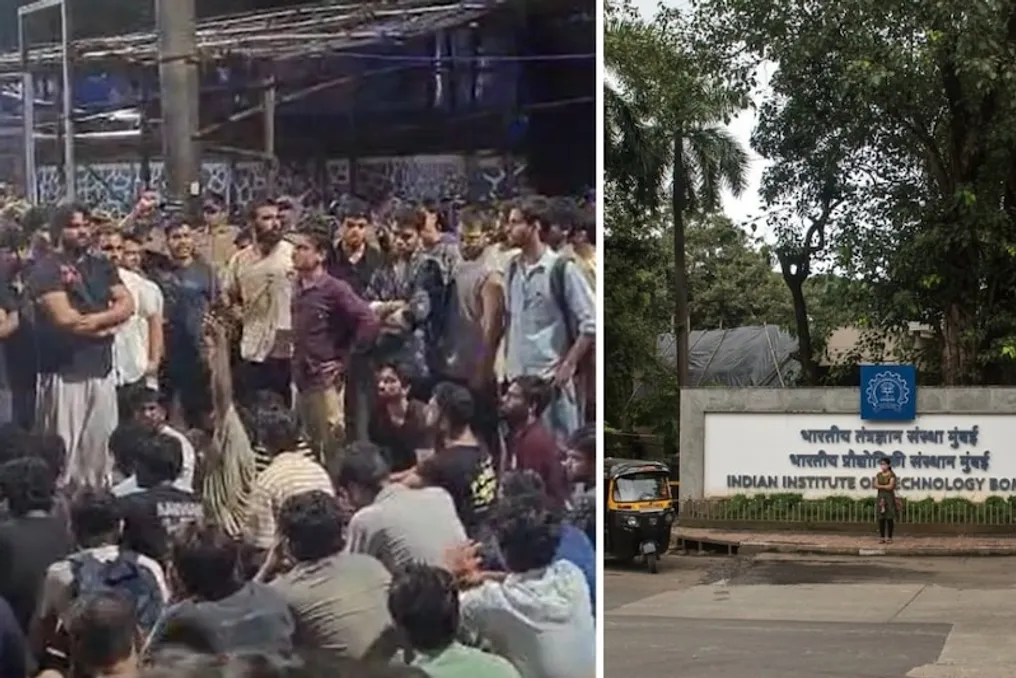
IIT Bombay students protest after student suicide and demand director's resignation
Read more
www.aajtak.in

IIT Bombay students protest after student suicide and demand director's resignation

A tragic incident occurred at the prestigious educational institution IIT Bombay: Sahil Wakode, a second-year student in the Department of Energy Science and Engineering, died by suicide, hanging himself in dormitory room H-4 on campus grounds. Following this terrible news, a tense atmosphere arose at the institute, and outraged students began active protests directly on campus.

The IIT administration released an official statement explaining that on Friday, during an exam, the student was observed using ChatGPT on his mobile phone to load and view answers from the exam paper. The administration claimed that the student was explained the situation and was guaranteed that no strict disciplinary measures would be taken against him. According to the institute's information, after this, the student returned to his dormitory room, where he was later found dead that evening.

Students participating in the protests completely reject the administration's statements, insisting that the management is hiding the truth. Protesters claim that the student was threatened with suspension for plagiarism. They believe that this psychological pressure and fear for the future were the reason the student decided to take his own life. However, independent confirmation of these claims could not be obtained.

Protesting students state that they feel like they are in a cage on campus, noting excessive pressure and an atmosphere of fear from faculty members. A significant number of students are demanding the resignation of the institute's director, Professor Shirish B. Kedare. They insist on a transparent investigation into the matter.

For his part, IIT Bombay Director Shirish B. Kedare took moral responsibility for what happened and stated his intention to establish accountability in the case. He emphasized: 'My moral responsibility for this entire situation will be fully accounted for.' However, he did not give a direct answer regarding the resignation.

In this regard, DCP Dattatrey Nalawde reported that negotiations between the IIT administration and the students are ongoing.

Popular