Keenan Blake shows how to make South African Gatsby for Heritage Day
Read more
IOL
iol.co.za

Keenan Blake shows how to make South African Gatsby for Heritage Day

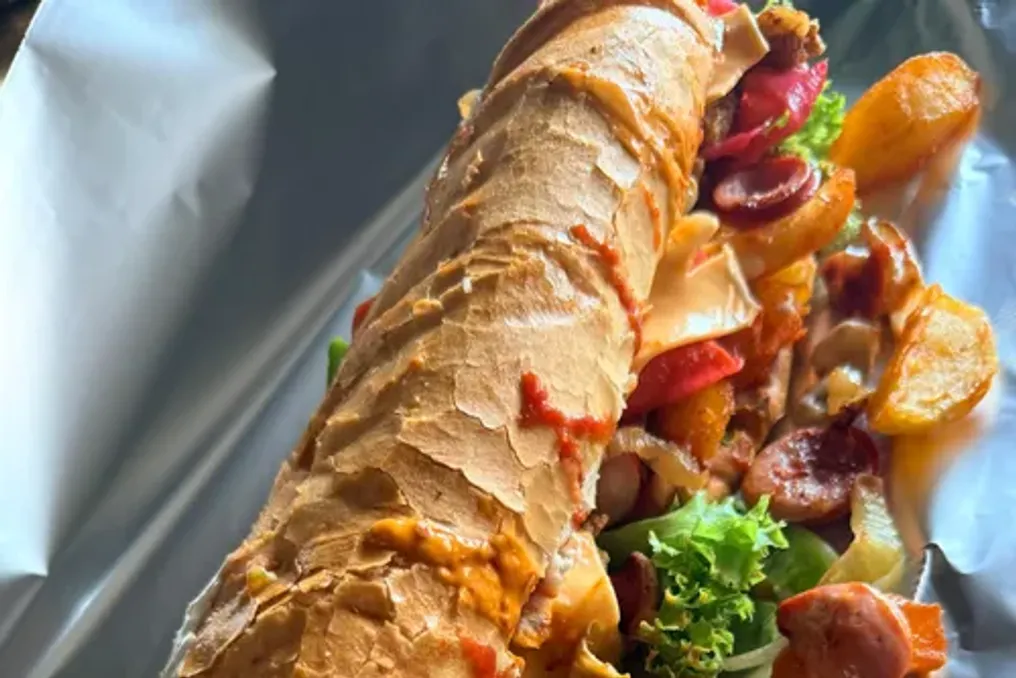
Keenan Blake demonstrates a recipe for South African Gatsby, which is perfect for celebrating Heritage Day. This Gatsby is made using braaied meat and various vegetables.

The following ingredients are required for preparation: a French or sub roll, fried onions, grilled steak, fried sausage (polony), Russian sausages, masala chips, tomato, lettuce, sauces of choice, and cheese.

The cooking process is quite simple: first, sauce is added to the bottom of the bun. Then, the ingredients are layered according to personal preference and served hot.

In one example that Keenan Blake prepared for a visit to the water park, he used fried onions, steak, Russian sausages, polony, tomatoes, lettuce, masala chips, sauces, and cheese.

Similar stories

List of Events for Heritage Day 2026 in Johannesburg and Pretoria
Read more
iol.co.za

List of Events for Heritage Day 2026 in Johannesburg and Pretoria

Heritage Day celebrates the uniqueness of South Africa, and in 2026, there are many ways to commemorate it. Johannesburg and Pretoria are turning this national holiday into a large-scale celebration encompassing music, food, fashion, games, running, and traditional kasi culture.

Whether you plan to spend the day immersing yourself in local culture, discovering something new with family, or simply looking for a reason to get out of the house, there will be an activity for everyone on September 24th.

Here are some events worth considering, whether it's biltong and wine tasting, jazz, sphatlho dishes, or cosplay.

Events in Johannesburg

Comic Con Africa 2026

The massive African pop culture festival will take place at the Johannesburg Expo Centre, Nasrec, from September 24 to 27, 2026, daily from 09:00 to 18:00. The festival kicks off on the national holiday and will include gaming zones, esports, cosplay contests, an Art Alley, and appearances by international celebrities. Tickets are required and can be purchased through Comic Con Africa.

HiChai: Heritage Day Edition

This vibrant cultural event is dedicated to food, fashion, tea and cocktails, as well as music and special readings. It will take place on Thursday, September 24, 2026, from 16:00 until late evening, at Modern Tailors located at 189 Oxford Road, Rosebank, Johannesburg. Tickets are available from R150 via Quicket or Dineplan.

Free the Jazz Concert

On Thursday, September 24, 2026, at 10:00 AM at Sandton City, located at 83 Rivonia Road, Sandhurst, Sandton, there will be a free outdoor jazz concert. It is family-oriented and celebrates local talent as part of the Standard Bank Joy of Jazz Fringe event.

Curaprox Run the Greens

We invite you to move after sunset on Thursday, September 24, 2026, starting at 18:30. Registration runs from 17:30 to 18:30. The venue will be Kyalami Country Club at 433 Maple Road, Kyalami AH, Midrand. Participants can run or walk 5 km or 10 km along a scenic route through the golf course. The cost for adults is R120, while for children under 12 and seniors over 60, it is R80.

Heritage Day: Biltong and Wine

On Thursday, September 24, 2026, at 18:30 at Cedar Square, located at Cedar Road, Fourways, Johannesburg, there will be an evening dedicated to South African heritage. This event combines local South African flavors with wine for a relaxed Heritage Day celebration.

Events in Pretoria

Sphatlho Festival

On Thursday, September 24, 2026, from 9:00 to 18:00 at Giant Stadium, Tshwane, Pretoria, one of Pretoria's largest festivals dedicated to kasi lifestyle and culture will take place. The festival will bring together music, local performances, diverse food, and a strong sense of community. Tickets start from R120 and are available through Computicket Box Office.

From jazz and festivals to biltong, sphatlho, and superhero energy, Heritage Day 2026 promises to be a celebration suitable for every resident of South Africa.

Iconic South African Dishes Reflecting the Country's Cultural Heritage
Read more
iol.co.za

Iconic South African Dishes Reflecting the Country's Cultural Heritage

The culinary heritage of South Africa reflects the diversity of its peoples, cultures, and regions. Regardless of the region, malva pudding is one of the dishes that can be found on menus. These iconic dishes tell the stories of the people who shaped the country, whether served at family celebrations, cooked over a fire, sold on the streets, or passed down through generations.

From aromatic Cape Malay style dishes to classic Durban recipes and township fare—all this food demonstrates the richness of culinary traditions. As part of Heritage Month, nine South African dishes are featured that deserve attention in understanding the uniqueness of local cuisine.

Bunny Chow

Bunny Chow is closely associated with the city of Durban. This dish consists of a hollowed-out loaf of bread filled with curry. It originated in the Indian community of Durban and has become one of the city's most famous culinary exports. When consumed, the bread absorbs the curry, becoming an integral part of the meal rather than just a side dish.

Tomato Bredie

Tomato Bredie is a hearty stew traditionally linked to Cape cuisine and the Cape Malay style. The word 'bredie' means slow-cooked stew. It is known for its rich tomato base and warming spices, while the meat is simmered until tender. Bredies have become an important part of Cape culinary tradition; among the known variations are versions with tomatoes, cabbage, and green peas. This dish is perfect for the category of South African comfort food: it is generous, deeply flavorful, and meant for sharing.

Chakalaka

Chakalaka is a spicy vegetable relish that has become closely associated with township food in South Africa and is now found on tables across the country. Although recipes may vary, this side dish usually includes vegetables such as onion, tomatoes, peppers, carrots, and beans, mixed with spices and chili. It is often served with pap, bread, meat, or other favorite grilled items. The history of chakalaka is less clearly defined than some of the country's older dishes, but its place in South African food culture is firmly established.

Potjiekos

Potjiekos is defined not only by its ingredients but also by its method of preparation. Traditionally, it is cooked in a three-legged cast iron pot over an open fire, layering meat and vegetables and allowing them to simmer slowly. Although this dish is particularly associated with Afrikaans cuisine, today it has long gone beyond any single community. It is a dish loved by people from different cultures, reflecting the country's love for cooking over an open flame.

Vetkoek or Magwinya

Whether called vetkoek, magwinya, or amagwinya, this fried dough is very popular at markets, gatherings, and roadside stalls across South Africa. A crispy exterior hides a soft, airy center. It can be eaten plain, stuffed with mince curry, or paired with sweet toppings like jam. The different names reflect the linguistic and cultural diversity of the country, while the dish itself has become widespread.

Bobotie

Bobotie is one of the dishes most often used to represent South African cuisine abroad, yet its roots lie in Cape Town and the influence of Cape Malay culinary art. It is made from seasoned minced meat, traditionally topped with a custard made from eggs and baked until cooked through. Sweet and savory flavors combine with aromatic spices, often complemented by raisins. Cape Malay cooks have made a significant contribution to South Africa's culinary culture, and bobotie is among the dishes associated with this heritage. Today, bobotie can be found both on home tables and in restaurants far beyond Cape Town.

Malva Pudding

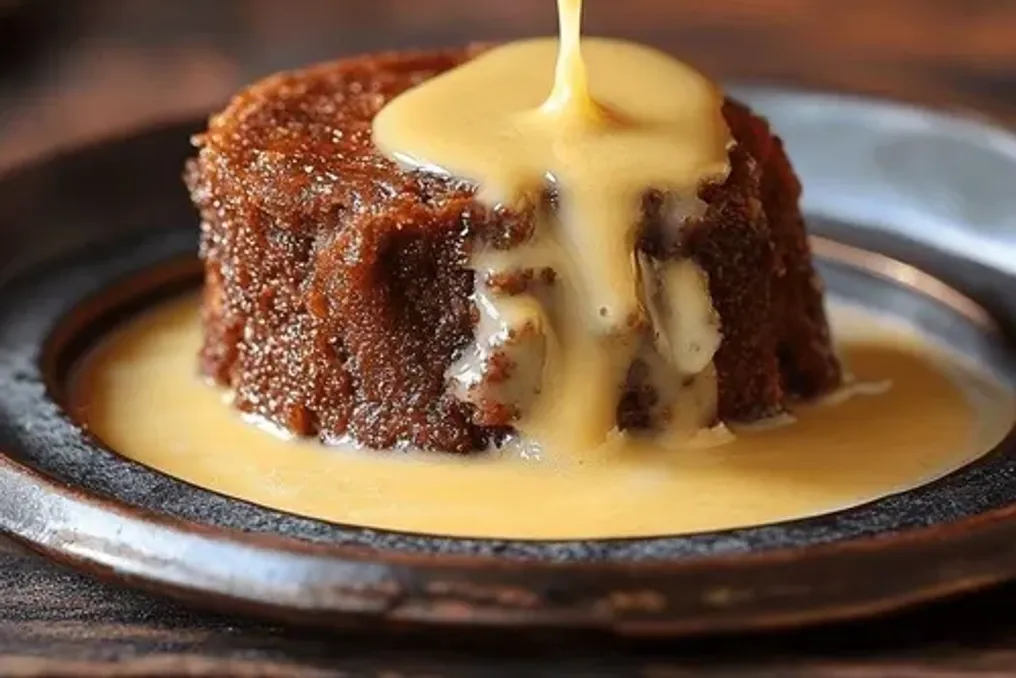
Malva pudding is a dessert that requires no introduction in South Africa. The pudding is drenched in a rich sweet sauce while still warm, allowing it to absorb the liquid. It is usually served with custard or ice cream. The exact history of this dish is debated, but it is widely considered a South African dessert with associations to Cape Dutch cuisine. It has become a familiar element in restaurant menus and family celebrations.

Milk Tart

Milk tart, or melktert, is another dessert deeply rooted in South African culinary culture. It has a base of shortcrust pastry or sponge cake, filled with a creamy milk-egg custard, and sprinkled with cinnamon. This dessert has roots in Dutch culinary influence in Cape Town and has evolved into countless family versions over time. Today, it can be found on restaurant menus, is available in most bakeries, and is popular at family gatherings. Its appeal is simple: the combination of creamy custard, cinnamon, and shortcrust base is time-tested. From restaurants to bakeries, milk tart is a dessert that frequently appears on the tea table.

Koeksisters

Perhaps there is no better example of how South African food can tell several cultural stories than koeksisters. The traditional Afrikaans koeksister is made from braided dough, deep-fried, and then soaked in cold syrup. The result is a crunchy, sticky, and sweet texture with syrup permeating the pastry. There is also the Cape Malay koeksister, which is a different confection made from fried dough, syrup, and coconut, often using spices such as cinnamon and cardamom. Although both hold a place in South African culinary culture, they should not be confused. This distinction is what makes the heritage of South African food so fascinating.

Our dishes do not always fit into separate categories. They have traveled, changed, and been adopted by different communities. Perhaps this is how these dishes should be viewed during Heritage Month. They are not merely products of the past; they are part of a living culinary culture that continues to evolve while remaining recognizably South African.

Checklist for Celebrating South African Heritage Day
Read more
iol.co.za

Checklist for Celebrating South African Heritage Day

Heritage is reflected in the stories we tell, the traditions we preserve, and the memories we create together. For some South Africans, the feeling of home is associated with familiar music, the smell of barbecue, a family recipe, a Sunday dinner at the table, or the sound of wild birds in the distance.

Angelique Yse van Rensburg, one of the finalists of the Mrs South Africa 2026 competition, believes that heritage is the feeling of being surrounded by loved ones. This is reflected in the way we communicate, the jokes, the support, and daily life, as well as the feeling of coming home. Angelique Yse van Rensburg highly values family traditions that unite generations.

Gather Around the Table

A family meal can become a tradition without a formal announcement. Several Mrs South Africa finalists shared their views on the importance of shared meals. Megan Kaister recalls family dinners as a time for conversation and sharing stories, while Angelique aims to continue the tradition of family breakfasts and dinners. On this Heritage Day, it is worth setting aside time for a meal that is often postponed. Put away phones and spend more time at the table.

Megan Kaister is convinced that shared experiences create memories worthy of passing on.

Light the Barbecue Fire

A South African celebration would be incomplete without a barbecue. The finalists repeatedly mentioned barbecue, including boerewors, steak, ribs, braaibroodjies, and potato salad. Behind these dishes are the people who make the celebration unforgettable: the family barbecue master, the grandmother with the legendary recipe, or the person insisting on the best marinade. The essence here is not the perfect menu, but bringing people together.

We should not forget the four-legged members of the family. Angelique notes that in her family, dogs are treated like children, and Karika Beb describes pets as a source of unconditional love. For Aleche Landman, growing up surrounded by animals also meant learning responsibility and care for nature. Therefore, it is worth adding treats for beloved pets and lots of affection to the checklist.

Create a Memory Worth Passing On

The finalists spoke about the values they hope to see in the next generation: kindness, dignity, hard work, humor, resilience, and responsibility. These qualities are formed in everyday moments—through how we treat people and care for the places we call home. Heritage is also what we choose to continue doing. It could be a Sunday tradition or a story told again and again.

Aleche Landman highly values the lifelong connection with nature and animals. Mrs South Africa 2026 promoter and advocate for Soft Landings, Dotsure, believes that the most valuable thing in us is reflected in how we care for everything we hold dear. Although Heritage Day may fall on September 24th, there is no reason for the entire checklist to fit into one day. Brew tea, light the fire, call family, let the dog onto the couch. Then create memories worth inheriting.

Popular