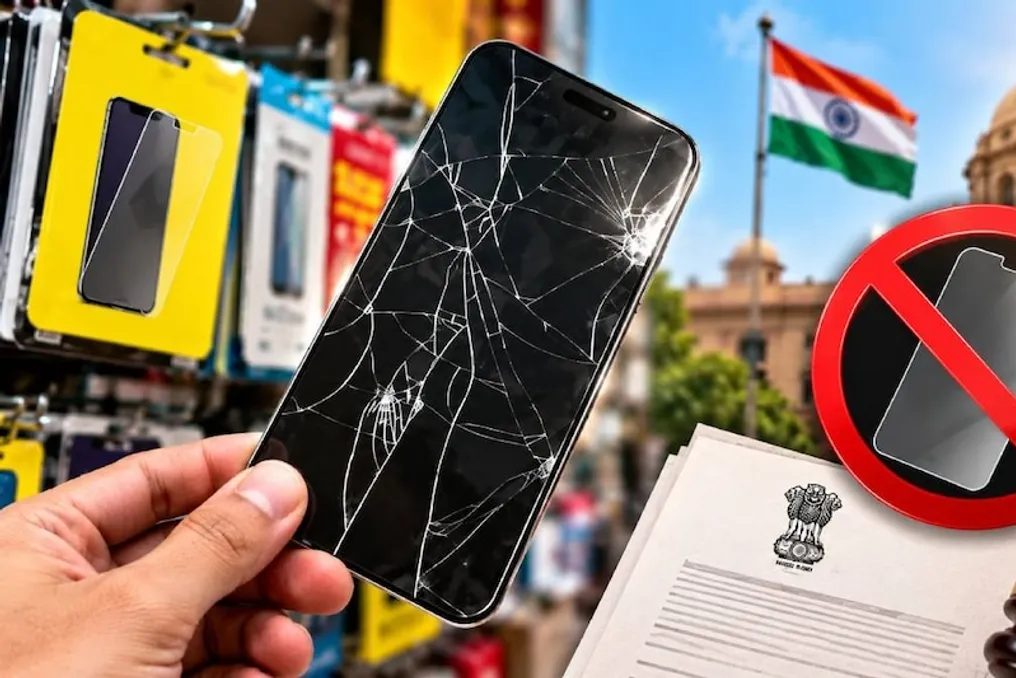
Most users install cases and protective films on smartphone displays to prevent damage from accidental drops. A quality screen protector can save from expensive repairs.
However, the market offers numerous inexpensive protective glasses, costing between 50 and 100 rupees, which lack proper certification or quality testing results. Although people install them for savings, such cheap screen protectors can subsequently cause problems with the phone's screen, sensor, and fingerprint reader.
The quality of cheap screen protectors is often insufficiently high, which can lead to several difficulties for smartphone owners. The potential drawbacks of cheap screen protectors and the reasons for the government introducing new regulations for them are discussed next.
Sometimes, installing a low-quality screen protector leads to incorrect operation of the smartphone sensor. This can happen because the glass is too thick or made of poor-quality material. Such a defect can create a gap between the user's finger and the sensor, causing many users to believe that the phone's sensor is malfunctioning.
Furthermore, difficulties may arise when unlocking the device using the built-in fingerprint sensor. Since many protective glasses on the market do not undergo any quality checks, the thickness and quality of the glass can interfere with the correct operation of the under-display fingerprint sensor, forcing the user to attempt unlocking the phone multiple times.
The greatest danger lies in the reduction of the original screen quality. Many cheap protective glasses are made from low-grade plastic or other substandard materials. As a result, the user does not receive the benefits of the original display quality, and the screen brightness may appear lower.
Modern smartphone screens are often equipped with an anti-glare coating that facilitates viewing the screen even in bright sunlight. However, using a low-quality protective glass can reduce screen visibility, creating difficulties when using the phone in the sun.
If a cheap glass cracks slightly at the edge, small glass shards may break off. These particles can get stuck in fingers and cause injury. Therefore, one should not always decide to install a screen protector solely based on its low price.
Considering all the above issues, the government has introduced a new rule regarding the quality of smartphone screen protectors. The Ministry of Electronics and Information Technology has included screen protectors in the BIS registration scope. This means that screen protectors sold on the market must now comply with established quality standards. Otherwise, they may be banned from sale.
This new rule will come into effect on April 1, 2027. The government has currently published the relevant guidelines. In the future, low-quality screen protectors priced between 30 and 50 rupees should not appear on the market.
It is crucial for consumers to check the quality and required standards of the protective glass when purchasing. After all, saving small amounts can turn into significant expenses if the screen, sensor, or user's fingers are damaged.