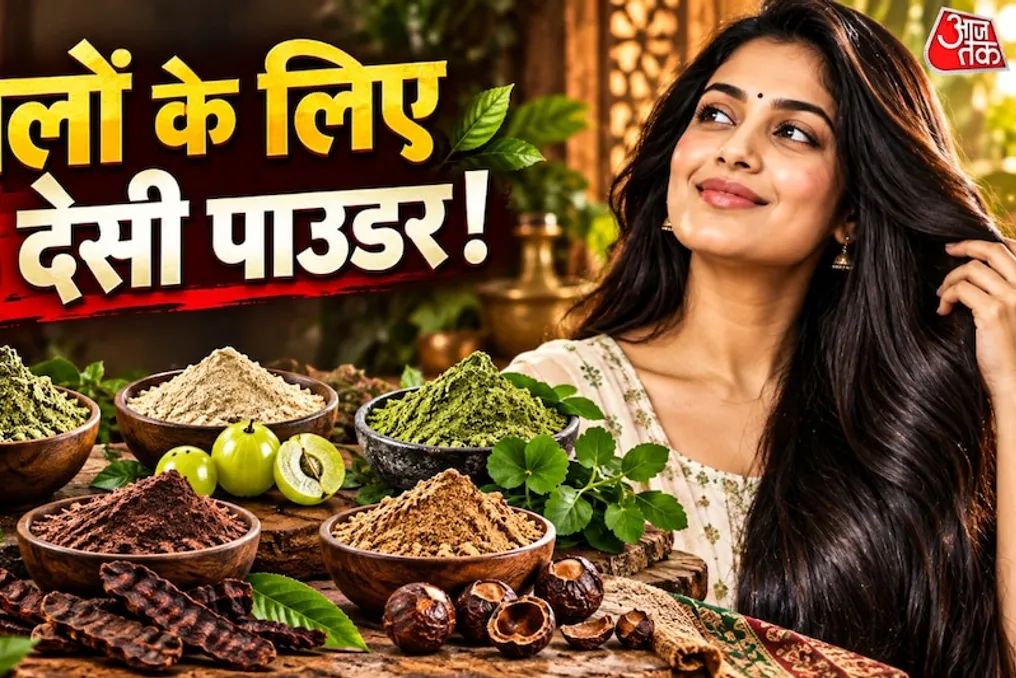
Five Traditional Ayurvedic Powders for Hair Strengthening: Skincare Tips
Read more
Aaj Tak
www.aajtak.in

Five Traditional Ayurvedic Powders for Hair Strengthening: Skincare Tips

Modern lifestyle and poor nutrition have a direct negative impact on hair health. Issues such as hair loss, thinning, dandruff, and premature graying have become very common. To get rid of these ailments, people often buy expensive shampoos, serums, and masks in stores. However, despite spending on all these products, many do not achieve the desired result. Because of this, interest is growing again in ancient Ayurvedic methods that use powders of various herbs to heal hair.

Special attention is paid to five Ayurvedic powders that have been used for decades to add length and thickness to hair. Incorporating these ingredients into daily care will help make hair longer, thicker, and shinier.

Hair Care Using Bhringraj Powder

In the field of Ayurvedic hair care, Bhringraj powder has a long history of use. It is traditionally used to care for the roots and scalp. Bhringraj powder is mixed with water or oil and applied as a mask. Regular inclusion of this ingredient in care helps strengthen and soften hair, as Bhringraj is considered a beneficial herb for hair.

Brahmi Powder Provides Additional Scalp Care

Brahmi powder has also been used in hair care for many years. It can be added to masks. It is especially effective for caring for weak and thin hair. If your hair looks constantly dry and dull, you can integrate plant powders like Brahmi into your routine. However, since the constitution of hair and scalp is individual for everyone, it is recommended to perform a patch test before first use.

Shikakai – A Natural Shampoo Alternative

Shikakai has been used since ancient times for washing hair. It contains natural saponins that help cleanse the scalp and the hair itself. This is why it is often combined with Amla and Reetha. If you suffer from heavy residue buildup or oily scalp, you can try an herbal mask or cleanser based on Shikakai. However, it should be used moderately, as excessive application can lead to dry hair.

Giloy

People usually know Giloy as an immune booster, but it is also mentioned in some traditional hair care regimens. It is used for problems such as dryness, dandruff, and hair breakage. It is important to exercise caution when applying Giloy directly to the hair or taking it internally, as not every Ayurvedic remedy suits every person.

Amla Should Not Be Forgotten

When it comes to hair, Amla is rarely overlooked. Amla contains Vitamin C and antioxidants. Amla powder is mixed with water or any oil and used as a mask. It is part of traditional hair care, improving scalp condition and giving hair a better appearance. The combination of Amla, Shikakai, and Reetha is also part of old home hair care methods.

Cleansing Hair with Reetha

Reetha is known as a natural cleansing agent. The saponins it contains help clean the hair and scalp. Therefore, it has long been used as a natural substitute for shampoo. Reetha powder can be used alone or in combination with Amla and Shikakai. However, if your hair is naturally very dry, you should use Reetha in minimal amounts to avoid additional dryness.

Hair Loss Is Not Stopped Only By Applying Powders

It is extremely important to understand that applying only a powder will not suddenly stop hair loss. Hair loss can be caused by stress, nutrient deficiencies, hormonal changes, genetics, scalp problems, and many other reasons. Therefore, these Ayurvedic powders should be viewed as a supplementary care aid, not a cure. If hair is falling out quickly, patches are appearing, or the scalp is constantly itchy and red, it is best to consult a specialist to check the condition.

Similar stories

Five Budget-Friendly Countries to Visit in October: Traveler Recommendations
Read more
www.aajtak.in

Five Budget-Friendly Countries to Visit in October: Traveler Recommendations

October is considered a favorable month for travel because the heat subsides and the weather becomes pleasant. Many people plan trips before winter sets in. If you want to visit a foreign country, you do not necessarily have to spend a huge budget.

There are destinations where you can go with limited time and a modest budget. In these places, you can see picturesque mountains and beaches, ancient temples, local markets, and try delicious street food. Below are five foreign countries that can be visited from Delhi in October.

If you prefer quiet and beautiful places, Bhutan is worth considering. Indian citizens do not require a visa to visit Bhutan, but they must obtain an entry permit and pay a Sustainable Development Fee.

In Bhutan, you can walk through local markets in the Paro Valley, Tiger's Nest, and Thimphu. Trekking among the mountains and the atmosphere of tranquility can make this trip special. For a budget trip, it is best to travel in a group and stay in a guesthouse.

Thailand is very popular among Indian tourists. Here you can see both beautiful beaches and magnificent temples and local markets. You can stroll along the beaches of Phuket, explore the Grand Palace in Bangkok, or enjoy the nightlife of Pattaya.

The cost of the trip here can be reduced by staying in budget hostels and taking affordable flights. Nevertheless, before traveling, you should check the current visa requirements and entry rules for holders of an Indian passport.

Sri Lanka is known for its natural beauty, beaches, and historical attractions. Here you can visit Sigiriya Rock and spend time on the beautiful Mirissa beach.

A train journey across Sri Lanka is also considered special. The views of the mountains and greenery during the train ride to Ella are particularly scenic. For short distances, a tuk-tuk is more convenient.

Indian travelers need to obtain an e-visa in advance to visit Vietnam. Upon arrival, you can walk through Hanoi's Old Quarter and enjoy the local street food.

Additionally, you can explore cruises in Ha Long Bay and Cu Chi Tunnels in Ho Chi Minh City. If you want to travel economically, you can travel between cities by night bus, which will save on one night's hotel accommodation.

Bali is world-renowned for its beautiful natural landscapes, temples, and beaches. Here you can visit the Monkey Forest in Ubud, surf in Kuta, and admire the sunset at Tanah Lot Temple.

Expenses can be reduced by staying in budget villas and eating at small local restaurants called Warungs. A mode of transport is renting a scooter, but you must familiarize yourself with local traffic rules and obtain a local license in advance.

If you are planning a trip from Delhi in October, include Bhutan, Thailand, Sri Lanka, Vietnam, and Bali in your travel list. In all these places, you can enjoy mountains, sea, temples, local markets, and diverse cuisine. However, before international travel, it is crucial to check the latest information on visas, entry rules, flight costs, weather, and local transportation regulations.

Mooli Bhaji Dal Recipe: Traditional Chattisgarh Dish with Garlic and Pepper Aroma
Read more
www.aajtak.in

Mooli Bhaji Dal Recipe: Traditional Chattisgarh Dish with Garlic and Pepper Aroma

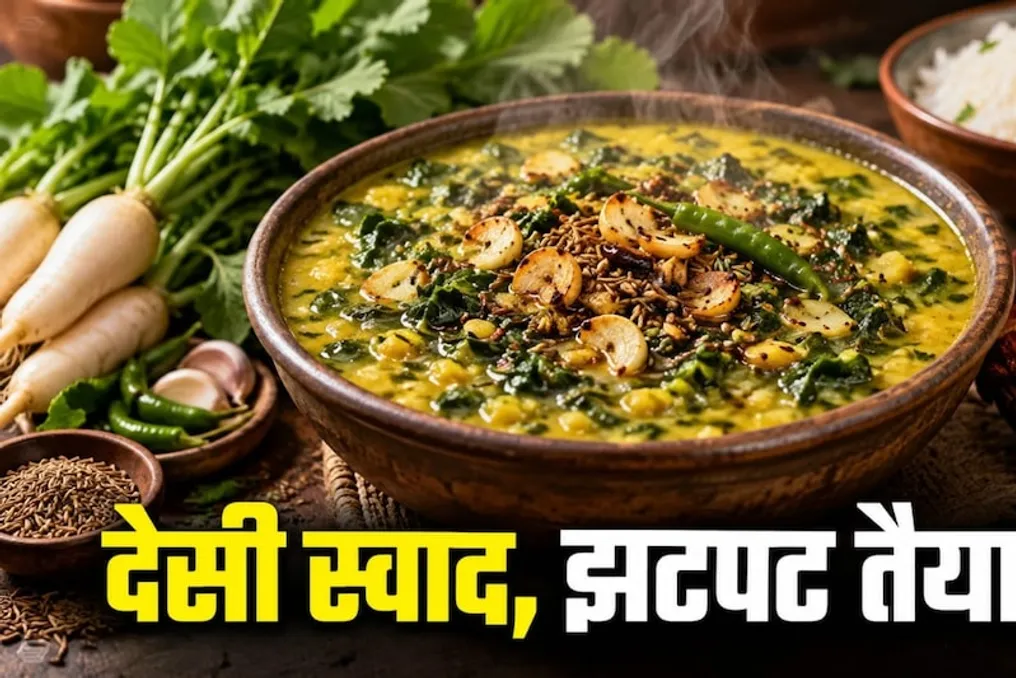
During the monsoon season, many prefer fried snacks (pakoras), which, although very tasty, require significant time and effort to prepare. In such cases, a dish that combines the taste of home cooking with minimal hassle can be ideal. Mooli Bhaji and Dal from Chattisgarh is exactly such a traditional dish.

This vegetable dish, made from radish leaves and dal, is prepared with a small amount of spices, but thanks to the addition of garlic, pepper, and cumin tarka (tempering), it acquires a special flavor. It is served hot with rice or flatbreads, turning an ordinary meal into something exquisite. If you want to enjoy the monsoon season, this recipe might be useful for you.

Mooli Bhaji Dal Recipe:

The following ingredients are used to prepare Mooli Bhaji and Dal:

Preparation Method

  1. The main feature of this dish is the use not only of the radish itself but also its green leaves, i.e., Mooli Bhaji. First, the leaves must be carefully selected and cleaned.
  2. To remove dirt settled on the leaves, they need to be thoroughly washed under running water. Then, the bhaji should be chopped finely or to your liking and washed again.
  3. After cleaning, the Mooli Bhaji is placed together with the dal in a pressure cooker. Water and salt are added as needed, the lid is closed, and it is cooked until about 2-3 whistles (sities) are heard.
  4. When the pressure in the pressure cooker drops, open the lid and mix the bhaji and dal thoroughly.
  5. Now it's time to make this simple dish delicious. Heat a little oil in a pan. When the oil is hot, add cumin, garlic, and pepper and fry until done. As soon as the garlic lightly browns and starts emitting an aroma, the tarka is ready.
  6. Then, add the cooked Mooli Bhaji and dal from the pressure cooker to the pan. Mix all ingredients thoroughly and cook for a few minutes so that the flavor of the tarka fully permeates the dish. Salt and spices can be adjusted to taste if desired.

A Delicacy with Rice or Flatbread

This Mooli Bhaji and Dal dish has long been part of the culinary traditions of Chattisgarh. Its advantage is that it does not require many spices or any special ingredients; excellent taste is achieved with regular dal, green bhaji, and homemade spices.

Its taste is especially good with hot rice on rainy days, but it is also easy to serve with flatbreads. If you want to try something different yet completely traditional, you can prepare this Mooli Bhaji and Dal from Chattisgarh.

Gastronomic street opened in Andijan to develop tourism
Read more
uza.uz

Gastronomic street opened in Andijan to develop tourism

President Shavkat Mirziyoyev inspected the gastronomic street that was created in the Urikzor mahalla of Andijan city.

Popular