Al Qasimi Palace in Ras Al Khaimah listed for sale for 23.5 million dirhams
Read more
Khaleej Times
www.khaleejtimes.com

Al Qasimi Palace in Ras Al Khaimah listed for sale for 23.5 million dirhams

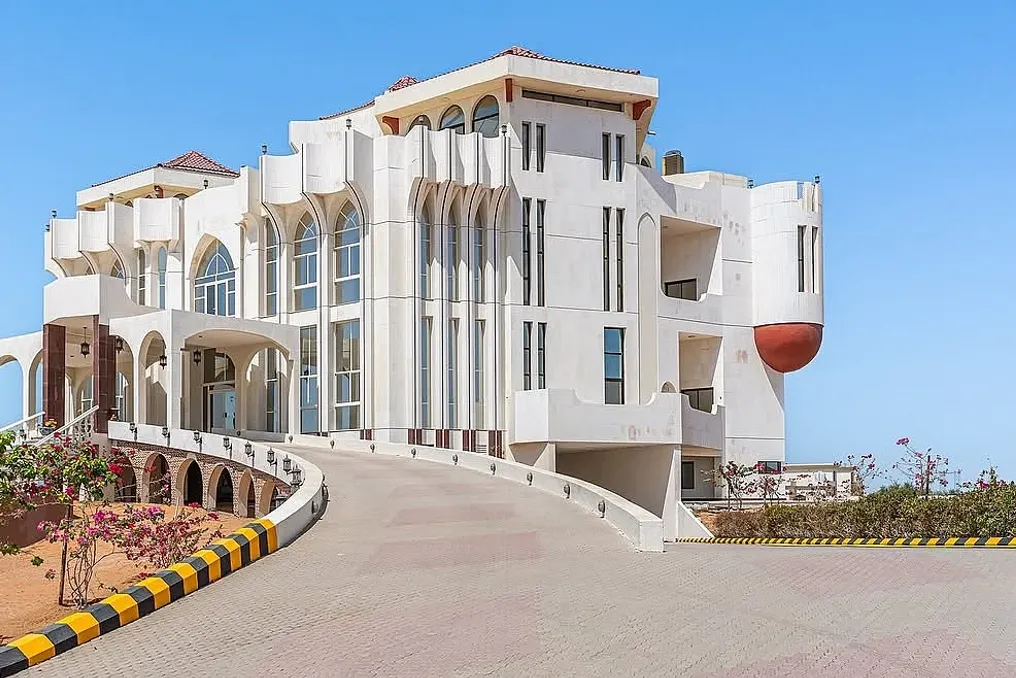
The palace, which long captivated the imagination of UAE residents, is once again on the market, and its 'ghostly' reputation has proven to be more of an advantage than an obstacle. According to agents, interest from investors with various ideas about the palace's future is very high.

Al Qasimi Palace in Ras Al Khaimah, known locally as the 'Ghost Palace,' is offered for sale for 22.5 million dirhams without furniture or 23.5 million dirhams with original artifacts and collectibles.

The property, which features 35 bedrooms, occupies an extensive plot of 191,742 square feet, with the building itself covering 33,827 square feet. The listing is handled by Bishop & Knight, whose managing partner, Josh Henry, stated that the company has been in discussions with potential buyers, 'each of whom has their own vision for this place.'

Bishop & Knight has partnered with Abubakr Siddiq, an elite real estate consultant at Mehar Properties, to present the palace to their extensive audience of buyers and investors on Instagram.

According to Abubakr, interest is coming even from international investors. He noted: 'We have potential buyers from the UK, India, and even from the region who have expressed interest and submitted applications.'

He added that most of these potential buyers are attracted by the prospects of Marjan Island and broader tourism promotion in Ras Al Khaimah.

Al Qasimi Palace has intrigued people for many years. It was built in 1985 on a hill at the request of the late Sheikh Abdulaziz bin Humaid Al Qasimi, a member of the ruling family of Ras Al Khaimah, and was intended to be an eclectic masterpiece. Artisans from Iran, Morocco, India, and China contributed to the mosaics, painted tiles, frescoes, and walls decorated with gazelles and birds. The ceilings were adorned with crystal chandeliers from French and Belgian manufacturers, and sculptural plaster doves and owls protruded from the walls. Reports suggest the construction cost over 500 million dirhams.

However, Sheikh Abdulaziz never lived in it. One reason, it is believed, was the family's objections to sculptures and artworks depicting human and animal figures. Nevertheless, because the palace remained uninhabited for almost 35 years, it fueled rumors of strange occurrences.

In 2019, Tarek Ahmad Al Sharkhan breathed new life into it, transforming it into a museum called Al Qasr Al Ghamidkh—the Palace of Ambiguity. Visitors can enter the palace for 75 dirhams per person.

Josh believes that a buyer with the right vision could transform this property into something that would bring great value to Ras Al Khaimah. He stated: 'The palace could become a small kingdom for them: a private residence where generations of the family can gather, with space for restoration, landscaping, and creating something entirely personal.'

He continued: 'Another buyer might see the foundation for a tourism or events destination, provided the necessary permits are obtained. What they share is the chance to give a wonderful place a new lease on life without losing the history that makes it special.'

Unlike many historical sites, this palace has no heritage restrictions, meaning complete freedom for the new owner to demolish, rebuild, alter, or renovate as they wish.

Abubakr noted that the property is suitable for residential, hotel, or tourist development. The palace's reputation often becomes part of the conversation with potential buyers. Local residents have spread stories for years about shimmering lights and noises, enhancing its mystical aura. He also emphasized that the palace is located among mosques, shops, and other daily activities.
Similar stories

FSSAI introduces new labeling rules for analog cheese, banning the use of 'paneer' without a dairy base
Read more
www.aajtak.in

FSSAI introduces new labeling rules for analog cheese, banning the use of 'paneer' without a dairy base

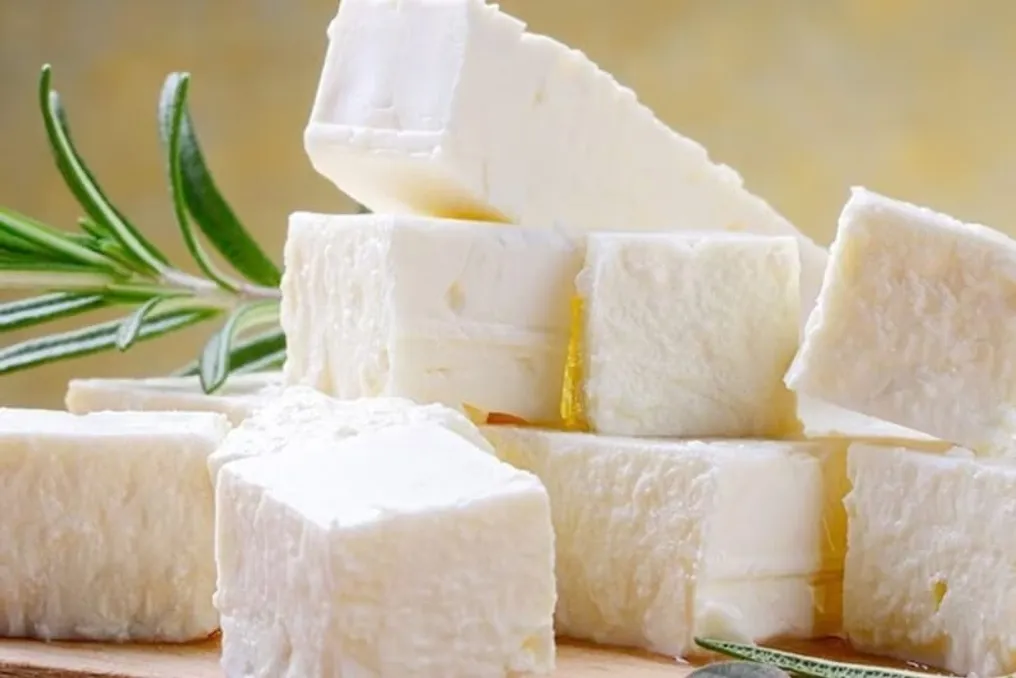
The Food Safety and Standards Authority of India (FSSAI) has released a new draft document establishing strict rules for the labeling of analog cheese. According to this proposal, products not made from milk will not be able to be sold under the name 'paneer.'

FSSAI insists that consumers clearly understand the composition of the food products they purchase. The proposal mandates limiting the use of the word 'paneer' in the names, labels, and marketing of products made from non-dairy ingredients.

There are many products on the market that resemble paneer externally, but they are produced using alternative components instead of milk or dairy products. These components may include vegetable oils, starch, and other non-dairy substances. These items are usually classified as dairy alternatives.

Under the FSSAI draft, the sale or promotion of such products under the name 'paneer' may be prohibited; they must enter the market indicating their true composition. This will help buyers distinguish whether they are purchasing real milk paneer or some other product.

The main goal of this proposal is to make the labeling process clear and transparent. Consumers often mistakenly assume a product is real paneer based on packaging, only to later discover that other ingredients were used instead of milk. FSSAI requires that the product's actual identification be clearly stated on the packaging, allowing the customer to make a decision according to their preferences, which is especially important for those who intend to buy only dairy products.

The proposal affects not only new products but may also impact some goods already on the market. According to this draft, the new rules may apply to products that already have a license or registration.

Companies must develop names and labels so that the true nature of the product is obvious. That is, if a product is not made from milk, it cannot be sold solely under the name 'paneer.'

FSSAI has requested opinions and objections from stakeholders regarding this draft. Representatives of the food industry, companies, and ordinary citizens can participate in this process, with a period of 60 days provided. The collected comments and suggestions will be reviewed before the final approval of the rules.

It is important to note that this FSSAI document is only a draft and not a final regulation. Therefore, the new rules have not yet come into force for all analog products on the market. If the proposal is approved, it could lead to changes in the labeling and marketing methods of dairy products, directly affecting products that look like paneer but are made from non-dairy components.

Comparison of Honda QC3 and TVS iQube electric scooters: analysis of characteristics and cost
Read more
www.aajtak.in

Comparison of Honda QC3 and TVS iQube electric scooters: analysis of characteristics and cost

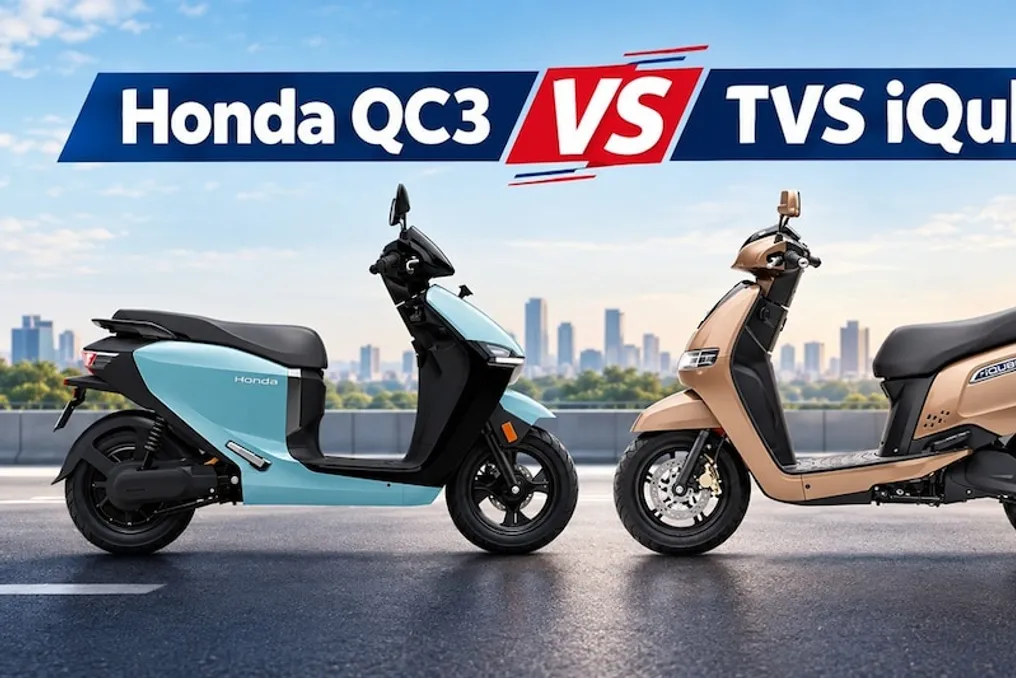
Honda has introduced its new electric scooter, the Honda QC3, which is the company's third model in the electric scooter segment. Previously, Honda had released the QC1 and Activa e models. Despite successes in selling gasoline scooters, the company has not yet achieved similar success in the field of electric vehicles.

The family electric scooter from the brand is equipped with a 3 kWh battery. According to Honda, the charging time for this scooter from zero to 80 percent is only 2 hours and 40 minutes. The Honda QC3 will compete in the Indian market with players such as TVS iQube and Bajaj Chetak.

The price of the Honda QC3 is set at 1.35 lakh rupees, including export duties. Currently, this scooter is available only in five cities: Delhi, Agra, Katak, Surat, and Kollam. Meanwhile, the TVS iQube, with a 3.1 kWh battery, costs 1.30 lakh rupees with export duties, and it can be found in most cities without issues with delivery or availability.

The Honda QC3 is equipped with a 3.0 kWh battery, with a claimed range of 145 kilometers. In contrast, the TVS iQube offers several battery pack options; the option with a 3.1 kWh battery has a claimed range of 123 kilometers. Thus, on paper, the Honda scooter demonstrates a greater driving range.

Furthermore, in terms of charging time, the Honda QC3 appears more efficient, as it charges to 80 percent in 2 hours and 40 minutes, whereas the charging time for the TVS iQube exceeds 4 hours. Both scooters have a spacious under-seat storage capacity of 32 liters.

In terms of technical specifications, the Honda QC3 appears to be the stronger option compared to the iQube, thanks to faster charging time and greater range. However, the biggest problem for the Honda QC3 remains the issue of availability: it is currently limited to five cities, and the company has not yet provided information on its delivery date.

On the other hand, the TVS iQube is a more established choice, as it is among the best-selling electric scooters every month. If a consumer needs a reliable family scooter, the TVS iQube currently seems to be the more preferable option.

GIFT Nifty fell by more than 100 points; Asian markets show mixed dynamics amid global bond sell-off
Read more
business-standard.com

GIFT Nifty fell by more than 100 points; Asian markets show mixed dynamics amid global bond sell-off

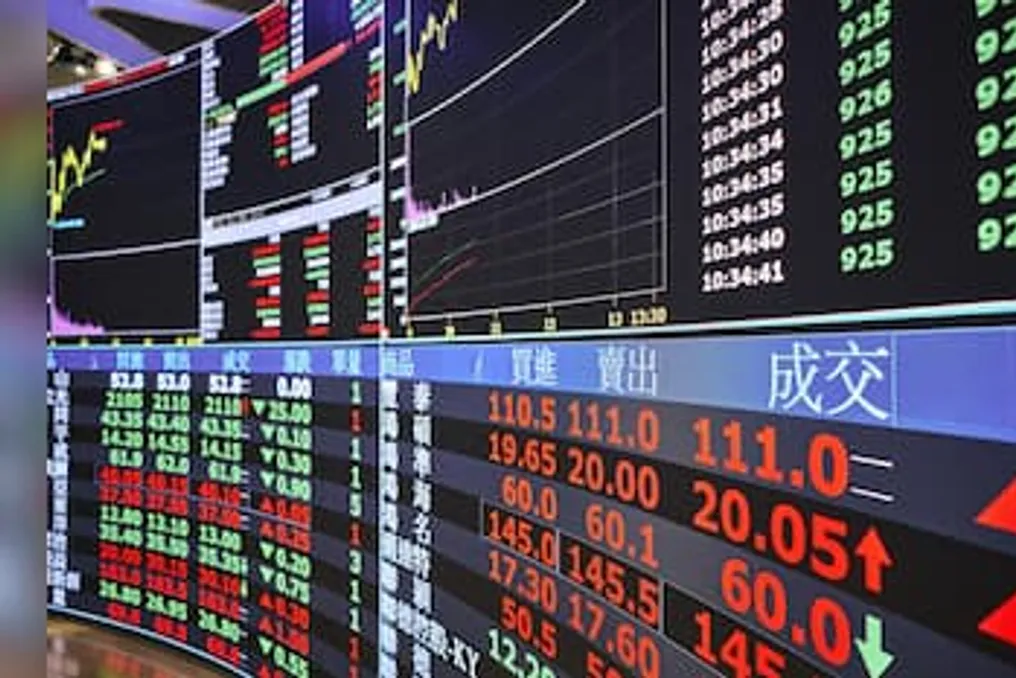
GIFT Nifty signaled a possible decline in the Nifty50 index opening, as the sell-off in global bonds weakened risk appetite. Asian markets showed mixed results on Thursday morning.

According to data from September 24, 2026, most global markets recorded losses after the rise in global bond yields, which was caused by concerns about further interest rate hikes in the US. GIFT Nifty futures traded at 23,268.50, down by 182 points.

Asian-Pacific markets traded with mixed performance on Thursday morning. Japan's Nikkei 225 and South Korea's Kospi rose by 1.47% and 0.9%, respectively. Meanwhile, China's CSI 300 and Hong Kong's Hang Seng fell by 0.73% and 0.68%.

Overnight, the yield on the benchmark 10-year US Treasury bond jumped by 15 basis points to 5.11%. This was the largest single-day jump since Trump announced tariffs in 2025, according to Bloomberg. Robust economic data and hawkish statements from US Federal Reserve Chairman Michael Barr led to increased bets on further monetary policy tightening in the near future.

US Treasury yields rose amid growing expectations of the start of a rate hike cycle. The Dow Jones and S&P 500 closed lower by 0.68% and 0.75%, respectively, while the Nasdaq Composite finished trading down by 1.13%.

Brent crude oil futures traded above the $100 per barrel mark during Asian trading hours, despite a partial retreat from the previous session's gains. September futures were valued at $102.57, which is 0.82% lower on the Intercontinental Exchange. Gold futures remained unchanged, while silver futures fell by 0.79%.

Initial Public Offerings (IPOs)

On Thursday, subscriptions open for Initial Public Offerings (IPOs) of Moneyview, A-One Steels, Green Asia Impex, Peshwa Wheat, and Roopa Screen. On the mainboard section, the second day of subscription opens for IPOs of Adroit Industries, Elevate Campuses, Swastika Infra, and ArMee Infotech. In the SME segment, the second day of subscription opens for Unitec Fibres, S.K.Offset, Liqvd Digital, Pooja Logistics, and Coreintegra Consulting. The last day of subscription will be for the IPOs of Varmora Granito, Anand Seamless, and Himalaya Nutravedics.

Popular