The White Swans Catalogue, published by the International Youth Library in Munich, has presented its edition for 2026. It features over 200 children's and young adult works in about 40 languages, including four titles in Persian from Iranian authors.
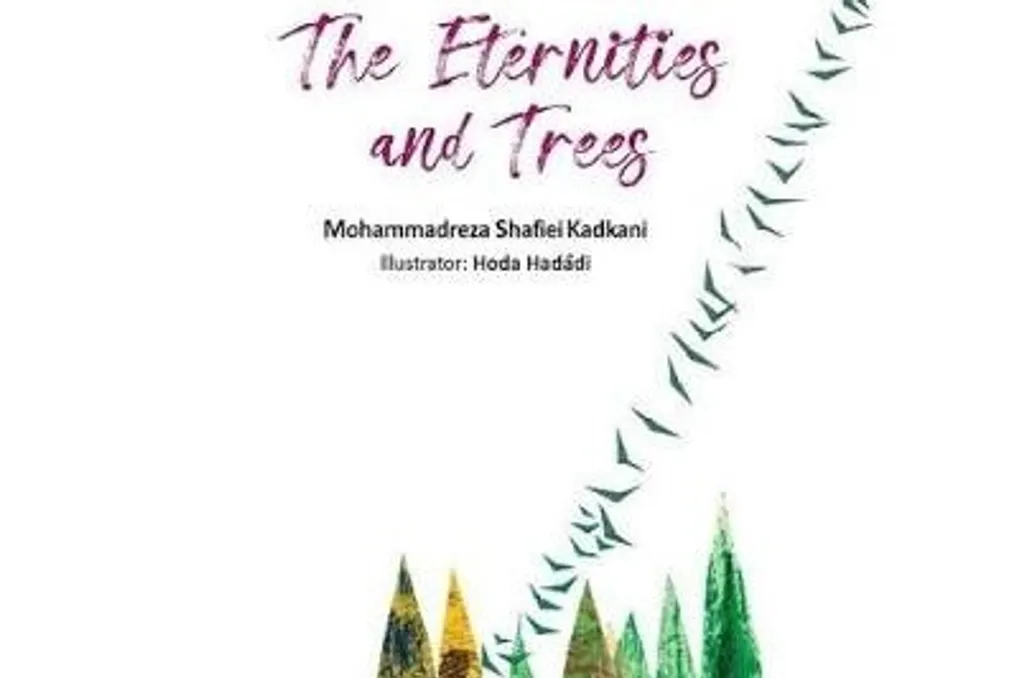
According to an ISNA report, the Iranian books on the list include 'The Suitcase Mix-up,' written by Farhad Hasanzadeh and illustrated by Khaled Gorbani; 'The Eternities and Trees,' authored by Mohammad-Reza Shafiei Kadkani, with illustrations by Hoda Hadadi; 'We Are All Birds,' written by Mehdi Heyvani and illustrated by Ghazaleh Bigdelu; and 'Where the Sun Rises,' created by Ali-Asghar Seyedabadi with illustrations by Hadi Baghadi.
'The Suitcase Mix-up' addresses themes of migration, cultural diversity, and friendship. The author notes that the art of friendship is often best absorbed by children—they are simple, sincere, and devoid of pretense. This is reflected in the friendship between the girls Gisu and Ibis.
After moving to Canada with her family, Gisu discovers that her suitcase has been mistakenly swapped with a Cuban girl named Ibis. When the families meet to exchange luggage, an unexpected friendship blossoms between the two girls. This story speaks not only of personal friendship but also of the connection between two peoples, presenting aspects of Cuban and Iranian life as the girls discover similarities and differences in their cultures.
The engaging narrative and captivating illustrations make this book particularly memorable. Khaled Gorbani demonstrates mastery in vividly depicting diverse places and cultures while paying close attention to detail. Farhad Hasanzadeh was shortlisted twice for the Hans Christian Andersen Award, and Gorbani received an award at the 'Image of the Book' International Illustration and Book Design Competition in 2024.
'The Eternities and Trees' explores themes such as homeland, migration, the meaning of life, and poetry. Poetry has always held a special place in Iranian literature, and the works of some poets have entered the collective memory of Iranians, reflecting in everyday speech and writing.
Mohammad-Reza Shafiei Kadkani is considered one of Iran's most prominent contemporary poets, and his poems have secured a firm place in the hearts, minds, and language of Persian speakers. This collection includes poems selected for their appeal to young readers, addressing themes that are both emotionally significant and universally understandable. Despite their brevity and conciseness, these poems cover deep subjects such as migration, identity, travel, nature, homeland, love, and the meaning of life.
Hoda Hadadi's captivating illustrations further enhance the beauty and depth of the text. In this book, the renowned Iranian artist remains faithful to the techniques that long defined her work while simultaneously venturing beyond her usual style to create a visual atmosphere distinct from her previous works.
'We Are All Birds' focuses on the themes of war, displacement, home, and freedom. The book celebrates both the sense of belonging and the value of freedom.
Forcibly leaving their home and city due to war and moving with their family to a refugee camp, the young narrator decides not to dwell on sorrow. Together with other children in the camp and the birds around them, she creates small diversions to ease the pain of forced relocation and homesickness. However, the birds teach her another important lesson: a cage can never be home. Home is a place where safety coexists with freedom and joy. The story is told with striking brevity, relying on just a few sentences, while the illustrations carry the bulk of the narrative. This approach elevates the book beyond the traditional picture book format, bringing it closer to the language of graphic novels.
The acclaimed author Mehdi Heyvani offers a fresh perspective on issues such as exile and refuge. Through the broad visual perspectives of illustrator Ghazaleh Bigdelu, the work conveys both the yearning for freedom and the feeling of homelessness underlying the piece.
'Where the Sun Rises' examines the themes of war and peace. Many conflicts arise because people cannot view the world from the perspective of those they oppose. This illustrated book, much like David McKee's classic 'Two Monsters,' presents this idea with remarkable clarity.
Two villages are situated on opposite sides of a mountain. The residents of one village see the sunrise over the sea and the sunset behind the mountain, while the residents of the other side observe the sunrise over the mountain and the sunset in the forest. These differing perceptions lead to a fierce dispute that escalates into war. When both sides ascend the mountain to meet, they discover the forest and the sea on the opposite side, respectively, and finally understand the reason for their contradictory views. A strong point of the book is its demonstration of how children recognize this difference in perspective and help prevent further conflict. Hadi Baghadi's detailed illustrations enrich the story, reinforcing its themes of diversity and inclusivity.
The annually published White Swans Catalogue contains brief annotations of over 200 significant new children's and young adult books from approximately 50 countries and regions and in more than 40 languages. These books are selected by children's literature experts from the International Youth Library from a large number of copies obtained through annual reviews and donations. The team focuses on works that may interest an international audience due to their literary and/or artistic quality and/or the themes they address.
The White Swans Catalogue serves as a treasure trove of literary discoveries and a compass for the vast market of children's books for publishers, libraries, literary festivals, international bookstores, and agencies, as well as for anyone interested in international children's literature. The IYL team will present some of the 2026 White Swans list books at the Frankfurt Book Fair, including their personal favorites. This event is a permanent fixture in the Frankfurt Book Fair calendar for several years.