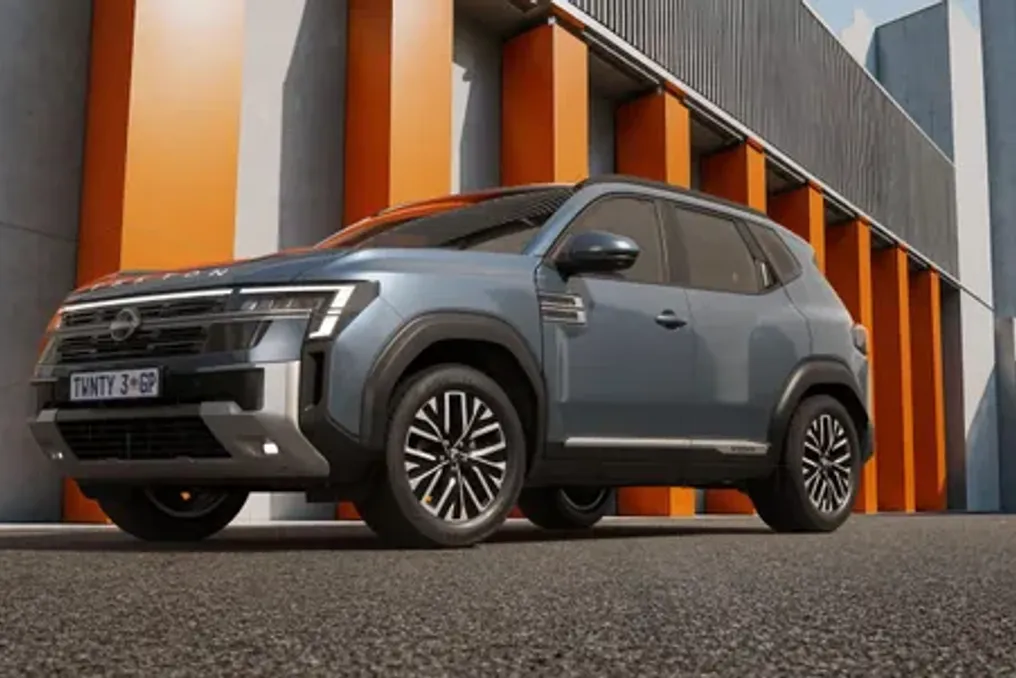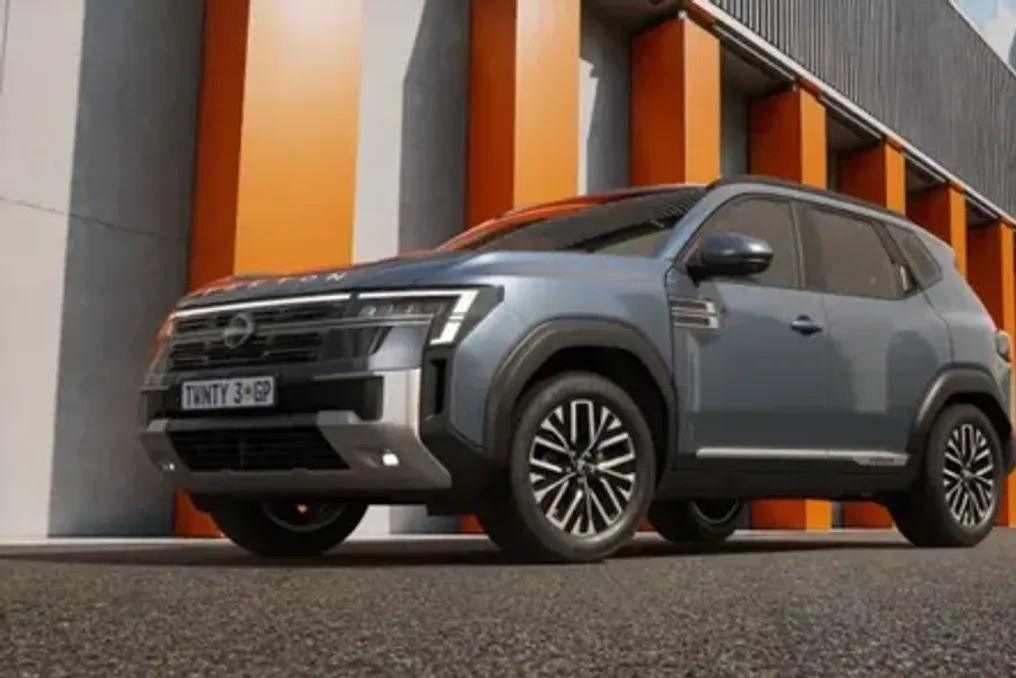
The new Nissan Tekton model has entered sales in South Africa. However, Nissan's global situation made a certain outcome inevitable. The company reported a net loss of approximately 533 billion yen for the 2025 fiscal year and announced the closure of seven production sites worldwide as part of its 'Re:Nissan' restructuring plan. This led to a reduction in global manufacturing presence from 17 to 10 facilities and the layoff of approximately 20,000 employees.
Production at the Rosslyn site could not withstand this rationalization. The production volume, which previously justified the investment, had long declined, and the factory's capacity utilization rate was at a level that the parent company could not defend to shareholders.
It is noteworthy who took over this niche and why. Chery is not a charitable organization rescuing troubled assets out of goodwill towards South African workers. It is China's third-largest automaker by volume, and it appeared in Rosslyn because the South African automotive market is rapidly moving in a direction set by the Chinese auto industry. In 2025, Chinese brands accounted for 16.8% of the South African passenger car market, up from 11.2% the previous year. By the end of 2025, there were 15 Chinese brands operating in the country, compared to eight in 2024.
Chery's group brands, including Omoda, Jaecoo, and Jetour, collectively sold nearly 5,000 units monthly. In contrast, Nissan's sales fell by 32% year-on-year in 2025, and the brand exited the top ten best-selling automakers in South Africa for the first time in decades.
Thus, the acquisition of Rosslyn is more of a logical expansion than a rescue operation. Chery gains a ready-made manufacturing enterprise with an existing workforce, established supplier relationships, and operates within a regulatory environment where it is already active. Most Nissan employees at Rosslyn retain their jobs under terms that do not significantly differ from before, and Chery has stated that the plant will produce SUVs—the most popular category in the region. Acquiring production capacity is significantly cheaper and faster than building a new facility.
It is also worth considering GWM Haval, which achieved stable sales volume in South Africa through aggressive pricing and long warranty periods without having its own production base in the country. Now, by being located in Rosslyn, Chery possesses a structural advantage that Haval lacks: local production grants access to APDP incentives under the South African Automotive Production and Development Programme, which rewards manufacturers for content localization and reaching threshold volumes.
If Chery intentionally utilizes these incentives, it will compete not only on price but also on cost, which traditional Japanese and European brands with less local presence cannot easily replicate. Regarding Nissan, the shift to a fully imported model in South Africa represents a strategic gamble with real risks. The brand maintains its dealership network and has announced new models, including Tekton and Patrol, for the 2026 fiscal year. However, importing finished vehicles into a market where a competitor now produces locally, while its own sales volumes are falling, is an uncomfortable position. The history of automotive brands that abandon local production in emerging markets and try to remain relevant solely as importers is not optimistic.
Ultimately, the Rosslyn deal signals a structural shift in the South African automotive landscape. NAAMSA described the rise of Chinese brands not as a short-term spike but as a redefinition of how consumers in this market make purchasing decisions, shifting the focus from brand loyalty to value. Chery with the factory presents a different scenario than Chery without it.
Nissan created something in Rosslyn for six decades. Now Chery has the opportunity to decide what comes next.