Opportunities for Uzbek Applicants in Russian Universities: Quotas and Educational Programs
Read more
Sputnik Uzbekistan
sputniknews.uz

Opportunities for Uzbek Applicants in Russian Universities: Quotas and Educational Programs

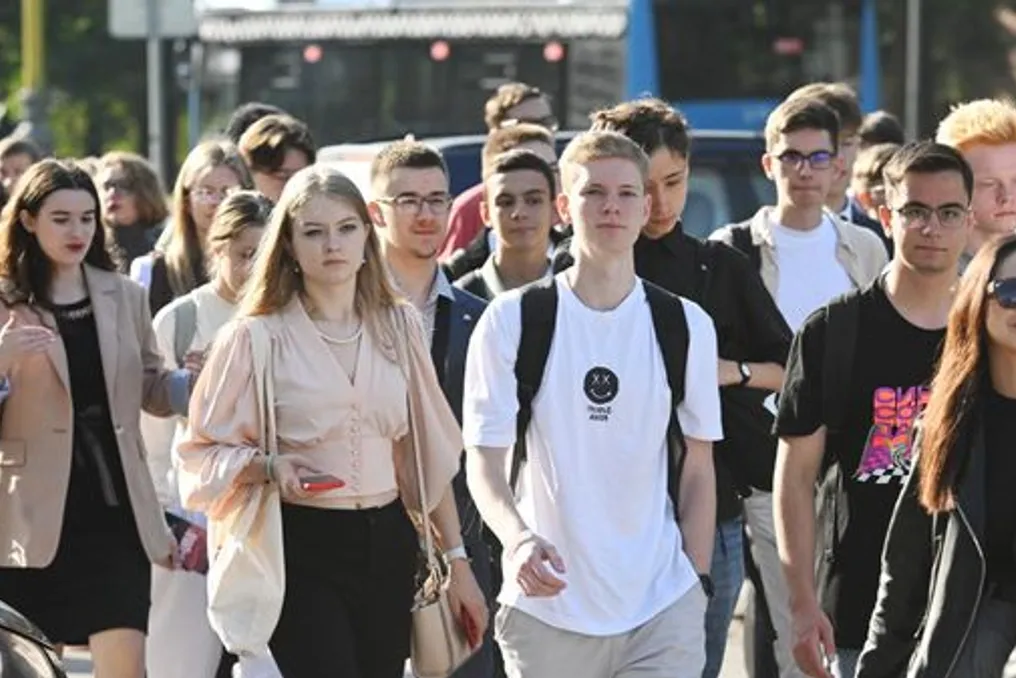
810 places have been allocated for applicants from Uzbekistan in Russian higher education institutions, funded by the federal budget. More than 40 educational institutions will present their programs at the education exhibition in Tashkent.

During a press conference dedicated to the international education exhibition 'Russian Education. Tashkent — 2026,' a meeting was held at the Uzbek Center for International Media under Rossotrudnichestvo. Irina Staroselskaya, head of the Rossotrudnichestvo representation in Uzbekistan, took part in the event.

The exhibition will take place on September 25–26 at the MGIMO branch in Tashkent. Over 40 Russian higher education institutions will participate, providing applicants with information about their curricula and admission opportunities.

For the first time, Moscow State Technical University named after N.E. Bauman will present its educational programs at the exhibition. The university's branch in Tashkent began operations this year and is the only foreign branch of 'Bauman University.'

University representatives will provide applicants with detailed information on specialties, admission requirements, campuses, living conditions, and post-graduation prospects. It is expected that between 4,000 and 5,000 applicants, accompanied by their parents, will attend the exhibition.

At the press conference, special attention was paid to the opportunities for quota-based study. This year, 810 places have been allocated for Uzbekistan based on funding from the Russian federal budget. Staroselskaya emphasized that graduates who studied in Russia under a quota are not obliged to remain there after completing their studies; they can also apply the knowledge and experience gained in Uzbekistan.

Currently, there is high demand among Uzbek applicants for humanities fields. Popular areas include economics, IT, engineering, and natural sciences, as well as pedagogy, medicine, and agricultural specialties.

Additionally, the 'IT Navigator' project is planned for Namangan and Nukus. This project aims to provide schoolchildren with information about educational and professional development opportunities in the field of IT. Previously, Rossotrudnichestvo, together with School No. 21, conducted this initiative in Tashkent and Samarkand, paying special attention to attracting girls to the IT sector and demonstrating career prospects in this field.
Similar stories

National Monitoring for Preventing Child and Forced Labor in Uzbekistan's Cotton Harvest Campaign
Read more
uza.uz

National Monitoring for Preventing Child and Forced Labor in Uzbekistan's Cotton Harvest Campaign

A press conference was held in the capital, organized by the Federation of Trade Unions of Uzbekistan. At it, work being conducted to create conditions for workers during the 2026 cotton harvest campaign, as well as measures to prevent child and forced labor, was discussed.

Information was presented during the event about the launch of the National Monitoring, which will monitor compliance with standards during the cotton collection period.

Two-year training for mid-level medical personnel is being abolished in Uzbekistan in favor of higher education
Read more
sputniknews.uz

Two-year training for mid-level medical personnel is being abolished in Uzbekistan in favor of higher education

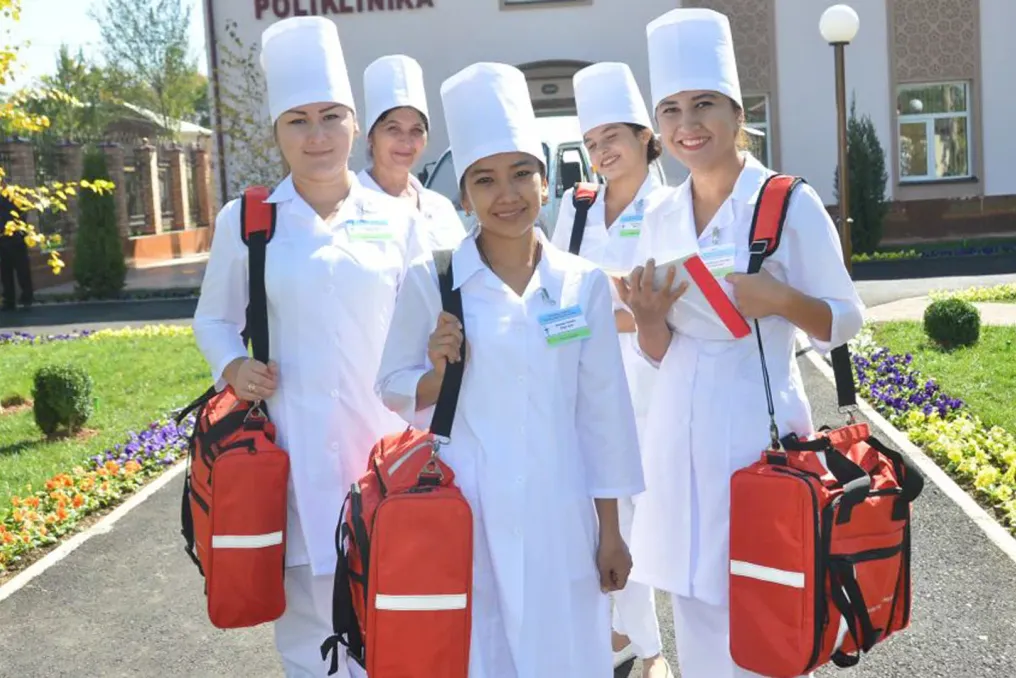
The system for training mid-level medical personnel is changing in Uzbekistan, while the training of highly qualified nurses and medical workers with higher education is being expanded. Starting from the 2027/2028 academic year, the system of training mid-level medical personnel through two-year programs will be abolished.

According to the new decree signed by the president, additional financial incentives will be introduced for bachelor's graduates in the specialties 'nurse' and 'medical worker'. Master's graduates will receive double the bonus.

The current minimum wage (MHTEKM) is 1.36 million soums. If this amount is maintained, bachelors will receive 1.36 million soums monthly, and masters will receive 2.72 million soums as an additional payment.

New specializations will be introduced starting from the 2027/2028 academic year: 'Medical Support' based on 'Nursing' and 'Higher Medical Support' based on 'Higher Nursing'. Female graduates will be awarded the qualification 'nurse', and males will be awarded 'medical worker'.

The state order for the 'Higher Medical Support' specialization will increase by at least 20% annually until the 2030/2031 academic year. Additionally, joint educational programs will be created with master's programs and foreign higher education institutions in this field.

Thus, starting from the 2027/2028 academic year, enrollment in two-year programs for training mid-level medical personnel will cease. This will allow the system to gradually shift its focus towards training highly qualified specialists with higher education.

Popular