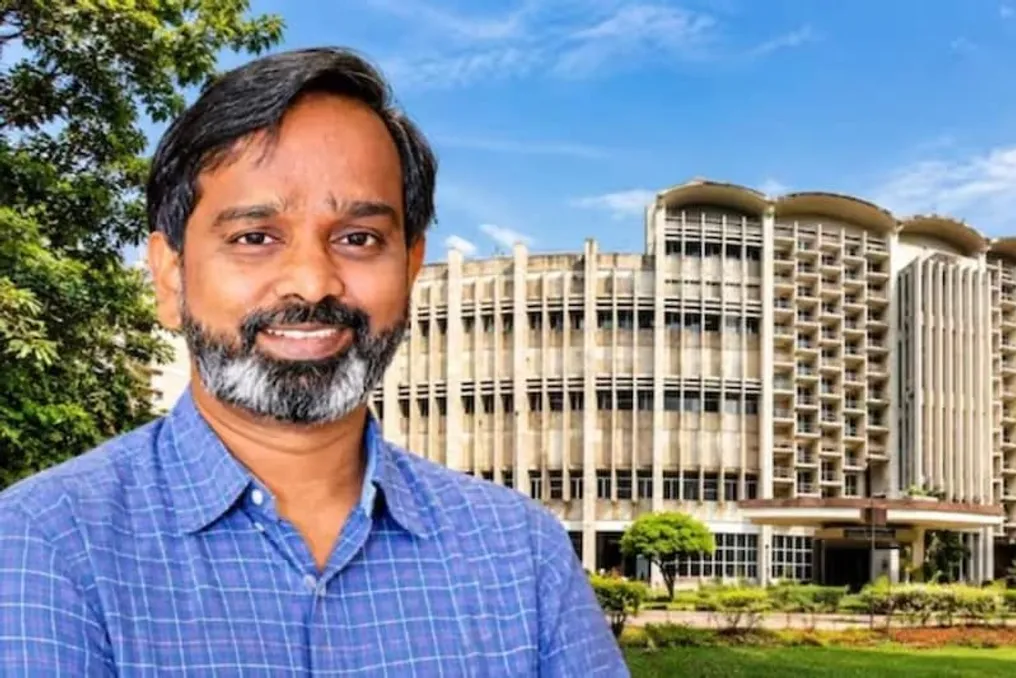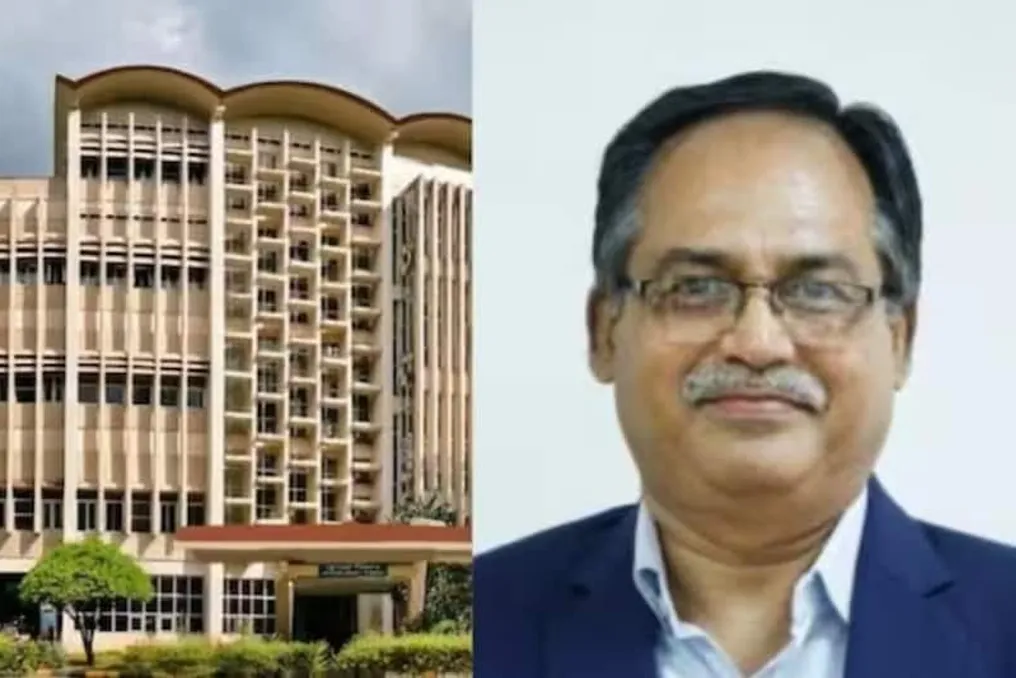
Following the death of student Sahil Wakode at IIT Bombay, two professors are drawing the most attention: IIT Bombay Director Shirish Kedare and Professor Suryanarayan Dula. Sahil's parents and students are demanding the resignation of both faculty members.
Professor Shirish has long ties to the institute, having known the campus for 41 years. He himself received an engineering degree from IIT Bombay and now heads the institution. Furthermore, he has worked in various capacities.
Professor Shirish's connection to IIT Bombay is very deep. He has been familiar with the institute for 41 years. In 1985, he obtained a bachelor's degree in mechanical engineering, and later in 1992, he earned a Ph.D. there. In May 2024, he was offered the position of director.
Before becoming director, he held academic and administrative posts. His responsibilities included membership in the Indian IIT Council appointed by the Ministry of Education, as well as participation in the IIT Madras Board of Governors, and work as a former independent director of ONGC.
According to the IIT Bombay profile, Shirish Kedare has published 57 international and 10 national articles. Additionally, 44 international and 7 national papers have been published in conferences and proceedings. His research interests differed from traditional engineering fields; he focused his research on the reciprocal wind mechanism, which converts wind energy into useful power.
After completing his postgraduate studies, while most students dream of careers in large corporations, Professor Shirish Kedare decided to work on rural development. From 1992 to 1995, he was involved in rural development projects.
Professor Shirish Kedare also spoke about the culture of tutoring. He believes that excessive reliance on tutors can negatively affect students' ability to understand and deeply study material. In one interview, he noted that coaching centers often focus on exam passing strategies, which can harm conceptual understanding.
Professor Shirish Kedare also performed various duties in corporate and government institutions. He served as an independent director at ONGC, a Maharatna company. Additionally, he was part of the Research Advisory Council (RAC) of NTPC and the Board of Governors of IIT Madras.