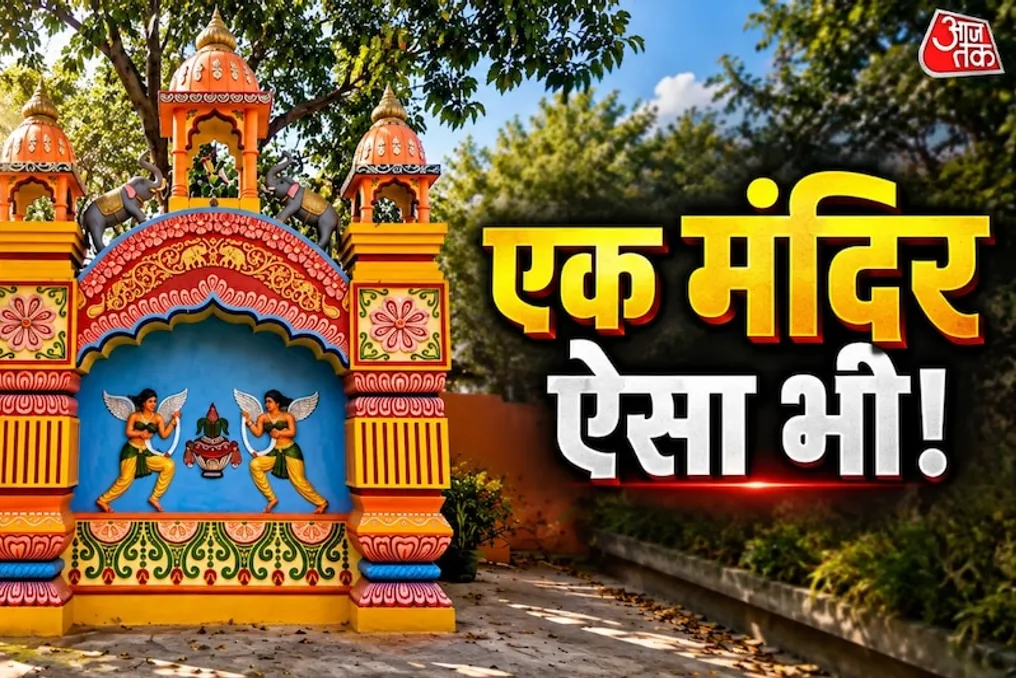
The Hati Keda Thakur Temple, located in the East Singhbhum district of Jharkhand state, is known for its unique beliefs and traditions. This temple differs from ordinary shrines in that instead of traditional depictions of deities, worship is paid to clay elephants. According to accounts, the traditions associated with this temple have existed for about 300 years.
Historically, the Dalma area faced a severe threat from wild elephants that raided villages at night. Local residents tried to scare them away by setting up night patrols, lighting torches, and playing drums. However, the problem did not disappear completely.
According to legend, elders advised the villagers to make elephants out of clay and venerate them. Following this, people began to worship the clay elephants with reverence. It is believed that soon the aggression of the wild elephants decreased. The residents perceived this as the grace of Hati Keda Thakur and began conducting rituals in this place, which became the center of their faith.
Significance of the name 'Hati Keda'
The name 'Hati Keda' is also connected to the temple's beliefs. In the local language, 'Keda' is associated with expulsion or warding off. Therefore, 'Hati Keda' means a prayer for deliverance from attacks by wild elephants and their deterrence. This is why the tradition of offering clay elephants here holds special significance.
Absence of traditional deity images
The main feature of the Hati Keda temple is that instead of a traditional statue of a deity, clay elephants are worshipped. Within the temple complex, one can see elephants made of clay of various sizes. Pilgrims come here with their wishes and offer a clay elephant after worship. In addition, they also bring coconuts, shawls, incense, and lamps.
Tradition of sacrifices
Local religious customs associated with the temple also include the practice of animal sacrifice. Some devotees, following age-old beliefs, offer rams or sheep as sacrifices. This is considered part of local religious rites, although such practices are closely linked to the community's local beliefs and customs.
Unique belief about communion in the temple
Some local beliefs make the Hati Keda temple even more special. It is said that women do not partake in communion at this temple. Furthermore, it is forbidden to take the communion outside the temple complex or to take it home. These rules are part of local traditions and beliefs that pilgrims follow according to their faith.
Deep connection with the Dalma hills and elephants
The Hati Keda temple is also connected to the surrounding forests and hills of Dalma. Wild elephants still inhabit the Dalma area today, and sometimes herds reach nearby villages in search of food. Because of this, the folk belief in the temple is related not only to religious convictions but also to the long-standing relationship between humans and wild animals.
When the largest crowds gather
The largest crowds gather at the temple during Makar Sankranti, the month of Chaitra, and local tribal festivals. Additionally, a large number of pilgrims arrive here on Sundays and Tuesdays. On these days, people from remote areas come to see Hati Keda Thakur and pray for their wishes to be fulfilled.
How to reach the Hati Keda temple
If you plan a trip to the Hati Keda Thakur temple, you can first travel to Jamshedpur. The Tatanagar railway station is one of the main ways to arrive. From Jamshedpur, you can reach the temple by bus, taxi, or private transport. Before starting your journey, it is recommended to find information about local routes, road conditions, and the current schedule of services at the temple.
Other nearby attractions
While visiting the Hati Keda temple, you can also explore other natural and tourist spots. The Dalma Sanctuary and Dalma Hills are special places for nature lovers. Additionally, Dimna Lake and Jubilee Park in Jamshedpur are good options for visiting. If you have enough time, you can visit other nearby natural attractions.
History of coexistence of faith and nature
The Hati Keda Thakur Temple is known not for its magnificent architecture, but for its simplicity, local traditions, and unique folk belief. The figures of clay elephants in the temple complex are its most distinctive feature. This tradition, which has existed for about three centuries, is maintained by local residents with deep respect. This temple tells a story not only of religious faith but also of ancient connections between the forest, wildlife, and human life. This is why the Hati Keda Thakur Temple is considered one of the unique religious sites of Jharkhand, where the practice of worship differs radically from that accepted in ordinary temples.