Spinny prepares for IPO with plans to raise up to 300 billion rupees; Sachin Tendulkar among investors
Read more
Aaj Tak
www.aajtak.in

Spinny prepares for IPO with plans to raise up to 300 billion rupees; Sachin Tendulkar among investors

Spinny, a company dealing in used cars, is preparing to enter the stock market. Cricket icon Sachin Tendulkar invested in the company about three years ago. According to sources, the company is working on an IPO placement worth between 250 and 300 billion rupees, and the project document has been submitted to SEBI.

Spinny's parent company, Valuedrive Technologies, has taken steps towards an IPO. According to the report, a Draft Red Herring Prospectus (DRHP) was filed with SEBI. This filing followed approximately one month after structural changes in the parent company. In August 2026, Valuedrive Technologies was converted from a private to a public company.

The company is currently working to raise between 250 and 300 billion rupees through the IPO. The proposed offering may include the issuance of new shares, as well as providing existing shareholders with the opportunity to sell part of their stake through an Offer For Sale (OFS). However, this is only a preliminary draft at this stage, so the final size of the IPO may change. The final picture of the offering will only become clear after SEBI approval and completion of further procedures by the company.

To prepare for the IPO, the company has engaged several large financial institutions. Among them are Kotak Mahindra Capital Company and Citigroup Global Markets India. Additionally, Morgan Stanley India Company and 360 One WAM have been appointed as Book Running Lead Managers. These institutions will support the company in preparing for the offering and during the process of bringing shares to the market.

Sources indicate that Spinny's parent company plans to list on the stock market in 2027, although the exact date has not yet been determined. The company's next steps depend on SEBI approval, so 2027 should be considered only a potential timeframe.

The IPO preparation comes amid the growth of the company's business. According to regulatory filings, the company's operating revenue in fiscal year 25 (FY25) increased by approximately 25%, reaching 465.7 billion rupees compared to 373 billion rupees in FY24. Sources predict that the company's revenue will reach around 600 billion rupees in FY26, with an expected additional growth of 25–30% in FY27. Thus, the company is simultaneously preparing for its market debut while focusing on expanding its business.

Spinny was founded in 2015 by individuals such as Niraj Singh, Mohit Gupta, and Ramanshu Kumar. Niraj Singh is the CEO of the company. The company's core business focuses on buying and selling used cars. In addition, it provides services such as auto financing, insurance, and after-sales service. This means the company aims to create a complete ecosystem for customers buying and selling used cars, rather than being limited to just selling vehicles.

Spinny has branches in 25 cities, expanding its business through acquisitions of companies such as Trubil, GoMechanic, and AutoCar India, which has significantly increased its automotive business. Currently, the company sells about 15,000 cars monthly, and its platform enables transactions for over 100 sellers in more than 25 cities.

Spinny has already attracted about $78 million in funding. Key investors include Tiger Global and Axcel. In the latest round, about $16.5 million was raised from Axcel Leaders Fund, Fidelity Investments, and other investors. This funding was secured at a company valuation of $150–180 million.

In 2021, Spinny became a unicorn, raising about $28.3 million in funding. After this round, the company's valuation reached approximately $180 million. Investors in this round included ADQ from Abu Dhabi, Tiger Global, Avenue Growth, as well as Elevation Capital, General Catalyst, Fundamentum Partnership, Think Investments, and Westbridge Capital.

An Initial Public Offering (IPO) is the process by which a company first issues its shares to the general public in the stock market. Simply put, the company goes public by selling part of its stake to the public. The main reason for conducting an IPO is to raise capital. Funds received by the company through an IPO can be used for various purposes, such as business expansion, debt repayment, launching new projects, or giving existing investors the opportunity to sell their stake through OFS. Money received from OFS goes to the existing shareholders, not the company. Another goal of going public is to increase the company's market visibility. The status of a listed company makes the business and share value visible to the market. If the company issues new shares in an IPO, then...

Similar stories

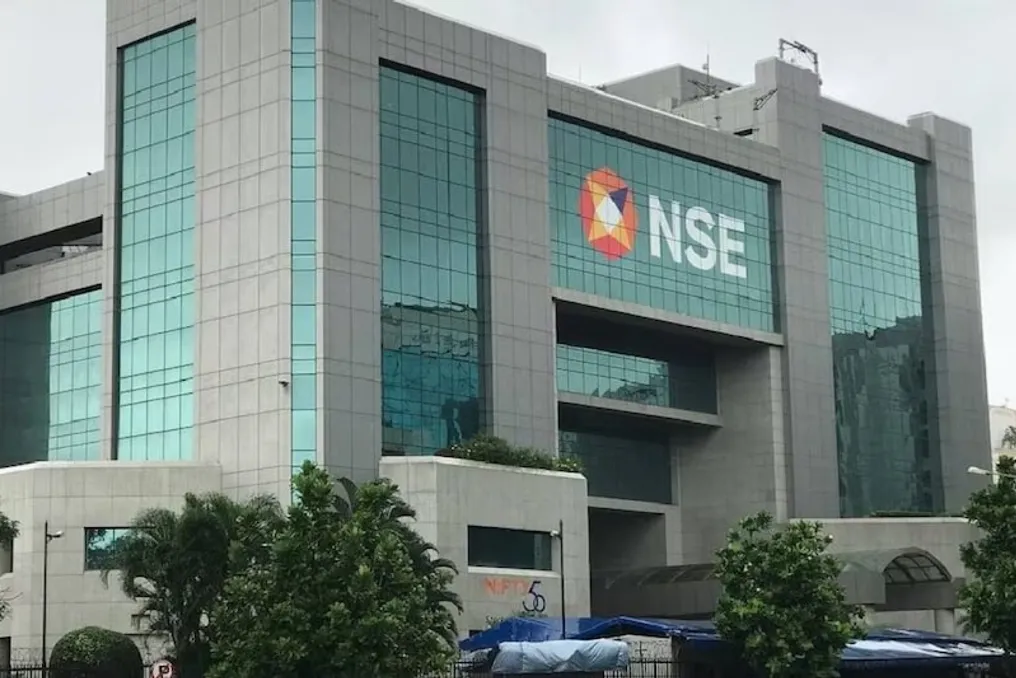
NSE Initial Public Offering received nearly fourfold interest on the final trading day
Read more
yourstory.com

NSE Initial Public Offering received nearly fourfold interest on the final trading day

The Initial Public Offering (IPO) of the National Stock Exchange of India (NSE), which is the second-largest public offering in the country, attracted 3.92 times more applications on the final trading day on Monday. The volume of this offering was 22,569 crore rupees.

This IPO is the second largest public offering in India after the Hyundai Motor India IPO in 2024, which reached 27,870 crore rupees. Although the NSE IPO exceeded the LIC offer of 21,000 crore rupees in 2022, it still falls short of the record public offering from Hyundai Motor India.

According to BSE data as of 14:35, 34.78 crore shares (34,78,26,096) were applied for the IPO against 8.86 crore shares (8,86,42,911) that were offered for sale.

Different participant categories showed varying levels of interest: Qualified Institutional Buyers (QIBs) demonstrated a subscription rate of 7.99 times, the non-institutional investor share was subscribed 5.07 times, and the retail investor quota received 1.13 times subscription.

Last Wednesday, NSE attracted 6,746 crore rupees from anchor investors, including the state insurance company Life Insurance Corporation of India (LIC), Goldman Sachs, and Fidelity. Furthermore, sovereign funds such as GIC Singapore, Abu Dhabi Investment Authority (ADIA), and Norges Bank participated in the anchor round, along with Eastspring and HSBC Global Asset Management.

The IPO includes an Offer for Sale (OFS) of up to 12.64 crore equity shares from existing shareholders. The exchange set the price band for the IPO at 1,700–1,785 rupees per share. At the upper limit, this will provide a valuation of up to 4.42 lakh crore rupees.

Since the offering is entirely an OFS, the proceeds from the sale of shares will go to the existing shareholders, not to NSE itself. NSE shares are expected to debut on the market on September 24.

This public offering marks a significant milestone for NSE, whose listing plans were suspended for almost a decade due to regulatory hurdles, including disputes related to co-location. The reduction in the size of the OFS from the initially planned 14.9 crore shares lowered the total offering volume from the initial estimate of around 30,000 crore rupees.

Six companies plan IPOs worth 3,825 crore rupees amid primary market activity
Read more
business-standard.com

Six companies plan IPOs worth 3,825 crore rupees amid primary market activity

Six companies, including Elevate Campuses and Varmora Granito, intend to enter the primary market next week. They aim to raise a total of 3,825 crore rupees through Initial Public Offerings (IPOs), as fundraising activity shows a rapid pace in 2026.

In addition to these two issuances, A-One Steels India Ltd, ArMee Infotech Ltd, Swastika Infra, and Adroit Industries (India) Ltd will also launch their public offerings, bringing the total number of planned IPOs for the week to six.

The IPO subscription will be open from September 22 to 28, with most offerings opening on September 23. The funds raised from the new placements will primarily be directed towards business expansion, capital expenditures, debt repayment, working capital needs, and other general corporate requirements.

This current wave of IPOs follows an active start to September, during which 17 offerings have already been completed. Currently, the placement process is underway for a large listing on the National Stock Exchange (NSE) by textile manufacturer Sonaselection India Ltd.

With these offerings, the number of companies launching IPOs in 2026 is expected to reach 87, including 23 issuances in August.

Kamraj Singh Negi, Managing Director and CEO of Pantomath Capital, noted: 'The primary market has clearly regained momentum, with July and August accounting for almost 60 percent of the 83,062 crore rupees raised through IPOs so far in 2026.'

He added that at the current pace of issuance and pipeline depth, the market has the potential to exceed last year's fundraising figures, although the final result will depend on market conditions and listing timelines.

Furthermore, he stated that the prospects for the remainder of the year are particularly favorable given the pipeline depth. 167 companies have received Sebi approval, representing an estimated potential issuance size of 3.06 trillion rupees, and another 71 companies, with an estimated size of 1.60 trillion rupees, are awaiting approval.

'This gives issuers significant freedom of choice for market entry, as conditions remain favorable,' he concluded.

Elevate Campuses, supported by Hillhouse Investment, will enter the primary market with an IPO worth 2,100 crore rupees on September 23, with shares priced in the range of 343–362 rupees. The three-day public offering will conclude on September 25, and listing is expected on September 30. The IPO consists entirely of a fresh issue of ordinary shares, without a secondary offering (OFS) component.

Varmora Granito's IPO, valued at 708 crore rupees, will be available for subscription from September 22 to 24. The price band for the public offering was set at 140–148 rupees per share. This offering from the tile and sanitaryware manufacturer includes a fresh issue of ordinary shares worth up to 320 crore rupees and a secondary offering (OFS) of 2.62 crore shares worth up to 388 crore rupees by investor Katsura Investments.

Integrated steel producer A-One Steels India aims to raise 405 crore rupees through its first public offering, which opens on September 24 and closes on September 28. The price band was set at 385–405 rupees per share. The IPO includes a fresh issue of ordinary shares worth 355 crore rupees and a secondary offering (OFS) of promoter shares worth up to 50 crore rupees.

ArMee Infotech, which deals in integrated technology infrastructure and renewable energy, will launch its IPO worth 300 crore rupees from September 23 to 25. The price band for the offering is set at 350–375 rupees per share, and it is entirely a fresh issue of ordinary shares.

Swastika Infra, an EPC solutions provider in power distribution and infrastructure projects, will launch its IPO worth 161 crore rupees from September 23 to 25, with a price range of 175–185 rupees per share.

Adroit Industries (India) Ltd's offering of 151 crore rupees will open from September 23 to 25 with a price range of 126–134 rupees per share.

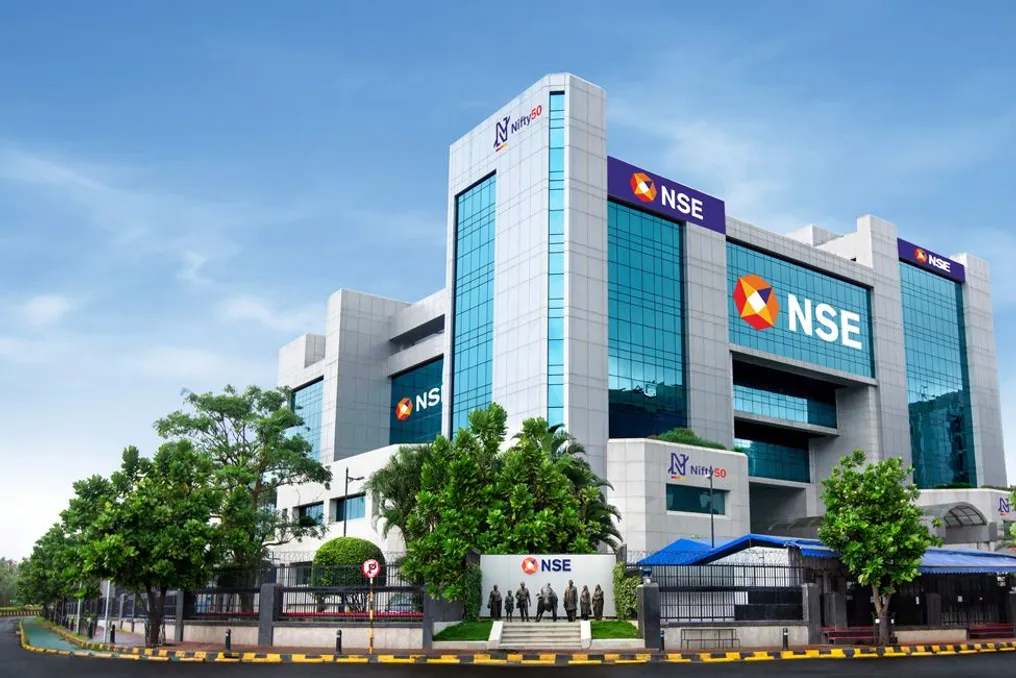
Details of National Stock Exchange (NSE) IPO Announced: Offer Size, Price Band, and Listing Dates
Read more
www.aajtak.in

Details of National Stock Exchange (NSE) IPO Announced: Offer Size, Price Band, and Listing Dates

Significant information has emerged regarding the Initial Public Offering (IPO) of the National Stock Exchange (NSE). According to sources, this IPO is expected to raise approximately 30,000 crore rupees and may commence on September 18th, with the stock listing scheduled for September 25th.

If the offering size reaches approximately 30,000 crore rupees, it could become the largest IPO in Indian history. However, official confirmation of these dates from the NSE has not yet been received, and the full IPO schedule has not been announced.

Sources suggest that the IPO price band might be announced on September 15th. Following this, the book-building process for anchor investors is expected to open on September 17th. Subsequently, the public subscription may open from September 18th to September 22nd, allowing investors to apply on September 18th, 21st, and 22nd.

The projected size of the NSE IPO is around 30,000 crore rupees. If this size is maintained, it will surpass the Hyundai Motor India IPO held in 2024, which raised 27,870 crore rupees, potentially making it the largest IPO in India. Due to this large volume, increased interest is anticipated from both domestic and foreign investors.

It is expected that the NSE IPO will be structured entirely as an Offer For Sale (OFS). This means the company itself will not issue new shares; instead, existing shareholders will sell a portion of their stake. Under the OFS, approximately 14.89 million equity shares with a face value of 1 rupee may be offered, constituting about 6% of NSE's paid-up capital.

Since the IPO will be conducted entirely through the OFS mechanism, no new shares will be issued, and the IPO proceeds will not go directly to the NSE. These funds will be received by the existing shareholders selling their stake. Reports also indicate that Bank of Baroda may sell its stake in the NSE IPO. The bank is expected to sell about 7.69 million NSE shares it holds under the OFS. According to reports, Bank of Baroda might realize about 35% of its stake in NSE, although the final number of shares and the stake will only be confirmed by official documents.

Considering the current probable timeline, the following dates may be significant for investors: September 15th—possible announcement of the price band; September 17th—possible opening of the book for anchor investors; September 18th, 21st, and 22nd—possible subscription dates; and September 25th—possible stock listing.

Nevertheless, investors should remember that all these dates are tentative. Final timelines will only become clear after the official schedule is published by the NSE. A clearer picture of the offer valuation, share volume, and the actual situation for investors can be seen after the price band and related IPO documents are released.

Popular