The United Nations High Commissioner for Refugees (UNHCR) issued a warning about how the effects of climate change are raising the danger of statelessness and making individuals who no longer possess global nationality more vulnerable.
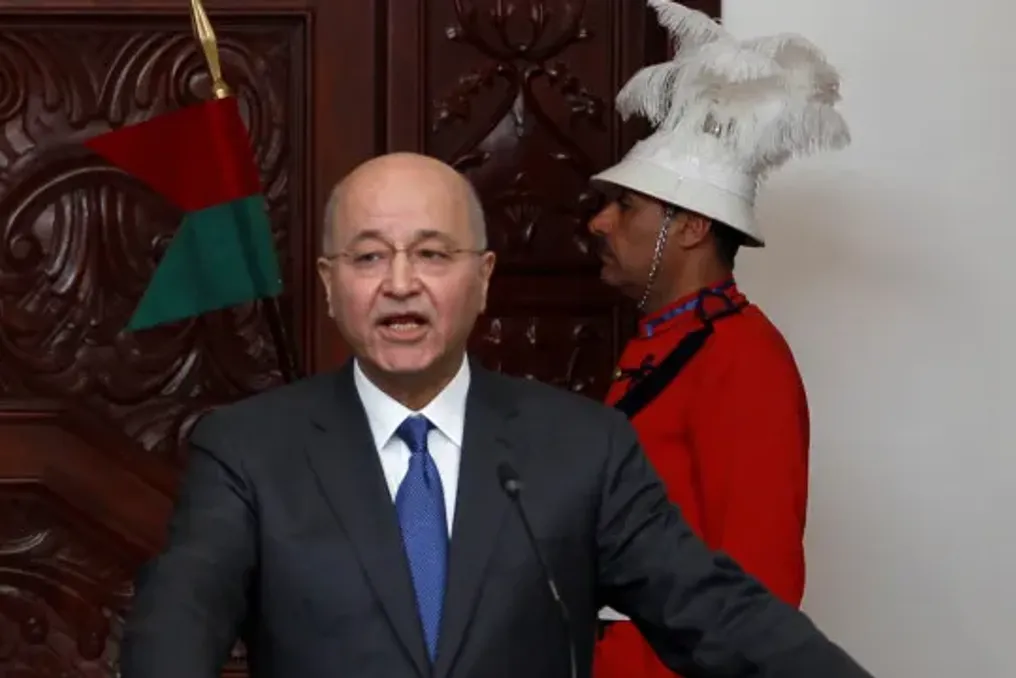
The High Commissioner, Barham Salih, warned in a statement that climate change constitutes an increasingly pressing protection crisis for vulnerable populations, with a special focus on stateless persons and those at risk of becoming stateless.
According to the Internal Displacement Monitoring Centre (IDMC), there have been a total of 27 million annual displacements caused by weather events over the last decade. UNHCR emphasizes that nearly 90% of the 4.5 million registered stateless persons reside in nations highly susceptible to increasingly severe climatic phenomena and continuous environmental deterioration.
These people already face major barriers to exercising their rights and accessing essential services such as education, health, employment, or even marriage. Climate change intensifies these obstacles, worsening social exclusion and insecurity, the agency adds.
Additionally, UNHCR points out that population movements and climate-related migrations, the loss of identity documents during natural disasters, failures in civil registration systems, and gaps in nationality laws put more people at risk of becoming stateless.
In partnership with the Peter McMullin Centre on Statelessness at the University of Melbourne, Australia, UNHCR released a set of recommendations directed at member states. Among the recommended actions, countries are encouraged to identify stateless persons displaced by the context of climate change and incorporate them into climate response and adaptation planning.
States are also advised to strengthen birth and identification registration mechanisms, implement processes to recognize and protect stateless persons in situations of climate displacement, and ensure that every affected child can obtain nationality.
Simultaneously requesting dedicated financial resources for this area, UNHCR and the Peter McMullin Centre call on governments, regional organizations, civil society, and development partners to implement these recommendations. The goal is to ensure that nationality systems, climate policies, and human mobility structures are inclusive, resilient, and capable of protecting the most exposed groups.
Barham Salih concluded by emphasizing that these global guidelines provide governments with practical guidance to safeguard the right to nationality against growing climate impacts and prevent existing stateless persons from becoming further marginalized.