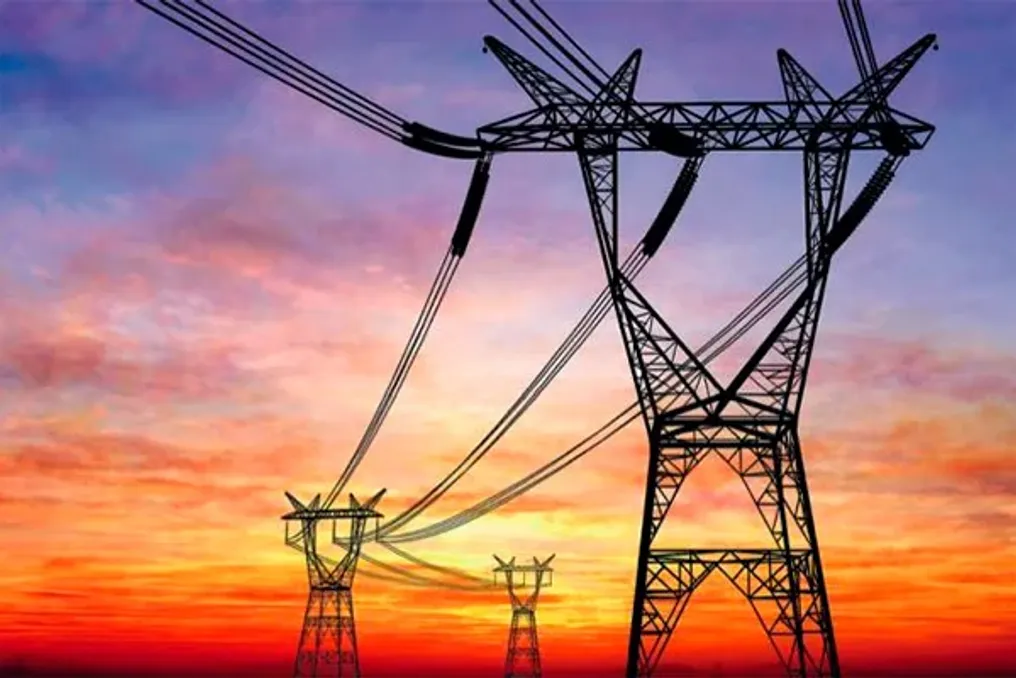
Energy system for 1 GW data centers planned in Karakalpakstan
Read more
UzDaily
uzdaily.uz

Energy system for 1 GW data centers planned in Karakalpakstan

The Ministry of Energy of Uzbekistan has announced plans to create new energy infrastructure in Karakalpakstan. This system is intended to supply data centers with a total capacity of 1 gigawatt of electricity generated from renewable sources.

According to directives from the President of Uzbekistan, a technopark will be established in the Nukus region, which will include these data centers. It is planned that these facilities will operate on 'green' energy.

As part of this project, new electrical infrastructure will be built in Karakalpakstan. It will ensure the connection of potential wind power plants to the data centers. Specifically, the construction of a new 500/220 kV substation and an additional 220 kV transmission line is planned.

The new infrastructure will allow data centers in Nukus to connect to regional wind power plants with a total capacity of 3.3 GW. Furthermore, the power supply to these centers will be organized in a way that does not affect the current electricity consumption of residential buildings and economic sectors.

To achieve this goal, the data centers plan to concentrate in a separate zone and supply them with necessary energy facilities as a single complex. According to the Ministry of Energy, locating large facilities in one place will help optimize infrastructure costs and increase the efficiency of energy supply.

It is expected that these centers will provide high-tech solutions and digital services not only for Uzbekistan but also for the wider region.

The first stage of construction of the new energy infrastructure is scheduled to be commissioned in the second half of 2027. The full capacity of the infrastructure should be reached by the second half of 2028. The project aims to create conditions for integrating new data centers into the energy system, attracting high-tech investments, and more effectively utilizing the energy potential of Karakalpakstan.
Similar stories

Uzbekistan plans to increase hydropower capacity by 3.6 GW by 2032
Read more
uzdaily.uz

Uzbekistan plans to increase hydropower capacity by 3.6 GW by 2032

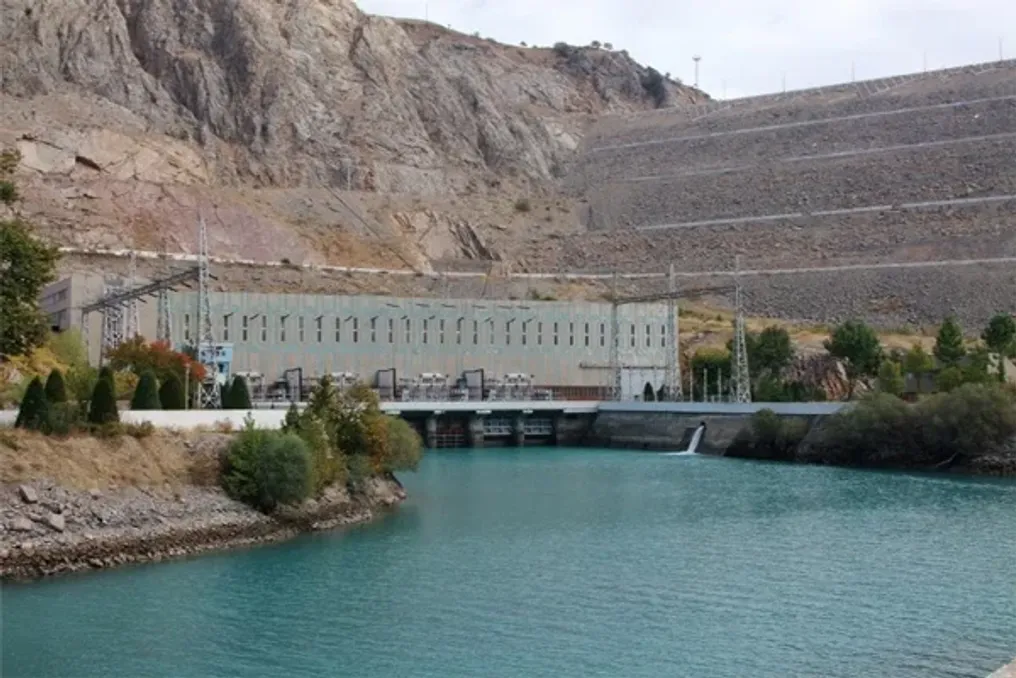
According to an article published in the newspaper Halk Suzi on September 20, 2026, Uzbekistan intends to implement 73 hydropower projects totaling $5.8 billion, which will add 3.6 gigawatts of new capacity by 2032. This new phase of hydropower development was approved by a presidential decree dated May 1 of this year.

Only in 2026 are 13 hydroelectric power plants expected to be commissioned, providing a power increase of 114 megawatts, an annual electricity generation of 537 million kilowatt-hours, and creating 254 jobs.

A separate part of the program focuses on the development of small and micro-hydroelectric power plants. A proposal for the construction of 2983 small and micro-hydroelectric power plants with a total capacity of 164 megawatts was presented, which was discussed at a presentation attended by the president.

Design and construction procedures for facilities up to 100 kilowatts are being simplified. Additionally, water management structures will be authorized to independently build small and micro-hydroelectric power plants for their own needs without holding auctions for installations up to 50 kilowatts.

Part of the program has already been completed. Before the 35th anniversary of Uzbekistan's Independence, the Chorbog wind power plant with a capacity of 20 megawatts was launched in the Bostanlyk district of Tashkent region, which is expected to generate 50 million kilowatt-hours of electricity annually.

The Rabat HPP with a capacity of 6.2 megawatts has been put into operation in Kashkadarya region, providing an average annual generation of 26.2 million kilowatt-hours. This is enough to supply about 11,000 households and will also allow for annual savings of 8 million cubic meters of natural gas and 6700 tons of coal.

The Zarchob-3A micro-HPP with a capacity of 0.5 megawatts has been launched in Sukhondarya region. Simultaneously, the construction of a cascade of hydroelectric power plants on the Kishtu River in the upper reaches of the Tupolang River is continuing. This project involves 42 small HPPs with a total capacity of 541 megawatts and a potential annual generation of about 1.9 billion kilowatt-hours.

In Namangan region, small HPPs Kugai-1 and Kugai-2 have been commissioned on the Bolshoy Andijan Canal with a total capacity of 18 megawatts. Their average annual output of 132.1 million kilowatt-hours will cover the needs of approximately 53,000 households and ensure annual savings of up to 40 million cubic meters of natural gas or 33,000 tons of coal.

According to Abdurakhmonov, localization of technologies is becoming a key condition for implementing the program. Uzbekistan has established the UzHydroPower factory, specializing in the production of hydro-turbines and technological equipment, and the first stage of the Naryn HPP cascade has already been implemented under the 'national project' model.

Karakalpakstan plans to increase the share of green energy to 76% by 2030
Read more
uzdaily.uz

Karakalpakstan plans to increase the share of green energy to 76% by 2030

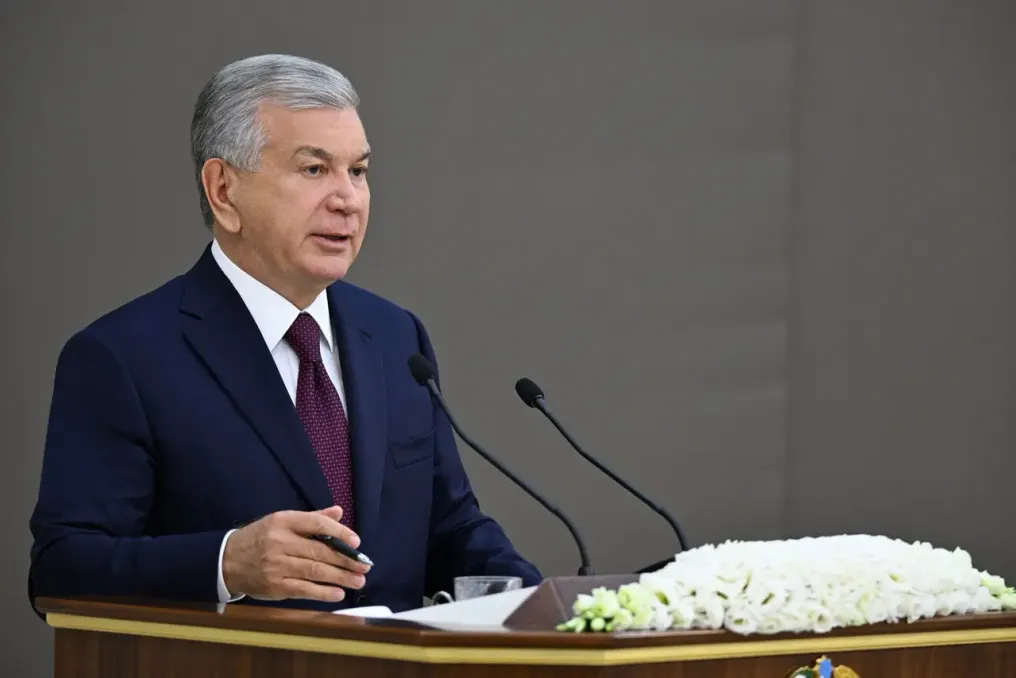
Uzbekistan President Shavkat Mirziyoyev stated that Karakalpakstan should become one of the largest regional centers for green energy production during a meeting on the socio-economic development of the republic held in Nukus.

Mirziyoyev noted that new energy facilities with a total capacity of 860 megawatts have been commissioned in Karakalpakstan in recent years. The construction of wind power plants in the districts of Beruni and Karauzyak has already raised the share of green energy in the region to 23%, and electricity generation has increased fourfold, reaching 5 billion 330 million kilowatt-hours, which is almost three times the annual demand of the republic's population and enterprises.

Furthermore, before the meeting, the construction of 47 new projects was initiated, including a wind power plant in Kungrad with a capacity of 1500 megawatts and a cost of 2.6 billion US dollars. This project involves the construction of 1500 kilometers of high-voltage transmission lines and three 500-kilovolt substations.

The President announced that by 2030, wind power plants with a total capacity of 3300 megawatts are planned to be commissioned in Karakalpakstan, which will allow the share of green energy to rise to 76%. Energy storage facilities with a capacity of 400 megawatts will also be created.

He emphasized that the republic possesses all the necessary resources to implement these plans, including land, mineral resources, solar and wind energy, as well as vast pastures. According to Mirziyoyev, these opportunities will form the basis for a new industrial and investment map of the region, based on the principle of transitioning 'from resources to finished products.'

Moreover, the Kungrad-Karauzyak-Takhytish direction should be transformed into a 'green industrial corridor,' which has been named the 'triangle of the smart economy' of Karakalpakstan. The President instructed responsible officials to develop a five-year regional energy development program by October 1st and ensure stable energy supply for investors with a capacity of 1 gigawatt.

Popular