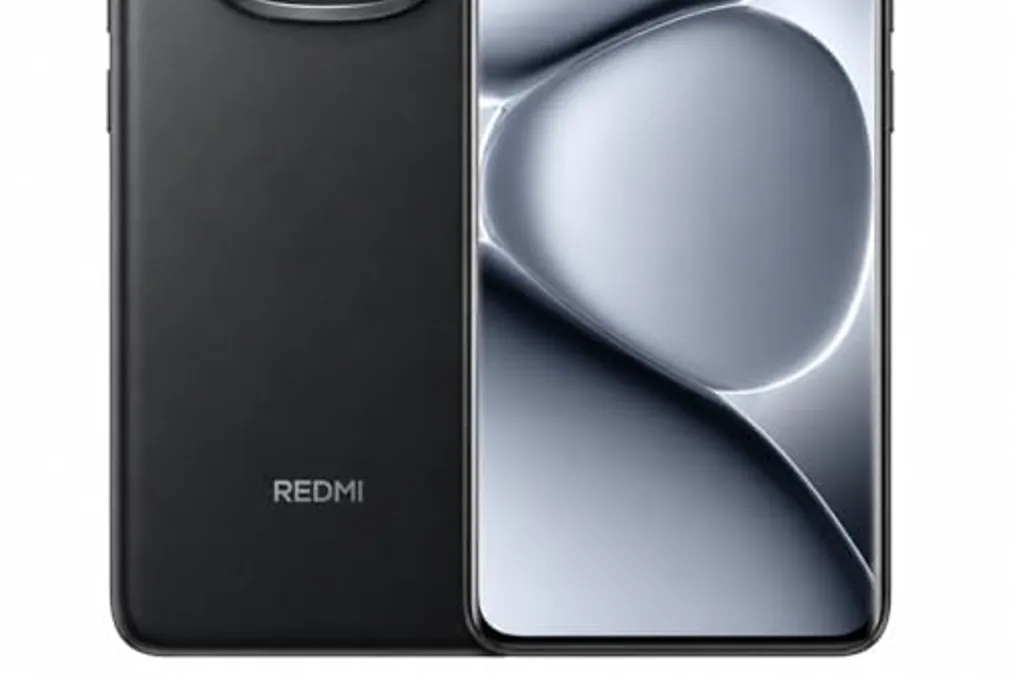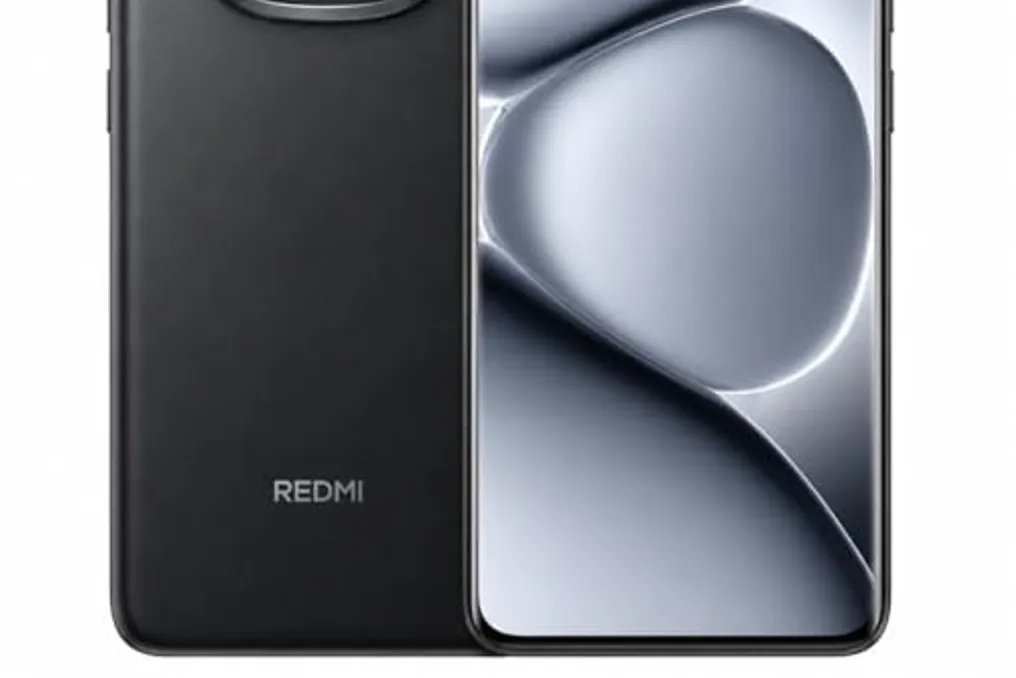
The Brazilian mobile phone market has shown a decline this year, but Xiaomi was one of the manufacturers most impacted by this contraction. According to data provided by the consultancy Counterpoint Research, the company's shipments in Brazil decreased by 34% in the first half, compared to the same period in 2025.
Despite this significant reduction, Xiaomi managed to maintain third place among the brands that shipped the most phones to the country's stores. This performance contrasts with that of competitors like Samsung and Apple, who managed to increase their sales volumes during the same time frame. Globally, smartphone shipments in Brazil registered a total drop of 11% in the first half.
Difficulties in the global component supply chain, particularly in the memory chip sector, exert strong pressure on brands and lines focused on offering good cost-benefit. Such products are more susceptible to price adjustments and operate with considerably smaller profit margins.
This 34% drop positions Xiaomi as the manufacturer most sensitive to the slowdown in the Brazilian market, a direct result of higher costs and supply problems affecting the cell phone industry.
Infinix, which holds fifth place in the ranking, is another affected Asian company, with a 24% drop compared to the previous year. This company belongs to the same group as Tecno and Itel, which also operate in the Brazilian territory.
The consultancy points out that the growth of other Chinese brands, such as Honor, Oppo, and Realme, along with Jovi, a brand of Vivo Mobile, intensified competition in the market niches explored by Xiaomi. These companies have adopted strategies such as local production or assembly, aggressive promotions, and partnerships to reduce expenses and gain a larger market share. However, the combined participation of these brands decreased from 26% in the first half of 2025 to 20% in the first half of 2026.
While Chinese brands lose ground among Brazilian consumers, established brands have regained strength. Samsung and Motorola maintained a leading position, responsible for 73% of all shipments in the first half. The South Korean company, despite recording a loss in its cell phone division, achieved a 10% growth compared to the same period in 2025, highlighting the Galaxy A07 4G model, which alone accounts for 8.3% of semi-annual shipments.
Motorola showed more modest growth, only 1% compared to the first half of the previous year. On the other hand, Apple demonstrated progress in recent months; its shipments grew 19% year-on-year, raising its share from 6% to 7%, equal to Xiaomi's.
The report emphasizes that most of the smartphones sold in Brazil are still concentrated in the most affordable price ranges. Devices costing up to US$ 249 (approximately R$ 1250) accounted for 78% of shipments. However, devices priced below US$ 99 (about R$ 550) began to lose relevance in the market.
Tina Lu, a consultant analyst, explains that this change reflects consumers' willingness to invest in superior specifications and the greater availability of models within this mid-range price bracket.