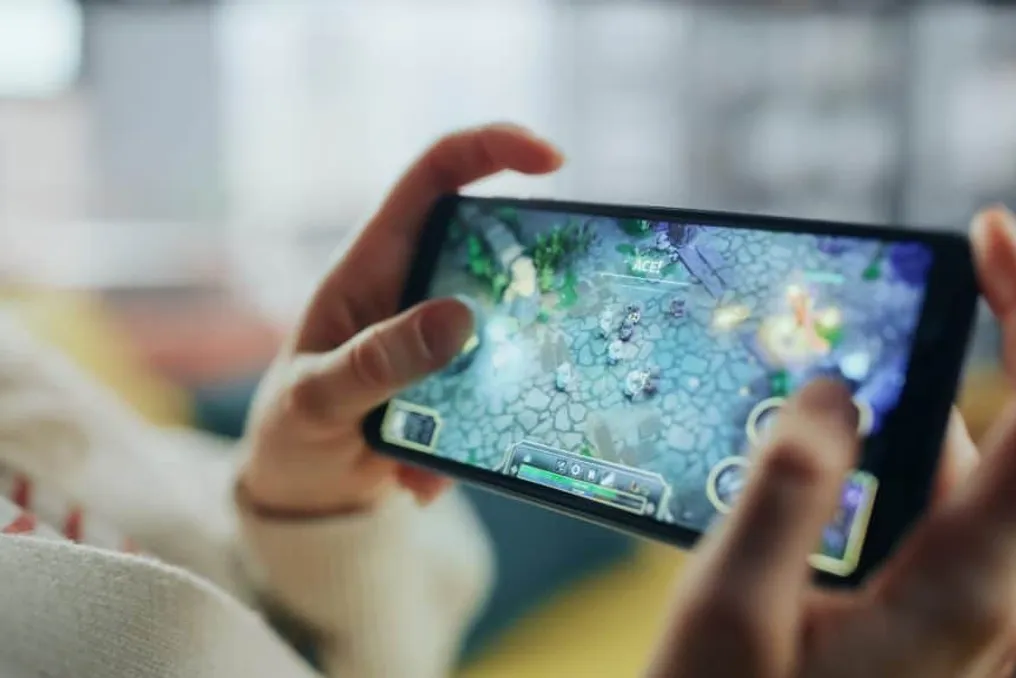
Gaming sector records major mergers and acquisitions in 2026 despite mobile market difficulties
Read more
Olhar Digital
olhardigital.com.br

Gaming sector records major mergers and acquisitions in 2026 despite mobile market difficulties

In 2026, the gaming industry witnessed significant mergers and acquisitions, even while facing challenges in the mobile sector. On August 4, 2026, the Saudi Arabian Public Investment Fund finalized the acquisition of EA for US$ 55 billion, establishing the largest LBO (Leveraged Buyout) in history. Five months before this event, the same fund had invested US$ 6 billion in Moonton, owner of MLBB.

During the period between the two transactions, the mobile gaming market experienced a 12% retraction in downloads and a 2% decrease in revenue generated by players. Despite the sharp market decline, the amounts paid were high, indicating discrepancies in indicators.

According to surveys by Drake Star, the 2026 figures are notable. In the first quarter, 51 M&A deals were recorded, totaling over US$ 100 billion in disclosed value. Although the mobile segment was a driver of this movement, the most prominent deal was the union between Paramount and Warner Bros. Discovery – which includes Warner Bros. Games – and the purchase of Moonton by Savvy Games, valued at US$ 6 billion.

Other significant acquisitions included Scopely's purchase of majority stakes in Loom Games (valued at over US$ 1 billion), and NCSOFT's acquisition of JustPlay (valued at US$ 202 million). The acquisition of Bluetile Games by Nazara, the purchase of a stake in NetEase by Mattel in Mattel163, and the acquisition of Budge Studios by Haveli were also noteworthy.

In addition to acquisitions, private financing reached substantial figures, totaling 106 deals with an aggregate value of US$ 785 million in the first quarter. In the second quarter, Drake Star reported positive results, with 51 transactions maintaining a 'healthy' level, totaling US$ 1.4 billion. These transactions mainly involved PC/console and mobile game studios, as well as small and medium-sized enterprises.

Among the second-quarter deals, the acquisition of Playstack by IMC (a TPG investment vehicle), the repurchase of management of CCP Games by Pearl Abyss, the purchase of Hipster Whale by Atari, and the acquisition of Metacore by Supercell stand out. Private financing in this quarter exceeded US$ 2.5 billion, making it the strongest in the last 12 months and the second largest in the last three years.

However, these totals still do not surpass the volume of 2025, which registered US$ 161 billion in disclosed value. This amount was driven by the US$ 55 billion LBO of EA and the US$ 82.7 billion offer from Netflix to Warner. The difference lies in the counting methodology: both 2025 deals were recorded on the announcement date. The EA LBO, announced on September 29, 2025, and the Netflix offer to Warner, were included in that year's accounting.

Although the EA money was only transferred in August 2026, after approval by the US foreign investment committees and the European Commission on September 21, Paramount sealed a deal with the 12 states contesting the purchase of Warner Bros. Discovery. This allowed the US$ 110 billion deal to be concluded before the end of the month. If both operations are accounted for by the closing date, 2026 concentrates the largest LBO and the biggest merger in Hollywood history involving game studios. Despite this, in terms of announced value, 2025 remains higher, but in terms of effectively paid value, 2026 has no historical precedent.

Even with numerous acquisitions in the mobile sector, the first half of 2026 recorded US$ 40 billion in player spending, representing a 2% drop compared to the previous year. The situation is worsened by a 12% drop in downloads, totaling 24 billion. Additionally, the first quarter showed 11.9 billion game installations, the worst first-quarter record since 2019, according to Sensor Tower.

The report also points to advertising as an increasingly vital revenue source for mobile game publishers, especially due to reduced consumer spending. According to the company, developers are prioritizing hybrid monetization strategies, combining in-app purchases with advertising to compensate for the audience slowdown.

It is crucial to note that Sensor Tower only considers data from Apple's App Store and Google Play, excluding D2C (Direct-to-Consumer) data, alternative Android stores in China, and ad revenue. Incorporating this data changes the numbers significantly, as evidenced by the Newzoo survey. The latter points to a value of US$ 113.3 billion for 2025, contrasting with Sensor Tower's US$ 81.75 billion, and projects US$ 121.1 billion for 2026.

The paradox is explained by the increase in customer acquisition cost. The cost per install rose by 30% in 2025, reaching US$ 0.56, while downloads continued to fall for the second consecutive year. Faced with a restricted funnel and expensive acquisitions, it becomes more advantageous to acquire a studio already with a base of paying users than to compete for new users. Furthermore, the profile of the buyers is relevant: sovereign funds operate with a long-term horizon, without the pressure of immediate quarterly results. Thus, mobile has not stopped generating revenue, but rather has ceased to show growth, transforming it into an opportunity asset.
Similar stories

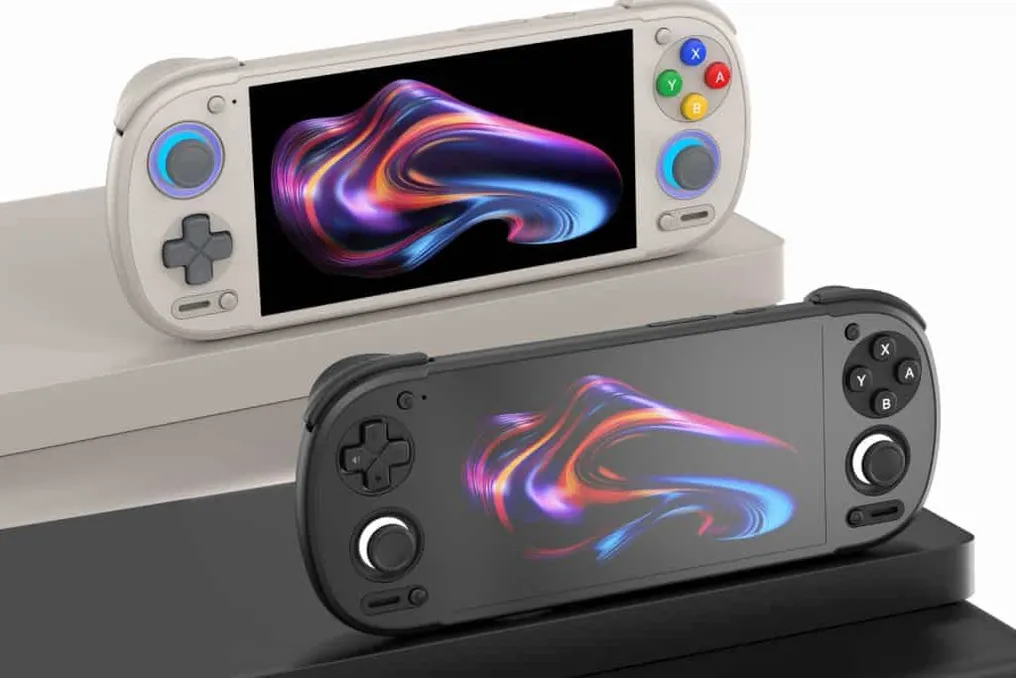
Chinese portable consoles expand presence in the global gaming market
Read more
olhardigital.com.br

Chinese portable consoles expand presence in the global gaming market

According to Global Market Insights, the portable gaming device market is projected to reach US$ 12.9 billion in 2025 and grow to US$ 16.6 billion by 2035, corresponding to a Compound Annual Growth Rate (CAGR) of 3.3%.

Although Nintendo maintains the lead with over 26.7% market share, it is not alone; the five largest companies—Nintendo, Valve, GPD, AYANEO, and Anbernic—together account for 78.6% of the market in 2025. A notable fact is that three of these five largest global handheld manufacturers are from China.

Companies such as GPD, AYANEO, and Anbernic compete directly with established giants like Nintendo and Valve. Much of this advancement is due to China being the main manufacturing hub for this segment, housing brands like Anbernic, Powkiddy, GPD, BittBoy, Miyoo, and GoRetroid, in addition to having a vast domestic consumer market.

Another driving factor is the business model adopted by these manufacturers, characterized by extremely short release cycles, releasing four or five new devices annually. Additionally, direct sales through platforms like AliExpress and Shopee eliminate the need for traditional retail, resulting in more accessible prices and offering a wide variety of products for diverse audiences.

Chinese portable consoles operate in two distinct segments. On one hand, there are 'premium consoles,' which are portable PCs aimed at conventional gaming, including AAA titles, with brands such as AYANEO, GPD, and OneXPlayer. These models range from US$ 800 to over US$ 3,000, depending on the performance level.

On the other hand, there are retro handhelds, exemplified by models from Anbernic, Powkiddy, Miyoo, TrimUI, and Retroid. These are significantly more affordable, costing between US$ 40 for entry-level models and reaching US$ 400 for top-of-the-line versions, designed to emulate older games such as SNES, Megadrive, PlayStation, Nintendo 64, and PSP on the more advanced devices.

Data compiled by IconEra indicates that the retro handheld console market was worth US$ 3.8 billion in 2025, up from US$ 3.12 billion the previous year, representing an increase of approximately 21% in one year. Projections for this niche are even more expressive: it is expected to reach US$ 4.18 billion in 2026 and could reach US$ 8.5 billion by 2033, configuring a CAGR of 10% per year, surpassing the annual growth of 3% to 5% of traditional consoles.

However, the general category of portable PCs—which includes Steam Deck, ROG Ally, Legion Go, and MSI Claw—accumulated less than 6 million units, and this segment suffered a 50% retraction between 2023 and 2024, falling from 2.87 million to 1.49 million units. In contrast, Nintendo sold 19.86 million Switch 2 units by March 31, 2026, less than ten months after launch.

Thus, the 'invasion' is confirmed in terms of brand quantity and variety, and not necessarily in sales volume. On April 21, 2025, Anbernic suspended shipments from China to the United States due to American tariff policy, which reached 145%, a move replicated by Retroid and Ayn. Similarly, in Brazil, taxes stand between 92% and 100%, added to the exchange rate, drastically increasing console costs (an AYN Odin 2 costs at least R$ 2,200, and top models cost much more).

Another recurring challenge is the issue of ROMs, which constitutes piracy in many regions. This was evidenced in the case of Italian YouTuber Once Were Nerd, whose residence was raided by the Guardia di Finanza in April 2025, resulting in the seizure of over 30 consoles from the brands Anbernic, PowKiddy, and TrimUI, for promoting illegal material. Furthermore, several manufacturers removed Nintendo games from their pre-loaded libraries following pressure from the company itself.

Despite these obstacles, in August 2026, the SteamOS 3.8.25 beta incorporated updated support for OneXPlayer Apex, OneXPlayer F1, Konkr FIT, and AYANEO Pocket S2. This update demonstrates Valve's transformation, which has become the operating system provider for Chinese consoles, signaling that despite the challenges, Chinese consoles are consolidating their position in the market.

More than 50 games to be discontinued in 2026; California law seeks to protect games from discontinuation
Read more
olhardigital.com.br

More than 50 games to be discontinued in 2026; California law seeks to protect games from discontinuation

In January, the servers for the game Anthem were shut down, resulting in a loss of access for players who had purchased the title, given that it does not have an offline mode. This incident adds to a series of recent cases where various other games have become unplayable, often without prior notice beyond announcements on Discord or notes on the Steam page.

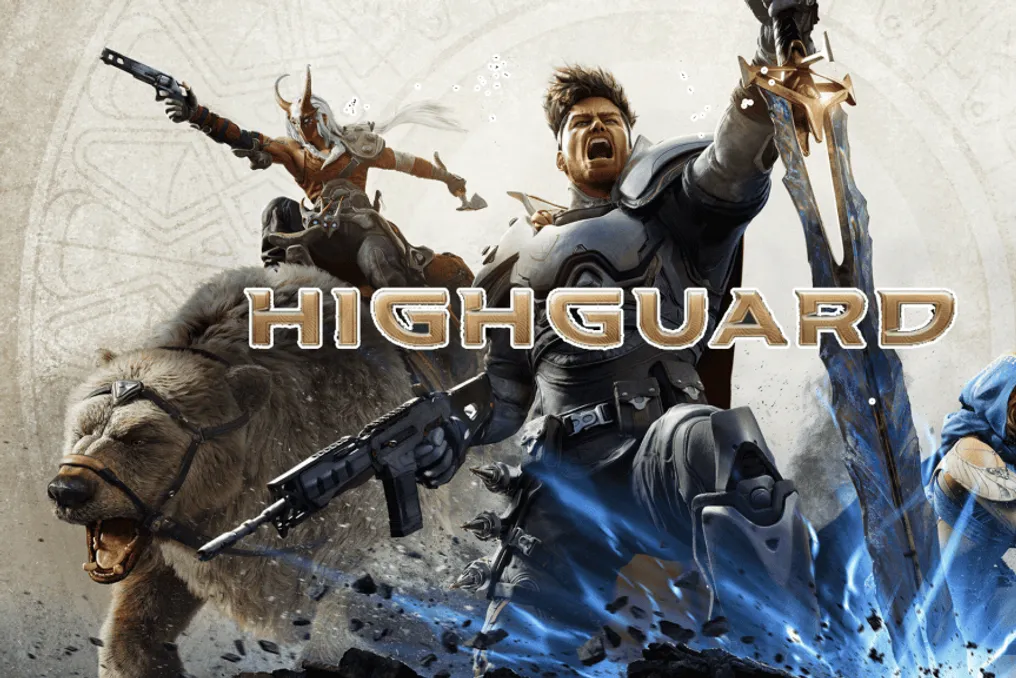
A recent survey points to the discontinuation of several notorious titles. Among them, Anthem, which caused surprise, and Highguard, which was a big expectation at The Game Awards 2025 but had its lifespan limited to only 45 days. Additionally, a significant portion of games for PlayStation 3 and 4, Xbox 360 and One had their servers shut down, either due to lack of hardware support or budget cuts.

So far, about 50 games have been discontinued, including those with offline functionalities, and have been removed from platforms such as Steam, PS Store, and Microsoft Store. Other titles, such as Granblue Fantasy: Versus, WWE 2K24, and NBA Live 19, have lost support for their online modes, while Project CARS 3 and others have been removed from digital stores, although their offline and local multiplayer modes remain operational.

More discontinuations are expected by the end of the year, covering titles from major developers. For example, Destiny 2, announced on May 21, will no longer receive updates because the studio Bungie is focusing efforts on a future, yet-to-be-revealed launch, which is not Destiny 3. Although Bungie assures that there are no plans for a definitive server shutdown, the number of discontinued titles suggests that the end of Destiny 2 is only a matter of time.

The bill known as Protect Our Games Act (AB 1921) is being processed in the state of California, USA. This legislation proposes to require video game companies to ensure that purchased games remain playable even after the termination of online services. Companies would have two options: provide an update that allows continuous use of the game without dependence on the original servers, or fully reimburse the buyers.

This initiative is a direct reflection of the global movement Stop Killing Games, which advocates for the preservation of games after their shutdown. The bill has already been voted on in the California Assembly and proceeded to deliberation in the state Senate. However, the path to final approval is still long.

A setback occurred in the state Senate, as despite being approved by the California Assembly in May, the bill failed in a crucial committee vote on June 29, receiving only 4 votes in favor, 3 against, and 4 abstentions. Thus, the text did not reach the necessary majority, preventing further voting before 2027. Furthermore, the proposed law would only apply to games released from 2027 onwards, leaving many current titles vulnerable to extinction.

Popular