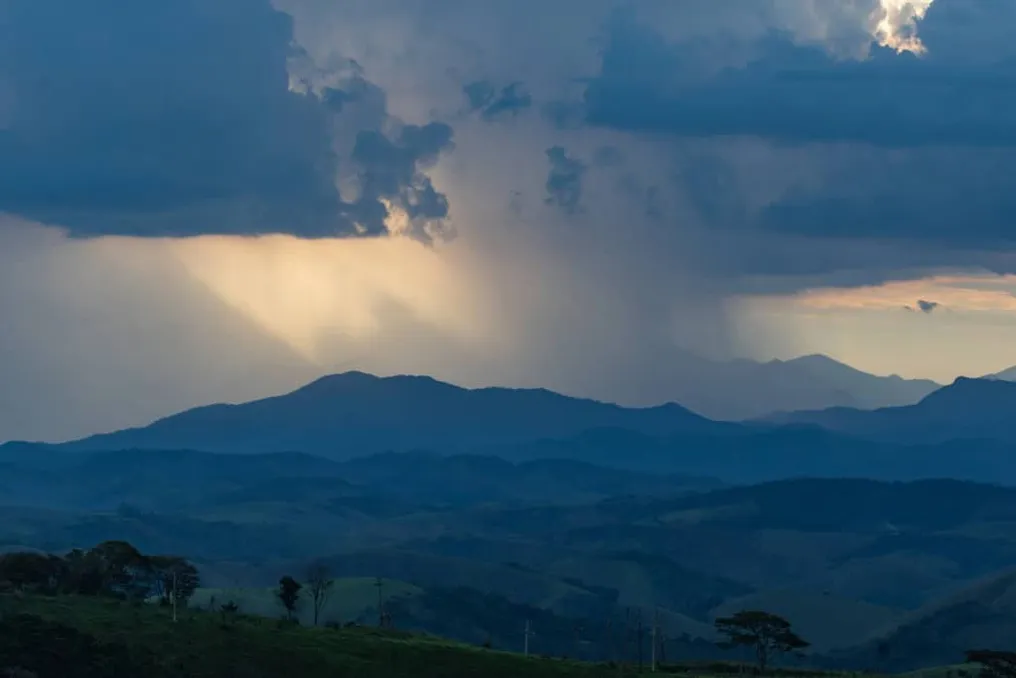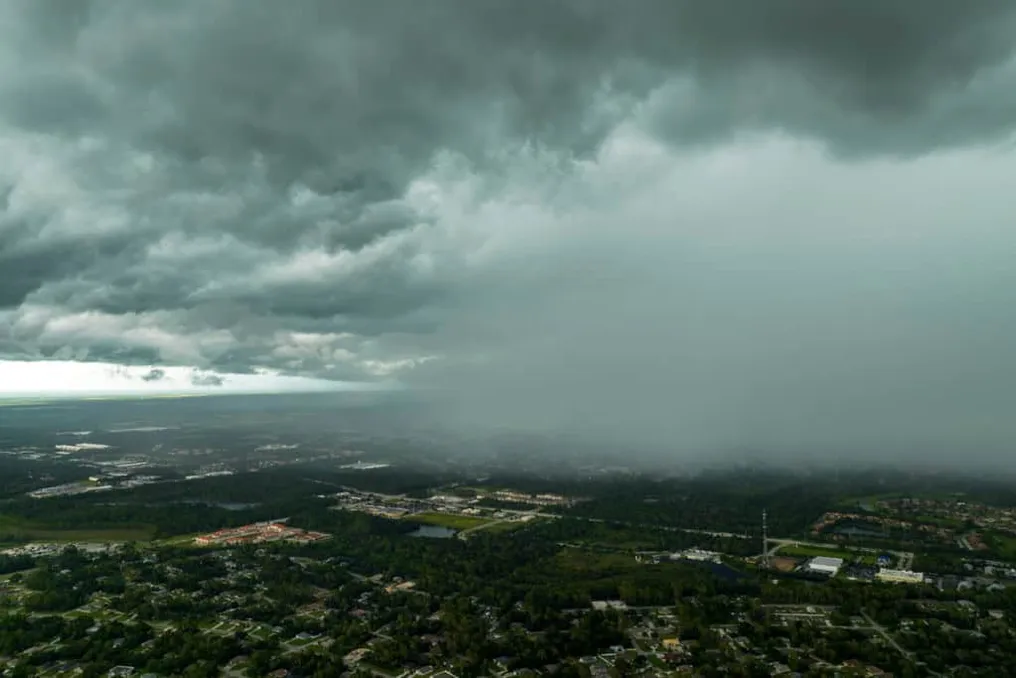
Spring officially begins in Brazil this Tuesday, the 22nd, at 9:05 PM, according to Brasília time. This new season is expected to be characterized by a progressive increase in both temperatures and precipitation across much of the national territory. According to the National Institute of Meteorology (INMET), this period will last until December 21st at 6:50 PM.
The season acts as a transition phase between dry and rainy periods, especially in the central area of Brazil. During this time, humidity from the Amazon gains more strength, aiding the advance of rains in the Midwest, Southeast, and parts of the south-central region of the North.
However, the trend is different in the north of the Northeast, where lower rainfall is predicted. INMET specifically highlights northern Piauí and northwestern Ceará, areas where climatological totals fall below 100 millimeters.
The arrival of spring may also trigger the first events of the South Atlantic Convergence Zone (ZCAS), a system linked to rains that affect the Southeast, Midwest, Acre, and Rondônia.
In the South Region, INMET signals the possibility of Mesoscale Convective Complex (MCC) episodes. Such systems are frequently associated with certain climatic conditions.
The gradual increase in rainfall in various parts of the country coincides with the start of planting the most important summer crops. With the end of winter, temperatures begin to exceed the usual levels of the previous season. Climatology released by INMET indicates that averages may exceed 28°C in the North and Northeast regions, as well as in isolated areas of the interior of the country.
The continuous warming has the potential to intensify heatwaves and raise thermal discomfort. The institute also warns of an increase in evapotranspiration, which impacts soil moisture, in addition to creating conditions favorable for the accelerated formation of strong storms due to the contrast between hot air and the passage of cold fronts.
Spring 2026 occurs in the context of El Niño formation, a phenomenon that INMET has been monitoring throughout the year. In June, the institute had reported that the phenomenon's conditions were established in the Equatorial Pacific, with projections of strengthening in the following months. Later, in September, INMET reiterated the forecast of a potentially very intense El Niño for the quarter between September, October, and November, reinforcing the importance of monitoring climatic conditions during the season.